BailNow.in News Snacks
The Delhi court has granted bail to 17 students arrested in a protest case against the Chief Election Commissioner, emphasizing their youth and non-habitual offender status while imposing strict conditions on their bail.
- By
- BailNow Research Team
- Published
- Reading time
- 3 min read
Delhi Court Grants Bail to 17 Students in Protest Case Against Election Commissioner
Judge Notes Allegations Are Serious, but Students Are Not Habitual Offenders
Bail Granted with Strict Conditions to Safeguard Investigation and Public Order
By Legal Reporter
New Delhi: October 07, 2026:
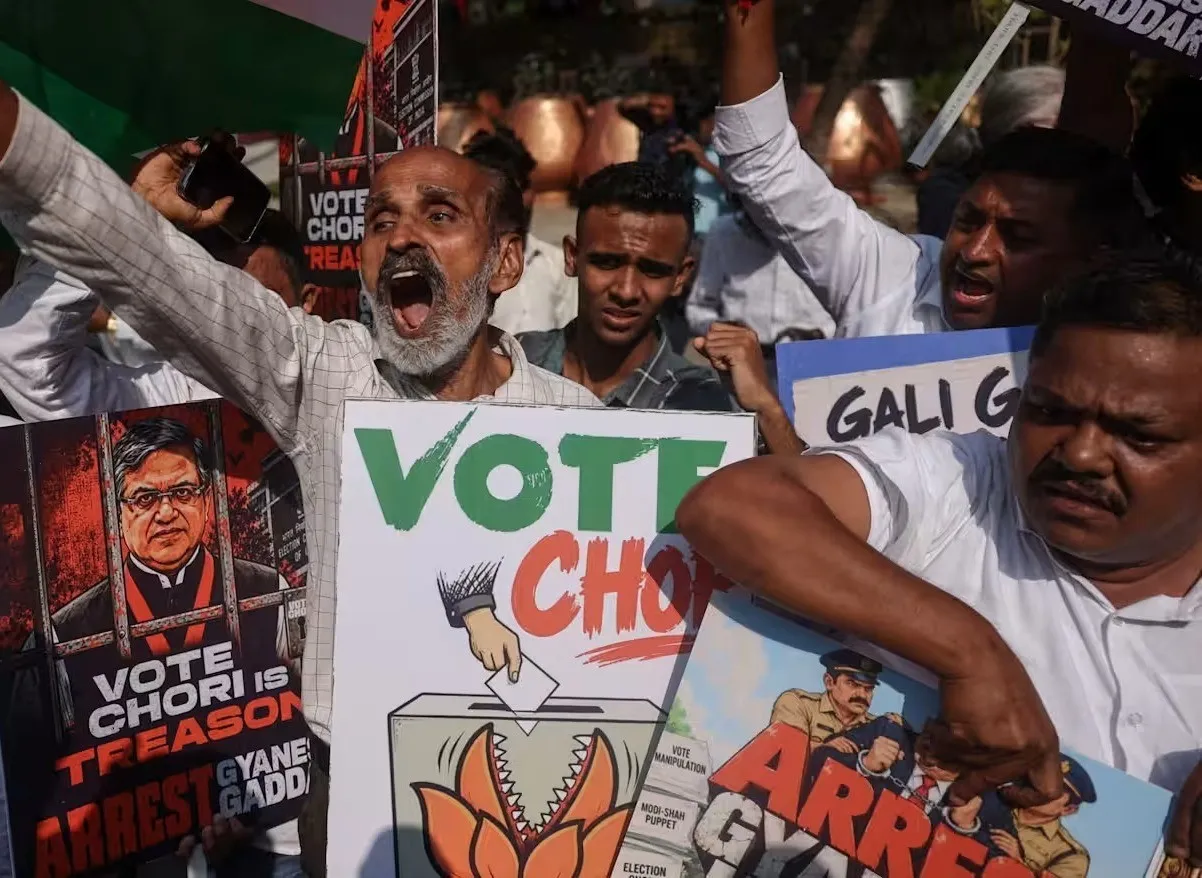
A Delhi court has granted bail to 17 students arrested during a protest against Chief Election Commissioner Gyanesh Kumar, ruling that while the allegations were “serious,” the students were not “habitual offenders.” The court emphasized their young age and the potential harm to their academic careers if kept in custody.
Case Background
- Incident: 17 students were arrested during a protest in Delhi against Chief Election Commissioner Gyanesh Kumar.
- Charges: Delhi Police alleged unlawful assembly, obstruction of public space, manhandling of police personnel, and damage to public property.
- Custody Request: Investigating officers sought 14 days’ judicial custody, citing risks of further offences and interference with investigation.
Court’s Observations
- Judge: Judicial Magistrate First Class Animesh Kumar, Patiala House Court.
- Key Point: Students are of young age and not habitual offenders.
- Reasoning: Sending them to judicial custody would harm their career prospects.
- Orders: Bail granted on personal bond with surety, subject to strict conditions.
Bail Conditions
- Furnish personal bond with one surety.
- Provide correct permanent and residential addresses and active mobile numbers.
- Must appear regularly before the court on hearing dates.
- Cannot leave the country without prior permission.
- Must not induce, threaten, or influence witnesses or tamper with evidence.
- Any violation could lead to cancellation of bail.
Additional Directions
- Jail authorities instructed to provide medical treatment to injured students.
- Court sought a report from the DCP on allegations of custodial torture by two accused.
Implications
- The ruling balances students’ rights and academic future with the seriousness of charges.
- Highlights judiciary’s approach of distinguishing between serious offences and habitual criminality.
- Sets precedent for handling student protests under law while ensuring accountability.
FAQs
Q1: Why were the students arrested?
They were accused of unlawful assembly, obstructing public space, manhandling police, and damaging property.
Q2: Did the court dismiss the charges?
No. The court acknowledged the seriousness of allegations but granted bail, stressing the students are not habitual offenders.
Q3: What conditions must the students follow?
They must furnish bonds, provide accurate contact details, attend hearings, avoid influencing witnesses, and not leave India without permission.
Q4: Can their bail be cancelled?
Yes. If they violate bail conditions, the investigating agency can seek cancellation.
Q5: Did the court address custodial torture claims?
Yes. The court asked the DCP to submit a report on allegations of custodial torture by two accused students.
Related articles
 Regular Bail
Unlocking Liberty: The Definitive Guide to Essential Documents, Legal Frameworks, and Procedures for Regular Bail Applications in the Sessions Court
This guide outlines essential documents and procedures required for regular bail applications in the Sessions Court, emphasizing compliance and judicial practices under the BNSS.
12 min read
 Legal Research
Navigating the Dark: A Comprehensive Legal Guide on How to Secure Bail If Arrested by Police at Night
This comprehensive guide outlines your legal rights and steps to secure bail if arrested by police at night, including procedures for both bailable and non-bailable offenses.
10 min read