News Snacks
This article analyzes the Madhya Pradesh High Court's landmark ruling in the Dewas firecracker tragedy, focusing on corporate liability and individual responsibility. The court's nuanced approach highlights the balance between personal liberty and public safety.
- By
- BailNow Research Team
- Published
- Reading time
- 5 min read
On this page
Legal Liability vs. Managerial Title: Analyzing the Madhya Pradesh High Court's Landmark Bail Decision in the Dewas Firecracker Tragedy
Examining the Judicial Distinction Between Corporate Governance and Direct Criminal Culpability
Statutory Deficits, Industrial Safety Lapses, and the Balance Between Personal Liberty and Public Gravity
By Legal Reporter
New Delhi: November 11, 2026:
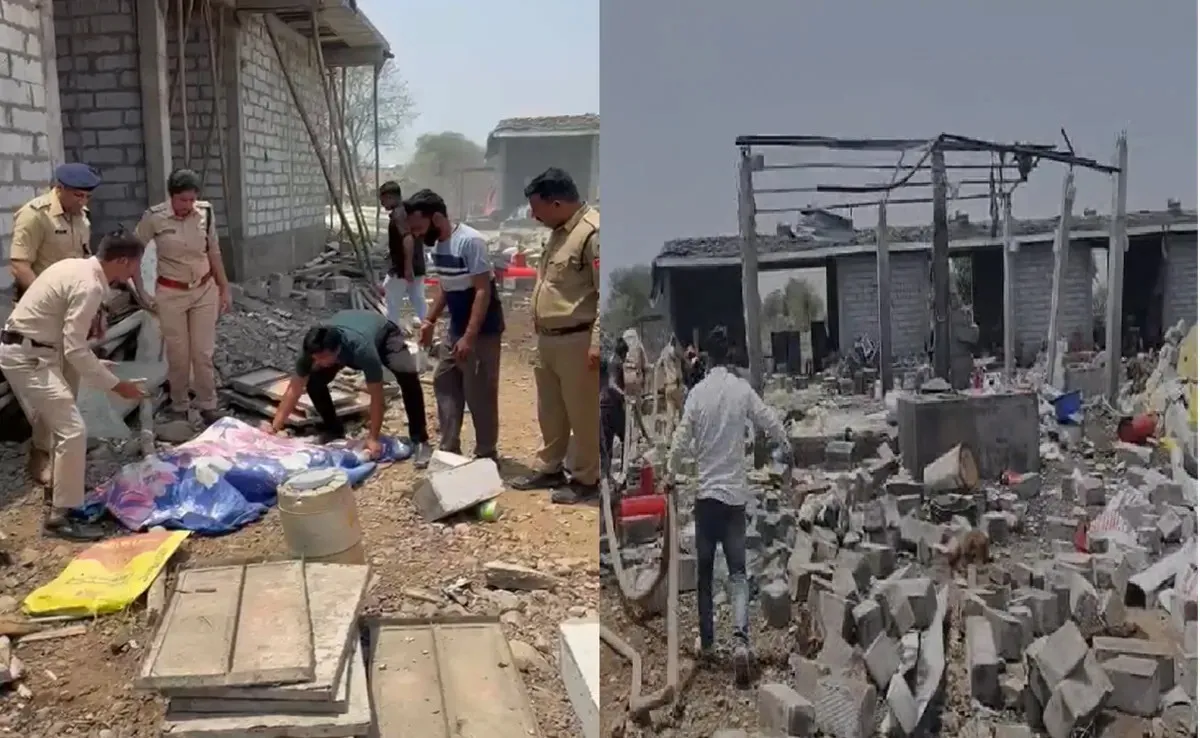
The Madhya Pradesh High Court’s recent ruling in Mukesh Vij v. State of MP has sparked significant legal discourse surrounding the boundaries of criminal liability for corporate owners and key managers during industrial disasters. By granting bail to the appellants—who were linked as financial controllers and operators of an illegal fireworks unit in Dewas where a tragic blast claimed 12 lives—the bench headed by Justice Alok Awasthi underscored a fundamental tenet of criminal jurisprudence: corporate status alone does not automatically equate to direct criminal intent or culpable homicide.
Analytical Overview of the Case and Judicial Reasoning
The core of the legal controversy arose from a devastating explosion on May 14, 2026, at an unauthorised and inadequately regulated fireworks manufacturing unit in the Dewas district of Madhya Pradesh. The incident resulted in the immediate deaths of 12 labourers and caused severe injuries to 19 others. Subsequent investigations revealed glaring statutory violations, including the storage of explosives exceeding permitted thresholds, complete disregard for mandatory fire safety protocols, and the absence of requisite No Objection Certificates (NOCs).
The prosecution vehemently opposed the bail applications, arguing that the sheer scale, economic continuity, and principal financial control exercised by the appellants—Mukesh Vij as the financial controller and partner, and Anil Malviya as the unit operator—established corporate knowledge, abetment, and a shared common intention under Section 105 of the Bharatiya Nyaya Sanhita (BNS) (culpable homicide not amounting to murder).
However, the High Court adopted a nuanced analytical approach. While acknowledging the immense gravity of the tragedy and the profound suffering inflicted upon the victims' families, the court separated administrative negligence from direct actus reus (guilty act). The bench noted that the disaster, although aggravated by gross negligence—such as manufacturing explosives under tin-roofed sheds during peak summer temperatures—was not the outcome of a deliberate, pre-meditated act aimed at causing death by any individual. Crucially, the court emphasized:
"Mere designation as owner/financer or manager/partner/owner cannot, in every circumstance, automatically establish criminal culpability. The prosecution will have to establish the individual responsibility of each appellant in accordance with the ingredients of the offence alleged."
Balancing Personal Liberty with Industrial Accountability
The ruling navigates the delicate equilibrium between upholding public safety standards and protecting the constitutional right to personal liberty under Article 21 of the Constitution. Drawing on established legal principles, including the Supreme Court's directives in Kumer Singh v. State of Rajasthan, the High Court assessed that with the investigation concluded and chargesheets filed, continued pre-trial incarceration could no longer be justified solely on the ground of societal outrage or the severity of the charges, absent any demonstrated investigative necessity.
At the same time, the judiciary incorporated stringent riders into the relief order. The grant of bail does not grant immunity from trial, nor does it allow the resumption of hazardous commercial operations. The court explicitly ruled that the order must not be construed as permission to restart any activity involving the storage, handling, or manufacture of explosives, binding the applicants to strict statutory compliance.
Frequently Asked Questions (FAQs)
1. What was the primary legal issue addressed by the Madhya Pradesh High Court in this case?
The central legal question was whether a person's administrative title, ownership stake, or financial control over an industrial facility automatically establishes direct criminal culpability and intent (culpable homicide) in the event of an accidental industrial disaster.
2. What did the court rule regarding ownership and criminal liability?
The High Court held that mere designation as an owner, partner, financier, or manager does not automatically equate to criminal liability. The prosecution bears the strict legal burden of proving the individual responsibility and specific acts of each accused that directly correlate with the alleged offence.
3. Under which legal provisions were the accused charged?
The accused were facing charges related to culpable homicide not amounting to murder under Section 105 of the Bharatiya Nyaya Sanhita (BNS), alongside violations concerning the unregulated storage and handling of explosives.
4. Does the grant of bail permit the factory owners to resume operations?
No. The High Court explicitly clarified that granting bail does not act as permission to resume any manufacturing, storage, or handling of explosive materials, and the accused remain bound by all regulatory restrictions.
Related articles
 Bail Research
News Snacks
This article discusses a case where local bar boycotts prevented the execution of a Supreme Court bail order, highlighting the ramifications for justice and individual rights.
4 min read
 Bail Research
Supreme Court Ruling: Criminal Antecedents Cannot Favor Bail Applications, Prior Acquittals Demand Higher Caution
The Supreme Court's recent ruling clarifies that prior acquittals and bail orders cannot favor bail applications, demanding a more cautious judicial approach for repeat offenders.
6 min read