Legal Scrutiny and Digital Dissent: Analyzing the Madras High Court’s Anticipatory Bail Ruling on YouTuber "Saattai" Duraimurugan
This article analyzes the Madras High Court's decision to grant anticipatory bail to YouTuber Saattai Duraimurugan, highlighting the balance between free expression and legal constraints in the realm of political commentary.
- By
- BailNow Research Team
- Published
- Reading time
- 4 min read
Balancing Free Expression and Defamatory Content in the Digital Age
Jurisdictional Precedents on Custodial Interrogation for Online Political Commentary
By Legal Reporter
New Delhi: November 12, 2026
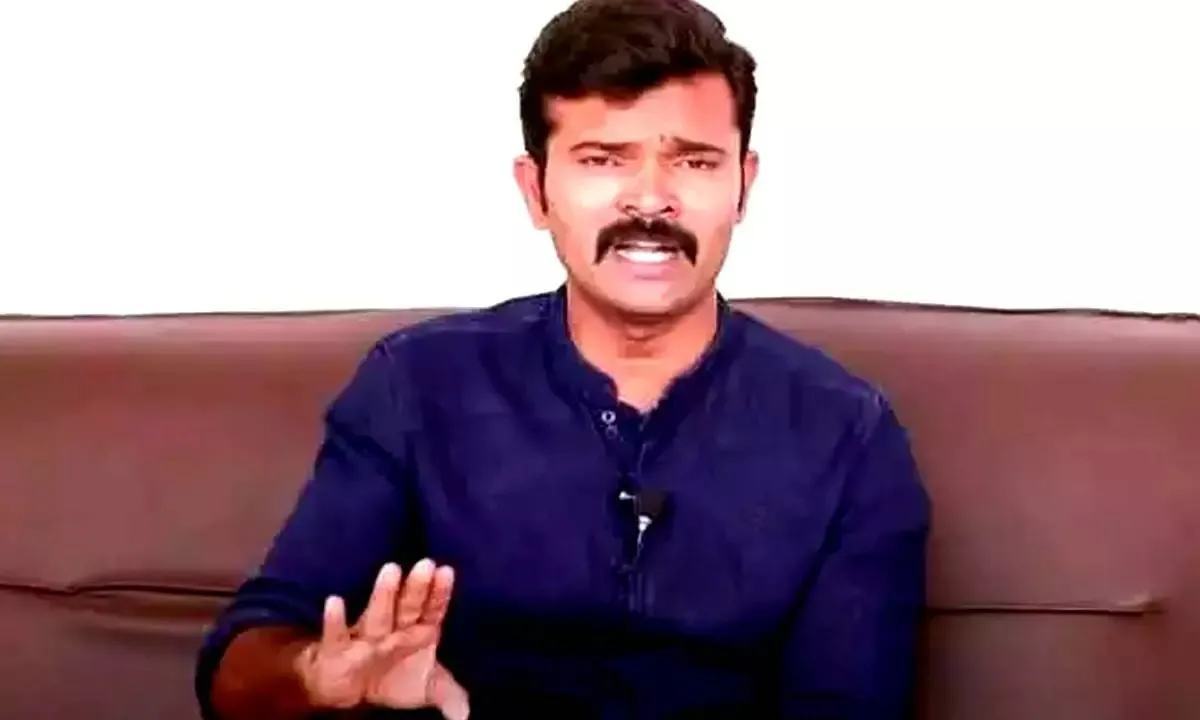
The intersection of digital media, political dissent, and criminal jurisprudence in India has once again come under the judicial spotlight. The Madras High Court’s recent decision to grant anticipatory bail to NTK office-bearer and YouTuber A. Duraimurugan, popularly known as 'Saattai' Duraimurugan, provides a critical window into how higher judiciary balances freedom of expression with allegations of defamatory political commentary. Originating from a complaint filed by a political cadre over a video targeting high-ranking state figures, this legal development raises fundamental questions about the thresholds of political criticism, state machinery, and personal liberty.
Case Background and Judicial Reasoning
The legal proceedings were set in motion when Chennai police's cybercrime wing registered a First Information Report (FIR) following a complaint by A. Christopher, a TVK functionary. The grievance centered on a YouTube upload from September 30, which allegedly contained unsubstantiated accusations against Chief Minister C. Joseph Vijay and Minister Aadhav Arjuna, criticizing the administration's performance since assuming power.
When the matter reached Justice N. Ramesh of the Madras High Court, the core legal contention hinged on whether the petitioner’s continued freedom posed a flight risk or obstructed an ongoing investigation. Representing the petitioner, counsel argued that the FIR was politically motivated, designed to stifle democratic dissent and curb protected speech under Article 19(1)(a) of the Constitution. Crucially, the defence emphasized that the content constituted constructive political criticism intended for public benefit and that custodial interrogation was unwarranted since the accused had already cooperated with police inquiries. The court’s acceptance of these arguments reinforces established legal principles surrounding pre-arrest bail.
Analytical Implications for Digital Journalism and Political Speech
This case underscores broader systemic tensions within India's digital landscape:
- The Threshold of Political Satire and Criticism: Courts increasingly grapple with distinguishing between criminal defamation/public mischief and robust political discourse. Constructive criticism of public figures is vital to a healthy democracy, yet drawing the line where critique crosses into actionable defamation remains legally complex.
- Misuse of the Criminal Process: Legal experts often debate the utility of criminal prosecution in resolving political disputes. Anticipatory bail acts as a statutory safeguard against arbitrary or retaliatory arrests, ensuring that the criminal justice system is not utilized as an instrument of political coercion.
- Cooperation Over Custody: The judiciary continues to signal that unless custodial interrogation yields distinct, irreplaceable evidence, pre-trial detention should not be used as a punitive measure, especially in speech-related offenses where the evidence resides primarily in digital archives.
Frequently Asked Questions (FAQs)
1. What is anticipatory bail, and why was it granted in this case?
Anticipatory bail is a legal direction issued under Section 482 of the Bharatiya Nagarik Suraksha Sanhita (BNSS)—formerly Section 438 of the CrPC—allowing a person to secure release on bail in the event of an arrest for a non-bailable offense. In this case, the Madras High Court granted it because the petitioner had cooperated with police inquiries, and the court determined that custodial interrogation was unnecessary.
2. What were the specific allegations against YouTuber 'Saattai' Duraimurugan?
The cybercrime wing registered the case based on a complaint alleging that a video uploaded on September 30 made unsubstantiated claims against Chief Minister C. Joseph Vijay and Minister Aadhav Arjuna, criticizing the state government's governance.
3. How does Indian law balance free speech with restrictions on political content?
Article 19(1)(a) guarantees freedom of speech and expression, but this right is subject to reasonable restrictions under Article 19(2) concerning public order, defamation, and sovereignty. Courts evaluate whether online commentary crosses into malicious falsehoods or remains protected political critique.
Related articles
 Anticipatory Bail
'Internet Wolves Operating in Packs': Delhi High Court Denies Anticipatory Bail to Man Accused of ₹1 Crore Cyber Fraud
The Delhi High Court recently denied anticipatory bail to an accused in a ₹1 crore cyber fraud case, emphasizing the necessity of custodial interrogation to dismantle organized digital crime. This ruling marks a pivotal shift in addressing complex financial scams.
6 min read
 Anticipatory Bail
News Snacks
The Punjab & Haryana High Court recently dismissed Air India's challenge to anticipatory bail in a major ticket fraud case, highlighting key legal precedents in economic offenses. This ruling underscores the importance of documentary evidence over custodial interrogation in such matters.
5 min read