News Snacks
A Pune court grants anticipatory bail to two accused in an RTI case, highlighting the lack of obstruction to public duty in presented video evidence. The ruling reinforces protections for RTI activists while emphasizing timely responses from officials.
- By
- BailNow Research Team
- Published
- Reading time
- 3 min read
Pune Court Grants Pre-Arrest Bail to Two Accused in RTI Case
Judge finds no obstruction of public duty in video evidence presented during hearing
Accused alleged delays in RTI responses; court directs cooperation with investigation
By Legal Reporter
New Delhi: October 16, 2026
A Pune sessions court has granted anticipatory bail to two men accused in an RTI-related case, ruling that the video evidence presented did not show obstruction of government work. The court emphasized that the footage instead highlighted delays by officials in providing information under the RTI Act.
Case Background
- Accused:
- Pratik Jitendra Waghmare (29), student from Khed
- Vishal alias Saki Sanjay Gaikwad (39), businessman from Wakad
- Incident Dates: August 12 and 21, 2026
- Location: Paud Tehsildar’s office, Pune
- Allegations:
- Snatching documents from officials
- Entering Nayab Tehsildar’s cabin
- Recording videos and threatening staff
- Circulating videos on social media
Court’s Observations
- Judge HM Bhosale examined the videos in open court.
- Found no act of obstruction against public servants.
- Footage showed accused questioning officials about delays in RTI responses.
- Court concluded custodial interrogation was not necessary.
Bail Conditions
- Each accused must execute a personal bond of ₹30,000 with one surety.
- Must cooperate with investigation.
- Strictly prohibited from threatening or influencing witnesses.
- Any breach could lead to cancellation of bail.
Implications
- For RTI Activists: Reinforces judicial protection when seeking accountability from officials.
- For Officials: Highlights importance of timely RTI responses to avoid confrontation.
- For Legal System: Demonstrates reliance on video evidence and judicial scrutiny in bail decisions.
FAQs
Q1: Why were the accused granted bail?
Because the court found the video evidence did not prove obstruction of government work.
Q2: What were they accused of?
Snatching documents, threatening officials, and circulating videos recorded inside the Paud tehsildar’s office.
Q3: What did the videos show?
The accused questioning officials about delays in providing RTI information, not obstructing their duties.
Q4: What conditions were imposed?
They must furnish bonds, cooperate with the investigation, and avoid influencing witnesses.
Q5: What does this mean for RTI cases?
It underscores the judiciary’s role in balancing citizen activism with protection of public servants, ensuring accountability without misuse of criminal charges.
Related articles
 Anticipatory Bail
'Internet Wolves Operating in Packs': Delhi High Court Denies Anticipatory Bail to Man Accused of ₹1 Crore Cyber Fraud
The Delhi High Court recently denied anticipatory bail to an accused in a ₹1 crore cyber fraud case, emphasizing the necessity of custodial interrogation to dismantle organized digital crime. This ruling marks a pivotal shift in addressing complex financial scams.
6 min read
 Anticipatory Bail
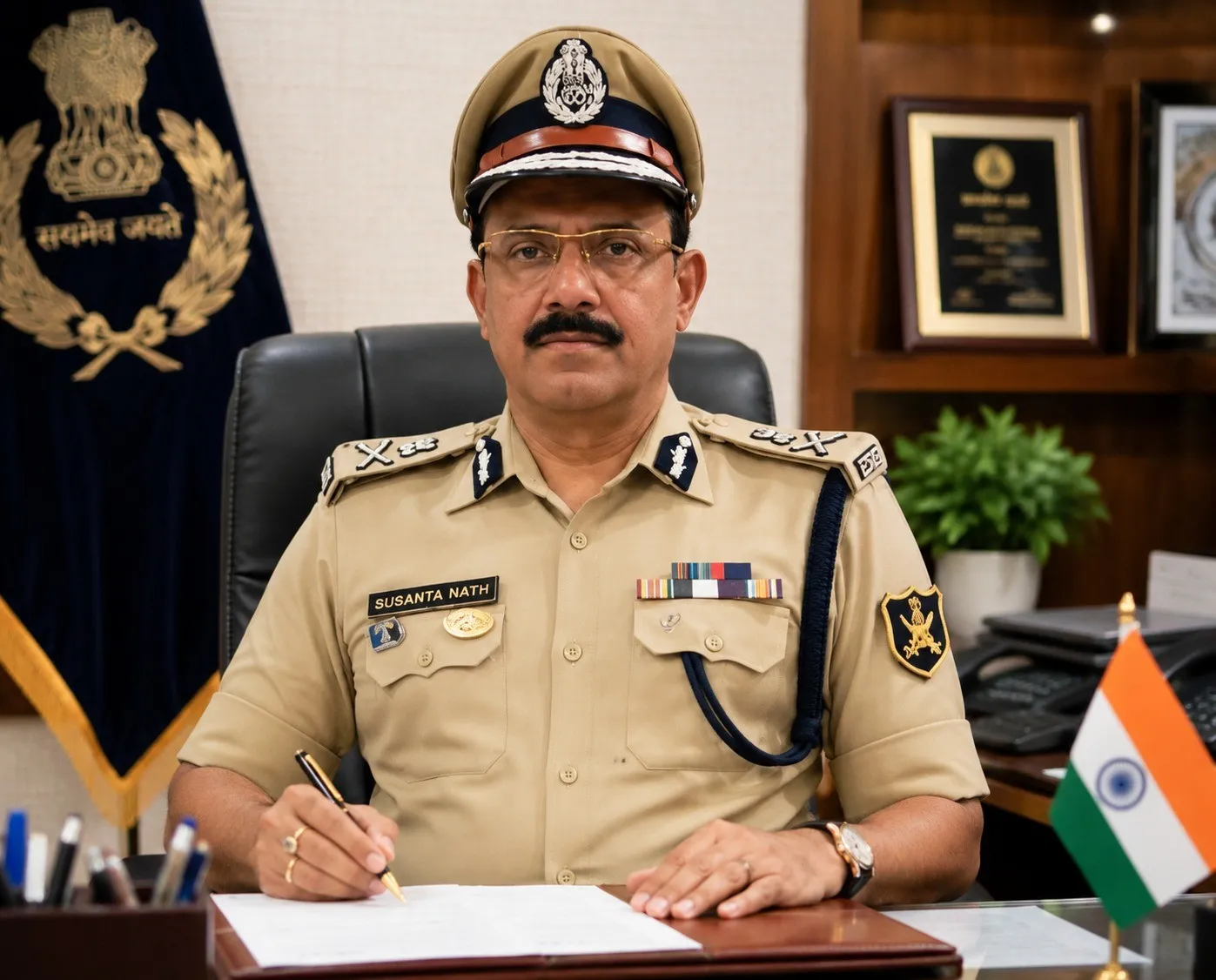
Legal Scrutiny Intensifies: Former Odisha Prisons DG Susant Kumar Nath Seeks Anticipatory Bail in High-Profile Harassment Case
Former Odisha Prisons DG Susant Kumar Nath seeks anticipatory bail from the Orissa High Court amidst serious harassment allegations, spotlighting institutional issues within police administration.
5 min read