Bilkis Bano Case: Supreme Court Suspends Life Sentences of Two Convicts, Grants Bail After 17 Years
The Supreme Court has granted bail to two convicts in the Bilkis Bano case after 17 years of imprisonment, highlighting key legal considerations in pending appeals.
- By
- BailNow Research Team
- Published
- Reading time
- 5 min read
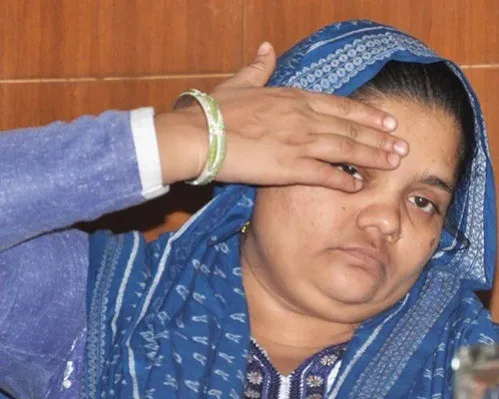
The Supreme Court granted bail to two of the 11 convicts: Bipinchand Kanaiyalal Joshi and Pradip Ramanlal Modhiya.
By Legal Reporter
NEW DELHI, November 17, 2026: The Supreme Court has suspended the life sentences of two convicts in the landmark 2002 Bilkis Bano gangrape and murder case, granting them interim bail pending the final disposal of their appeals. A division bench comprising Justices M.M. Sundresh and P.B. Varale passed the order on October 28, 2026—which was recently uploaded to the apex court’s portal—granting relief to Bipinchand Kanaiyalal Joshi and Pradip Ramanlal Modhiya.
In its brief order, the bench cited two primary considerations: both appellants have undergone more than 17 years of actual incarceration, and one of the convicts suffers from a "severe handicap". Despite opposition from Additional Solicitor General Raja Thakre and counsels representing the Gujarat and Maharashtra governments—who pointed to the heinous nature of the crimes—the court ruled that substantive questions of both fact and law remain to be adjudicated in their pending appeals against conviction. The convicts will be released from jail in Gujarat subject to terms and conditions fixed by the concerned trial court.
Judicial Rationale: Prolonged Incarceration vs. Gravity of Offence
The Supreme Court’s decision underscores a recurring constitutional tension in Indian criminal jurisprudence: balancing the gravity of heinous offences against an appellant’s right to liberty when criminal appeals remain pending for years. Under Section 389 of the Code of Criminal Procedure (and corresponding provisions under the Bharatiya Nagarik Suraksha Sanhita), appellate courts possess the discretion to suspend a sentence pending appeal, particularly when a convict has already served a substantial portion of a life term without the appeal being heard on merits.
Crucially, legal observers emphasize that a suspension of sentence does not equate to an acquittal or a dilution of the 2008 conviction. Joshi and Modhiya remain legally convicted of gangrape, murder, and rioting under the Indian Penal Code. However, with over 17 years spent behind bars and documented medical disability on record, the bench determined that continued pre-appeal detention was unwarranted while the apex court examines the merits of their challenge to the Bombay High Court’s 2017 verdict.
From Remission Controversy to Appellate Bail: A Legal Timeline
This latest judicial relief marks a distinct legal pathway compared to the controversial premature release of all 11 convicts in August 2022. During the post-Godhra communal violence in March 2002, Bilkis Bano—then 21 years old and five months pregnant—was brutally gangraped in Gujarat’s Dahod district, while seven members of her family, including her three-year-old daughter, were murdered.
Following Supreme Court intervention, the trial was transferred to Mumbai, where a Special CBI Court sentenced 11 men to life imprisonment in January 2008—a verdict upheld by the Bombay High Court in 2017. In August 2022, the Gujarat government granted remission to all 11 prisoners. That executive order triggered nationwide scrutiny and was quashed by the Supreme Court in January 2024, which held that Gujarat lacked jurisdiction because the trial had been conducted in Maharashtra, forcing all 11 convicts back to prison. Unlike that executive remission, the October 2026 bail order is a purely judicial interim measure tied to pending criminal appeals.
Frequently Asked Questions (FAQs)
1. Which convicts were granted bail by the Supreme Court in the Bilkis Bano case? The Supreme Court granted bail to two of the 11 convicts: Bipinchand Kanaiyalal Joshi and Pradip Ramanlal Modhiya.
2. Why did the Supreme Court suspend their life sentences? A bench of Justices M.M. Sundresh and P.B. Varale suspended their sentences because both men have already served over 17 years in prison, one suffers from a severe physical handicap, and substantial questions of fact and law in their appeals against conviction are yet to be decided.
3. Does this order mean the two convicts have been acquitted? No. Suspending a sentence and granting bail is an interim relief while an appeal is pending. Their convictions by the Special CBI Court (2008) and the Bombay High Court (2017) still stand, and they could return to prison if the Supreme Court ultimately dismisses their appeals.
4. How is this bail different from the 2022 Gujarat government remission? In August 2022, the Gujarat government permanently remitted (waived) the remaining sentences of all 11 convicts—an executive decision struck down by the Supreme Court in January 2024 for lack of jurisdiction. The current order is a judicial grant of temporary bail pending the final hearing of their appeals.
Related articles
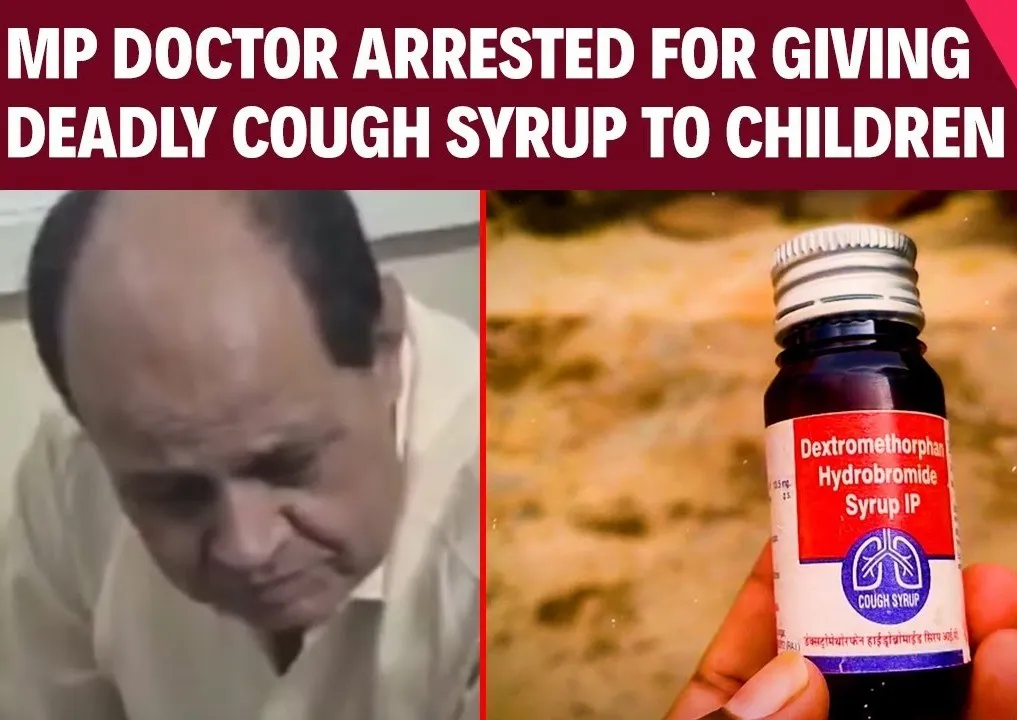 Case Analysis
Supreme Court Denies Bail to Pediatrician in Madhya Pradesh Cough Syrup Case Linked to 26 Child Deaths: A Comprehensive Legal and Medical Analysis
The Supreme Court of India recently denied bail to Dr. Praveen Soni, a pediatrician accused in a case linked to the tragic deaths of 26 children due to contaminated cough syrup, emphasizing the gravity of the situation and accountability in healthcare.
9 min read
 Case Analysis
The Judicial Prism: How Professional Backgrounds Shape Bail Jurisprudence in the Delhi High Court
This article explores a key empirical study on how judicial backgrounds impact bail grant rates in the Delhi High Court, revealing significant implications for the Indian criminal justice system.
5 min read