2023 Parliament Security Breach: Delhi Court Denies Bail to Key Accused, Citing Prima Facie UAPA Case
The Delhi Court has denied bail to the main accused in the 2023 Parliament security breach, emphasizing the prima facie UAPA charges against them. This ruling highlights key legal principles surrounding terrorism laws in India.
- By
- BailNow Research Team
- Published
- Reading time
- 5 min read
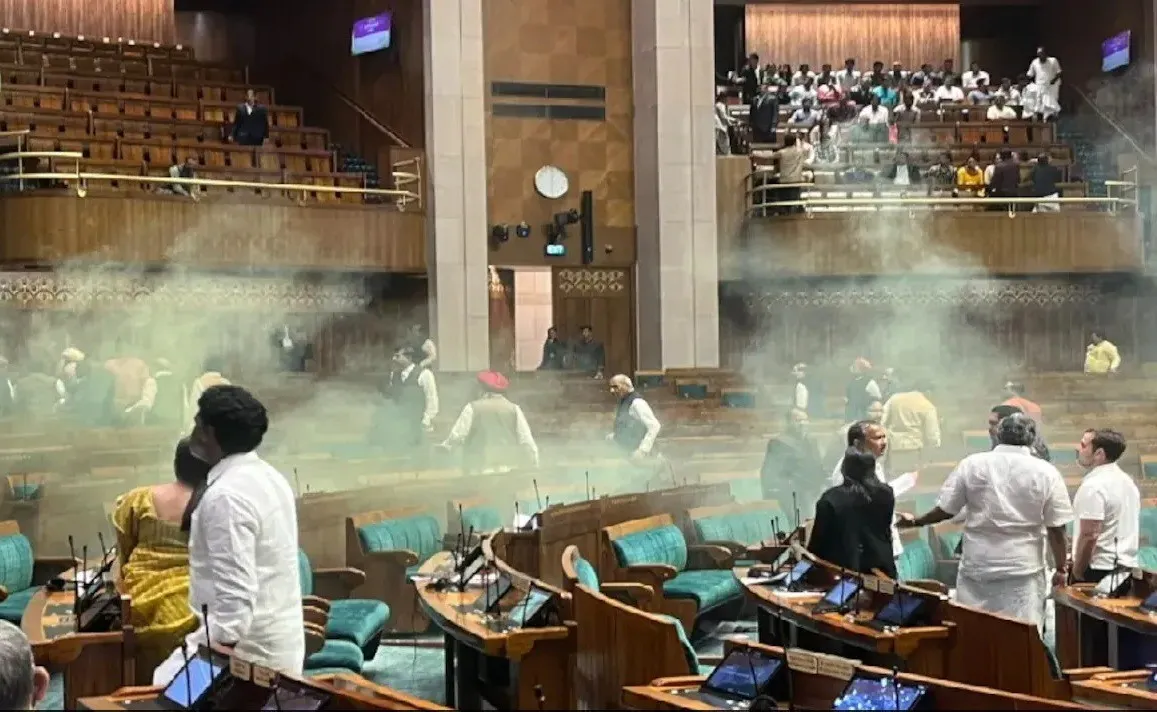
Court Rejected Parity Arguments With Co-Accused, granted bail by High Court
By Legal Reporter
New Delhi: November 14, 2026:
A Special NIA Court in New Delhi has dismissed the second regular bail applications of Manoranjan D and Sagar Sharma, the two primary accused in the December 13, 2023, Parliament security breach. Passing the order on November 12, 2026, Special Judge Kiran Bansal ruled that the accusations under the Unlawful Activities (Prevention) Act (UAPA) are prima facie true. The court emphasised that jumping into the Lok Sabha chamber and releasing coloured smoke canisters disrupted parliamentary proceedings and threatened India’s sovereignty and integrity.
The case centres on a coordinated security breach that occurred on the anniversary of the 2001 Parliament terror attack. While Manoranjan D and Sagar Sharma breached the Lok Sabha floor from the visitors' gallery with smoke canisters concealed inside their shoes, co-accused Neelam Ranoliya and Amol Shinde staged a simultaneous protest outside the building. Following the arrests, investigators charged the group under stringent anti-terror provisions alongside criminal conspiracy statutes, filing a main chargesheet and four supplementary chargesheets.
Why the Court Rejected Bail and Parity Arguments
A central pillar of the defence’s plea was parity with co-accused Neelam Ranoliya and Mahesh Kumawat, both of whom were granted bail by the Delhi High Court in July 2025. Defence counsel argued that since the investigation was complete and the trial remained at the stage of framing charges after nearly three years of custody, continued incarceration was unwarranted. They also contended that using non-lethal coloured smoke canisters did not meet the legal threshold of a terrorist act under the UAPA.
Judge Bansal rejected the parity claim by drawing a sharp distinction between the roles played by the accused. The court pointed out that Neelam Ranoliya had stayed outside the Parliament complex and refused to enter the building, while Mahesh Kumawat was neither in Delhi on the day of the incident nor present at the final two planning meetings. In contrast, Manoranjan D and Sagar Sharma physically breached the inner sanctum of the Lok Sabha, triggering panic among Members of Parliament. Furthermore, witness statements recorded under Sections 161 and 164 of the Code of Criminal Procedure, combined with allegations that the duo wiped their mobile data and handed their devices to co-accused Lalit Jha for destruction, reinforced the prosecution’s conspiracy narrative.
Statutory Hurdles Under Section 43D(5) of the UAPA
The ruling underscores the high legal bar imposed by Section 43D (5) of the UAPA, which prohibits a special court from granting bail if a perusal of the case diary or chargesheet reveals reasonable grounds to believe the accusations are prima facie true. At the bail stage, trial courts do not conduct a mini-trial to weigh evidence on merits; instead, they assess whether the prosecution’s material, taken at face value, establishes the ingredients of the alleged offence.
Addressing arguments over trial delay, the court clarified that statutory restrictions under Section 43D (5) cannot be bypassed by a special court solely on the ground of prolonged custody. While acknowledging the Supreme Court’s landmark ruling in Union of India v. K.A. Najeeb—which allows constitutional courts to grant bail when fundamental rights under Article 21 are violated due to endless trials—Judge Bansal noted that such powers rest with constitutional courts rather than trial courts bound by statutory limits. With Special Exclusive Courts designated for UAPA trials and arguments on charges already underway, the court concluded that regular bail could not be granted, though it clarified that these observations would not prejudice the final trial.
Frequently Asked Questions (FAQs)
Why did the Delhi court deny bail to Manoranjan D and Sagar Sharma? Special Judge Kiran Bansal dismissed their second regular bail pleas after finding reasonable grounds to believe the UAPA charges against them are prima facie true. The court noted their direct role in entering the Lok Sabha chamber, disrupting proceedings, and creating panic.
Why were they not granted bail on parity with co-accused Neelam Ranoliya and Mahesh Kumawat? The court held that their roles were materially different. Ranoliya remained outside Parliament and refused to enter, while Kumawat was not in Delhi on December 13, 2023, whereas Manoranjan D and Sagar Sharma directly breached the Lok Sabha floor.
What is Section 43D(5) of the UAPA? Section 43D(5) of the Unlawful Activities (Prevention) Act restricts courts from granting bail to an accused if the case diary or chargesheet shows reasonable grounds for believing that the allegations are prima facie true.
What is the current status of the 2023 Parliament security breach trial? The prosecution has filed the main chargesheet along with four supplementary chargesheets, and the case is currently pending before the Special Exclusive NIA Court for orders on the framing of charges.
Related articles
 UAPA Bail
News Snacks
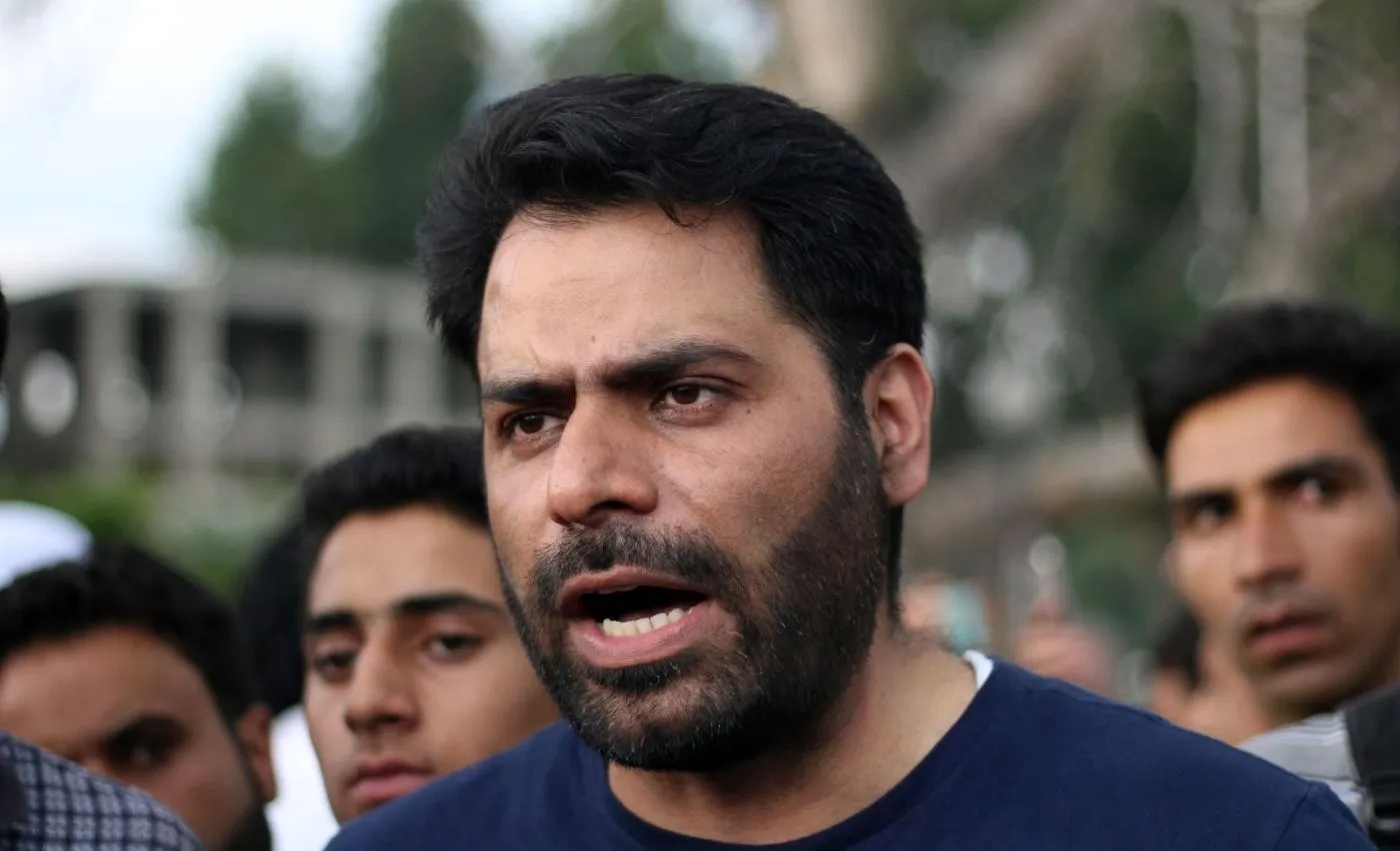
The Supreme Court upheld bail for Kashmiri activist Khurram Parvez, emphasizing the right to a speedy trial and the limitations of UAPA's stringent bail conditions.
5 min read
 UAPA Bail
BailNow.in News Snacks
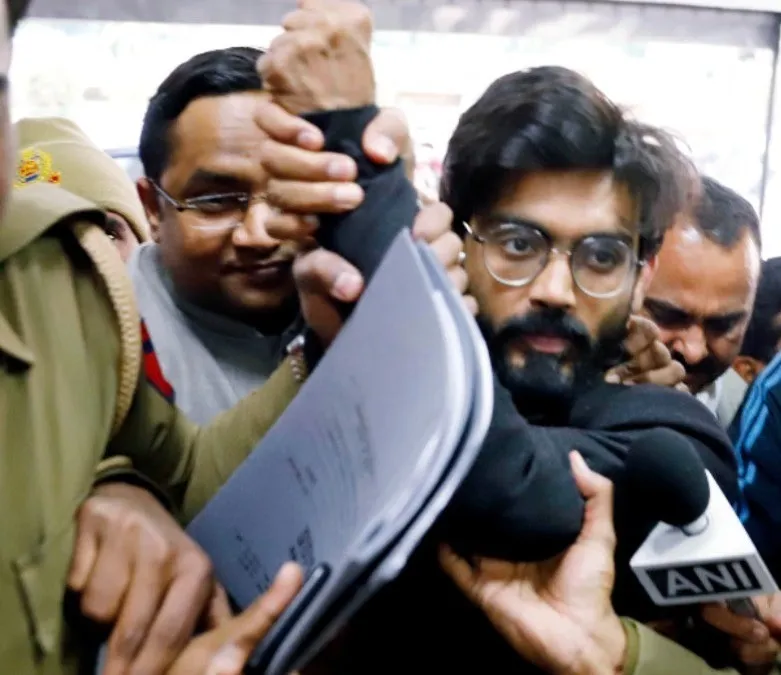
Delhi Police has requested cancellation of Sharjeel Imam’s interim bail, citing violations of conditions by interacting with the media. The case raises significant legal and societal issues surrounding UAPA and civil liberties.
3 min read