BailNow.in News Snacks
The Delhi High Court has denied bail to Umar Khalid and Sharjeel Imam in the 2020 riots case, adhering to Supreme Court directives concerning UAPA conditions.
- By
- BailNow Research Team
- Published
- Reading time
- 3 min read
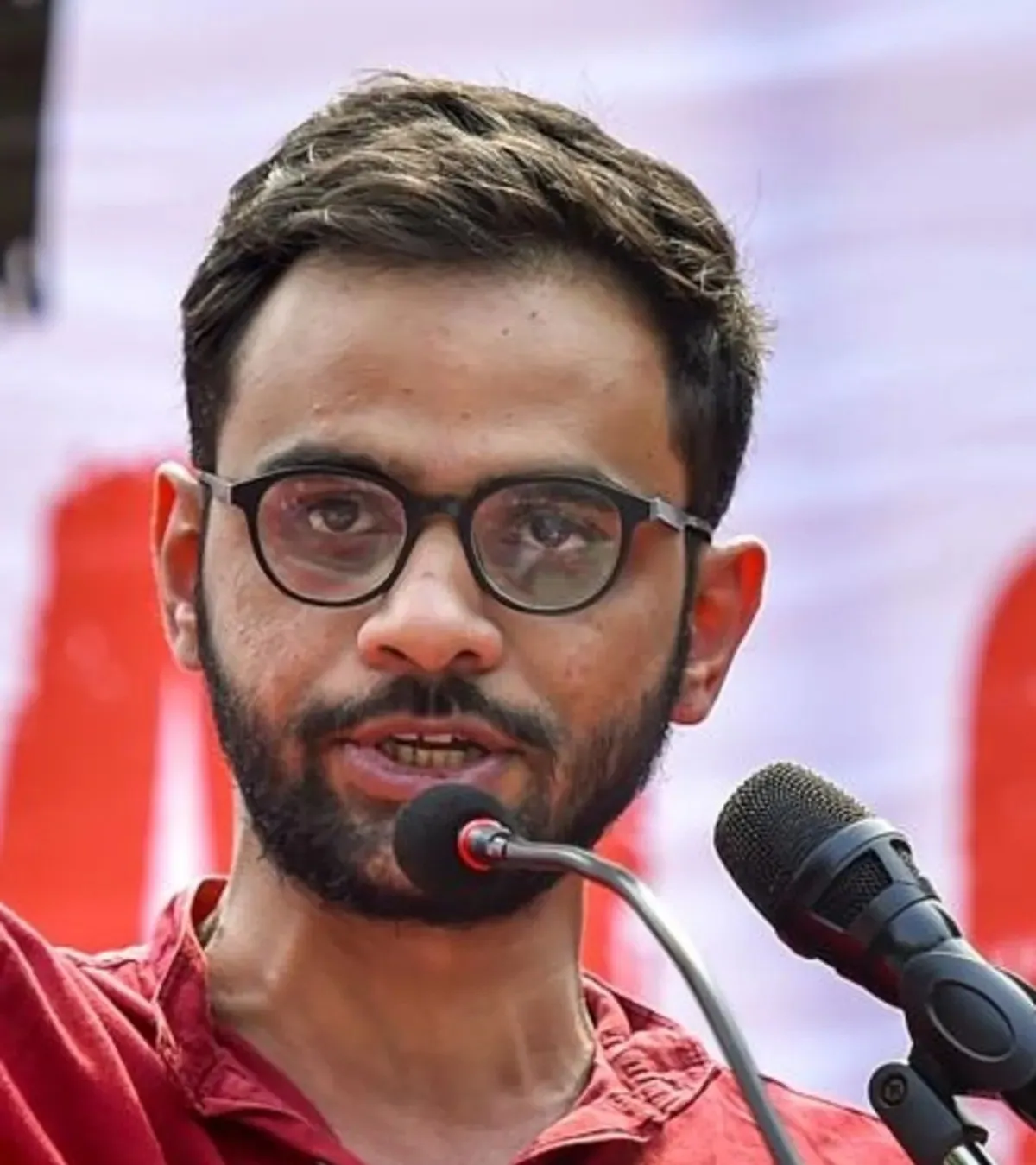
Delhi High Court Rejects Bail Pleas of Umar Khalid and Sharjeel Imam in 2020 Riots Case
Bench of Justices Prathiba M. Singh and Dinesh Bhatt dismisses third bail applications, citing Supreme Court’s January 5 order.
Activists accused under UAPA of being “masterminds” behind the conspiracy leading to the February 2020 North-East Delhi riots.
By Legal Reporter
New Delhi: October 02, 2026:
The Delhi High Court has refused bail to accused Umar Khalid and Sharjeel Imam in the 2020 Delhi riots conspiracy case, dismissing their third bail applications. The court upheld the Supreme Court’s earlier order that bail could only be considered after protected witnesses’ examination or after one year from the apex court’s directive. Both remain accused under the Unlawful Activities (Prevention) Act (UAPA).
Case Background
- Incident: February 2020 North-East Delhi riots, resulting in 53 deaths and over 700 injuries.
- Accused: Umar Khalid (arrested September 13, 2020) and Sharjeel Imam (arrested August 25, 2020).
- Charges: Alleged role as “masterminds” in a larger conspiracy, booked under UAPA.
- Other Accused: Activist Khalid Saifi, former AAP councillor Tahir Hussain, among others.
- Investigating Agency: Delhi Police Special Cell.
Court’s Reasoning
- The High Court stated it cannot override the Supreme Court’s January 5, 2026, order, which allowed bail only after:
- Completion of examination of protected witnesses, or
- Expiry of one year from the order date.
- The pleas were rejected after similar denials by the trial court on July 4, 2026.
- Police opposed bail, alleging both were central figures in orchestrating the riots.
Legal Significance
- Reinforces strict bail conditions under UAPA, where courts prioritize national security concerns.
- Highlights the role of protected witnesses in sensitive trials.
- Demonstrates judiciary’s adherence to Supreme Court directives in politically charged cases.
FAQs
Q1: Why were Umar Khalid and Sharjeel Imam denied bail?
Because the Supreme Court had set conditions that bail could only be considered after protected witnesses were examined or after one year from its order.
Q2: What is UAPA?
The Unlawful Activities (Prevention) Act is India’s anti-terror law, allowing stringent measures against individuals accused of terrorism or unlawful activities.
Q3: What role are Khalid and Imam alleged to have played?
They are accused of being part of the “larger conspiracy” behind the riots, allegedly mobilizing protests and inciting violence.
Q4: Can they apply for bail again?
Yes, but only after meeting the Supreme Court’s conditions.
Q5: Why is this case significant?
It is one of the most high-profile cases under UAPA, involving prominent activists and raising debates on civil liberties versus national security.
This ruling underscores the judiciary’s cautious approach in UAPA cases, balancing individual liberty with concerns of public order and national security. It also signals that bail under UAPA remains exceptionally difficult, especially in cases involving allegations of conspiracy and violence.
Related articles
 Bail Basics
BailNow.in News Snacks
The Supreme Court ruled that judges must not impose personal morality in bail decisions. This judgment emphasizes legal parameters and strengthens judicial neutrality.
3 min read
 Bail Basics
BailNow.In Special Story on Emergency Bail Guidelines
This guide provides essential information on emergency bail in India, detailing procedures, costs, and vital strategies for securing release in urgent situations.
12 min read