News Snacks
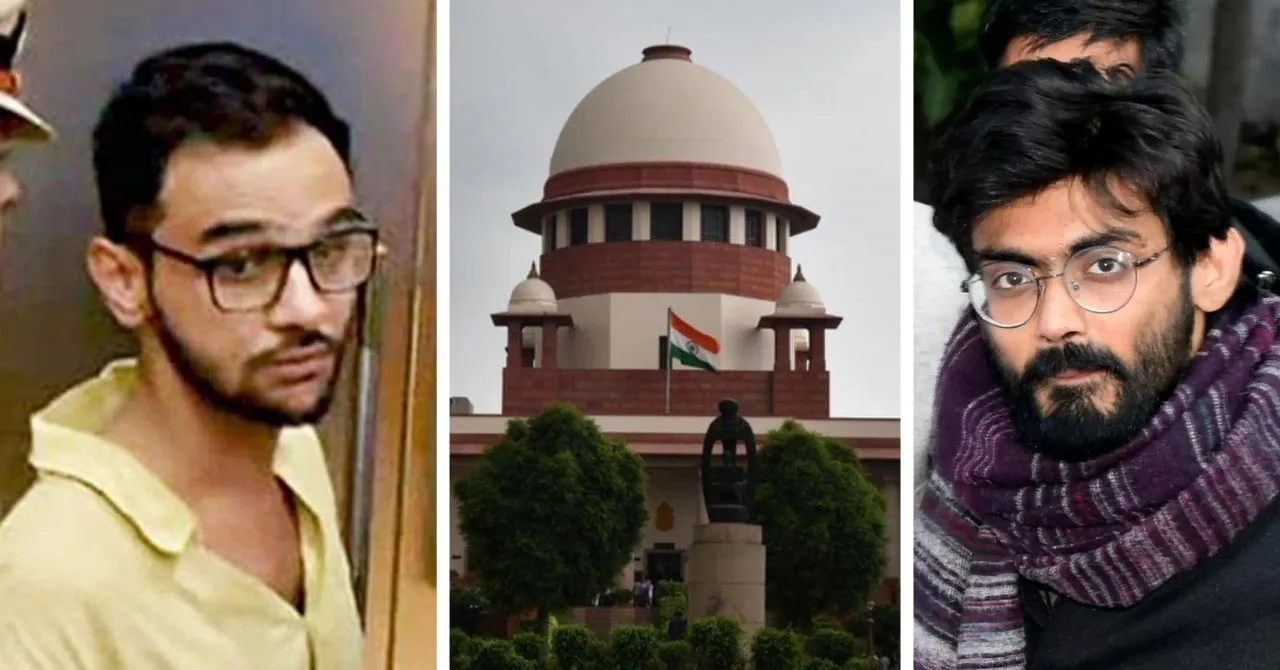
Umar Khalid and Sharjeel Imam have approached the Supreme Court challenging the Delhi High Court's refusal of their bail pleas in the northeastern Delhi riots case. Their prolonged imprisonment brings significant legal questions into focus, particularly concerning their rights as undertrials under UAPA.
- By
- BailNow Research Team
- Published
- Reading time
- 4 min read
On this page
Legal Battle Escalates: Umar Khalid and Sharjeel Imam Approach Supreme Court Over Delhi High Court's Bail Refusal
Protracted Under-Trial Incarceration and the Unexamined Witness Dilemma Under UAPA
Navigating Judicial Discipline, Statutory Timelines, and the Nearing Expiry of the Supreme Court's Embargo
By Legal Reporter
New Delhi: November 06, 2026:
The legal proceedings surrounding the 2020 northeast Delhi communal riots have taken a significant turn as jailed activists Umar Khalid and Sharjeel Imam formally moved the Supreme Court. The petitioners have challenged the Delhi High Court's joint order dated September 30, 2026, which dismissed their fresh bail pleas. Both activists have invoked fundamental constitutional rights, bringing the strict threshold conditions of the Unlawful Activities (Prevention) Act (UAPA) and the rights of undertrials facing prolonged incarceration back into judicial scrutiny.
Background and Context of the Challenge
The genesis of the case traces back to FIR 59 of 2020, registered by the Delhi Police Special Cell, which investigates the "larger conspiracy" behind the February 2020 violence in northeast Delhi that claimed 53 lives and left over 700 injured. Khalid and Imam have been behind bars as undertrials since September 2020 and August 2020 respectively, facing stringent charges under the UAPA and the Indian Penal Code (IPC).
On January 5, 2026, a Supreme Court bench comprising Justices Aravind Kumar and N.V. Anjaria had upheld the denial of bail to Khalid and Imam while granting relief to five other co-accused (such as Gulfisha Fatima and Meeran Haider). At that time, the apex court observed that prima facie cases existed and categorized their alleged roles distinctly. However, the top court's order provided a window, allowing the two activists to approach trial courts for bail either after the examination of protected witnesses or upon the expiry of a one-year period, whichever came earlier.
Seeking leverage from this clause and citing prolonged detention, Khalid and Imam approached the trial court in mid-2026. When the trial court and subsequently the Delhi High Court on September 30 rejected their relief requests—stating they were bound by judicial discipline and could not bypass or modify the top court's structured terms—the activists escalated the matter back to the Supreme Court.
Analytical Perspectives: Prosecution Delays and Article 21
The core legal argument presented in the current Supreme Court petitions revolves around Article 21 of the Indian Constitution, which guarantees the right to life and personal liberty, asserting that deprivation must strictly adhere to procedure established by law.
- Stalled Trial Proceedings: The petitioners highlight that although the chargesheet was filed as early as September 2020—naming 18 accused and citing over 900 witnesses, including 47 protected witnesses—the prosecution is yet to examine a single witness.
- The Embargo Timeline: With the one-year timeframe stipulated by the Supreme Court nearing its absolute end, the defence argues that continued incarceration without meaningful trial progress transforms pre-trial detention into a de facto punitive sentence, violating speedy trial tenets.
- The Prosecution’s Stand: Conversely, the Delhi Police maintains that Khalid and Imam acted as the "masterminds" or "command authority" behind the conspiracy, arguing that their high-risk profiles and distinct ideological driving roles warrant the continuation of custody despite procedural lags.
Frequently Asked Questions (FAQs)
1. Why did Umar Khalid and Sharjeel Imam move the Supreme Court?
They filed petitions challenging the Delhi High Court’s September 30, 2026 order, which refused to grant them regular bail in the 2020 Delhi riots larger conspiracy case.
2. What are the primary grounds for their current bail plea?
The petitioners argue that they have spent over six years as undertrials in custody, the prosecution has failed to examine a single witness out of hundreds listed, and the one-year judicial embargo set by the Supreme Court is nearing its completion, making prolonged detention a violation of Article 21.
3. What law are the accused charged under?
They are prosecuted under stringent provisions of the Unlawful Activities (Prevention) Act (UAPA) alongside relevant sections of the Indian Penal Code (IPC).
4. What was the Delhi High Court's reasoning for denying bail earlier?
The High Court held that it was bound by strict judicial discipline and could not alter or expand the specific timeline conditions laid down by the Supreme Court in its January 2026 order before the designated conditions fully matured.
Related articles
 UAPA Bail
BailNow.in News Snacks
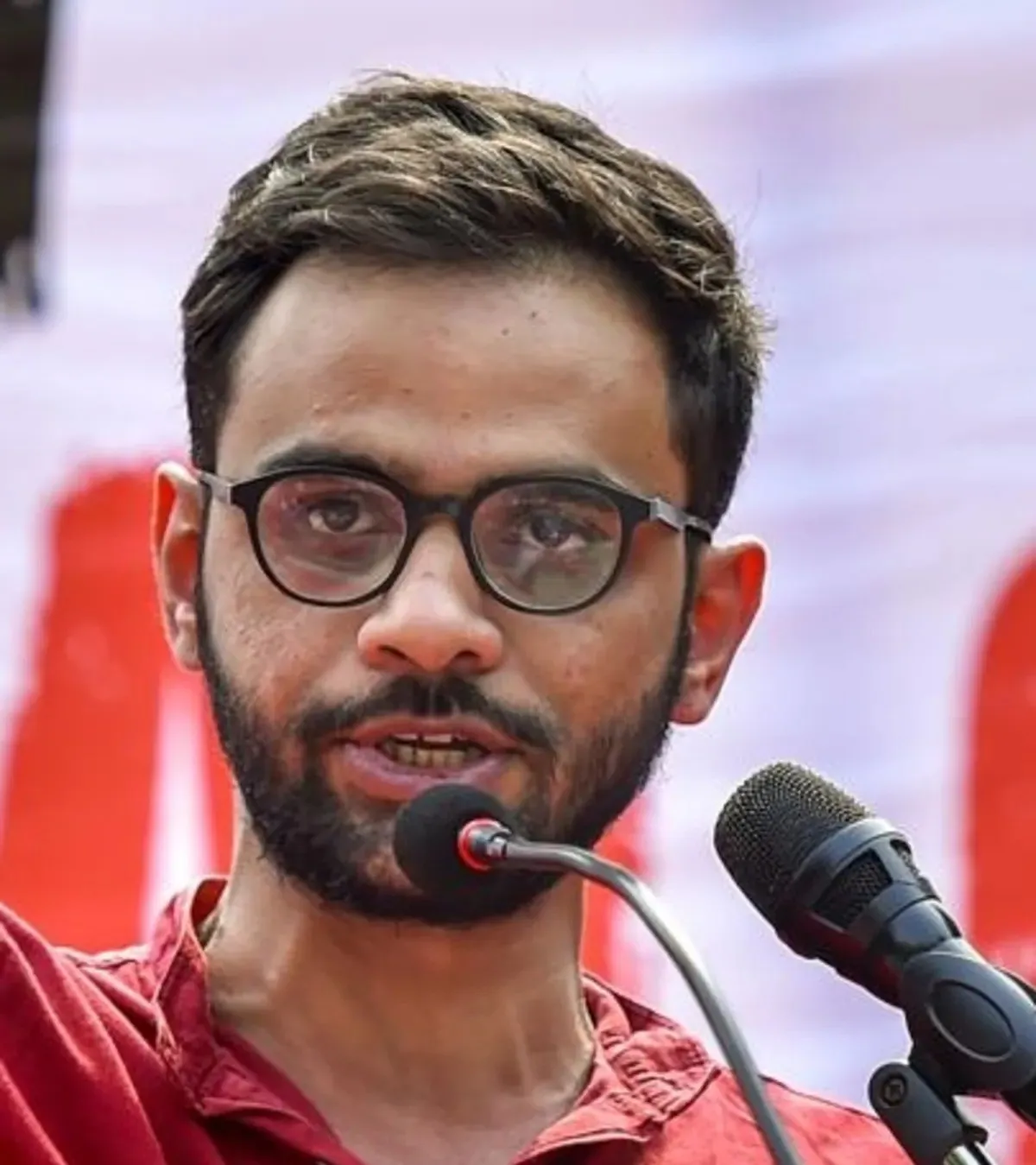
The Delhi High Court has denied bail to Umar Khalid and Sharjeel Imam in the 2020 riots case, adhering to Supreme Court directives concerning UAPA conditions.
3 min read
 UAPA Bail
Supreme Court Pulls Up Bihar Police and Gaya Court Over 14-Month Detention Without Production of UAPA Accused
The Supreme Court intervened in a case involving a UAPA accused detained for 14 months without production in court, demanding accountability from Bihar Police. The court granted interim bail pending further hearings.
6 min read