News Snacks
The Bombay High Court canceled Sachin Waze's bail linked to the Antilia bomb scare case, reinforcing serious allegations under the UAPA and maintaining judicial scrutiny.
- By
- BailNow Research Team
- Published
- Reading time
- 4 min read
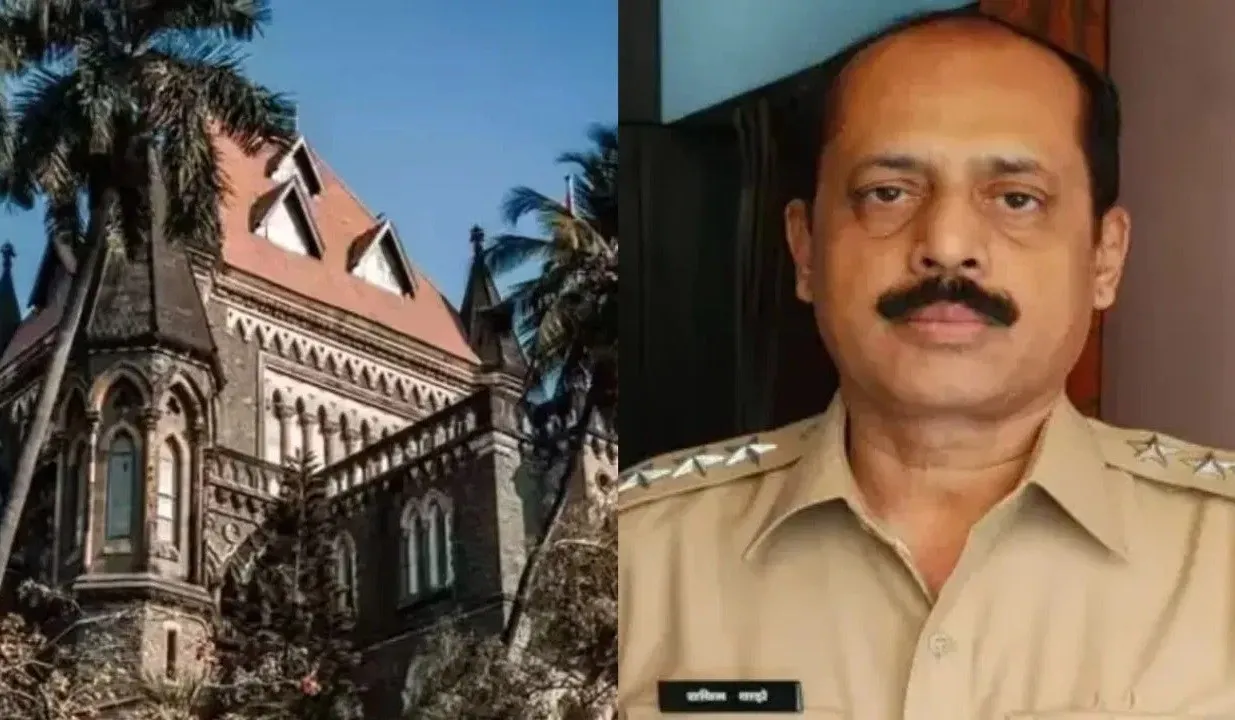
Bombay High Court Sets Aside Special Court Order, Cancels Sachin Waze’s Bail in 2021 Antilia Bomb Scare Case
High Court upholds National Investigation Agency’s appeal, ruling that orchestrating a high-profile explosive scare to intimidate targets and manipulate security frameworks attracts stringent anti-terror provisions under the UAPA.
The ruling ensures the dismissed police officer remains incarcerated at Thane Central Prison, dealing a major blow to attempts to decouple the bomb scare from the connected murder of Mansukh Hiren.
By Legal Reporter
New Delhi: November 06, 2026:
The Bombay High Court delivered a significant legal verdict by setting aside a lower court's order and cancelling the bail granted to dismissed police officer Sachin Waze. The ruling stems from the high-profile 2021 Antilia bomb scare investigation, in which an explosive-laden SUV containing gelatin sticks was parked near a prominent industrialist's Mumbai residence, followed shortly by the suspicious death of vehicle owner Mansukh Hiren.
A division bench comprising Justices Girish Kulkarni and Neela Gokhale allowed the appeal filed by the National Investigation Agency (NIA), concluding that there is strong prima facie material demonstrating Waze’s central role in the conspiracy. With this decision, Waze remains lodged in Thane Central Prison, facing rigorous judicial scrutiny under special anti-terror legislation.
Judicial Analysis: Dissecting the UAPA Threshold and Mastermind Status
The core of the legal contestation revolved around whether planting unprimed gelatin sticks without a detonator constituted a "terrorist act" under Section 15 of the Unlawful Activities (Prevention) Act (UAPA). Earlier, a special NIA trial court had granted bail to Waze, reasoning that the absence of a detonator and direct threat statements weakened the terrorism classification.
However, the High Court fundamentally dismantled this narrow interpretation. Under Section 43D (5) of the UAPA, statutory bars against bail apply if there are reasonable grounds to believe that the accusations are prima facie true. The High Court observed that orchestrating a calculated, high-impact explosive threat to strike terror, achieve extortionist objectives, and subsequently manipulate the law enforcement apparatus to "solve" the crime creates an acute threat to public safety and economic security.
Furthermore, the bench addressed arguments concerning parity with other co-accused individuals who had previously secured relief from higher courts. The judiciary firmly distinguished Waze's position, noting that as the primary mastermind and active executor of both the bomb scare and the connected murder of Mansukh Hiren, automatic parity cannot be claimed. The systematic elimination of a crucial witness was treated not as an isolated evidence-destruction event, but as an integral component of a singular, overarching criminal conspiracy.
Institutional Implications and Police Governance
Beyond the immediate criminal proceedings, the case carries profound institutional significance for law enforcement accountability in Maharashtra. Investigative findings presented by federal agencies highlighted an extraordinary abuse of official machinery, where a serving police officer allegedly engineered a simulated terror threat to regain official clout and influence.
The rapid legal intervention by the NIA—which moved the High Court on the exact day of the special court’s order to secure an interim stay—prevented Waze's release, preserving the integrity of the ongoing judicial trial. Legal experts note that this judgment reinforces institutional checks against rogue state actions, sending an uncompromising message regarding the accountability of individuals entrusted with public safety.
Frequently Asked Questions (FAQs)
Q1: Why did the Bombay High Court cancel Sachin Waze’s bail?A: The Bombay High Court cancelled Waze's bail after accepting the NIA's argument that the special trial court had erred in evaluating the chargesheet. The High Court found strong prima facie evidence indicating Waze's central complicity in orchestrating a terror threat under the UAPA.
Q2: Which prison is Sachin Waze currently held in?A: Sachin Waze remains incarcerated at Thane Central Prison, as the High Court's interim stay and subsequent final judgment blocked his release following the initial lower court order.
Q3: How does this ruling connect the Antilia bomb scare to Mansukh Hiren’s death?A: The High Court upheld the federal agency's stance that the placement of explosives outside the high-profile residence and the subsequent murder of vehicle owner Mansukh Hiren were intrinsically linked parts of a unified criminal conspiracy rather than isolated incidents.
Q4: Can Sachin Waze claim bail parity with other co-accused individuals in the case?A: No. The High Court explicitly ruled out parity, distinguishing Waze's role as the primary mastermind and central conspirator behind the core offences compared to other co-accused individuals.
Related articles
 UAPA Bail
Rajasthan High Court Refuses Bail to Five Accused in Kanhaiya Lal Murder Case, Says UAPA Bar Remains Applicable
The Rajasthan High Court has denied bail to five accused in the Kanhaiya Lal murder case, emphasizing ongoing trial progress and UAPA restrictions.
12 min read
 UAPA Bail
News Snacks
A Delhi court has cancelled activist Sharjeel Imam’s interim bail, citing violations of media contact restrictions. He must surrender immediately amid serious allegations related to the 2020 Delhi riots conspiracy.
3 min read