News Snacks
The Delhi High Court's ruling on a POCSO case unveils critical issues of accountability in the criminal justice system, especially concerning hostile witnesses and perjury, marking a significant turning point.
- By
- BailNow Research Team
- Published
- Reading time
- 4 min read

Beyond the Hostile Witness: Why the Delhi High Court’s POCSO Ruling Marks a Critical Turning Point for Accountability
Examining the Disconnect Between Low Conviction Rates, Perjury, and Institutional Inaction
Navigating the Delicate Balance Between Protecting Vulnerable Minors and Ensuring Judicial Integrity
By Legal Reporter
New Delhi: October 29, 2026
The Indian criminal justice system operates on a fundamental premise: the pursuit of truth. However, the complex dynamics of sensitive statutes like the Protection of Children from Sexual Offences (POCSO) Act often create immense pressure points for investigating agencies, survivors, and the judiciary alike. In a significant analytical ruling reported by outlets like India Today, the Delhi High Court granted bail to a 37-year-old man accused of repeated sexual assault. Beyond the immediate relief granted to the applicant, Justice Girish Kathpalia’s scathing critique targeted a systemic malaise: the glaring apathy of law enforcement toward witnesses who turn hostile and allegedly commit blatant perjury.
The Anatomy of the Case and Judicial Observations
The underlying FIR alleged that the 37-year-old accused had repeatedly assaulted his 16-year-old neighbour. Yet, during the trial proceedings, the minor survivor completely retracted her allegations, flatly denying that any such incident had occurred. Furthermore, she went to the extent of claiming she had never appeared before a judge to record her initial statement—a claim the High Court categorized as a blatant falsehood.
When the accused moved for bail following this dramatic shift, the court scrutinized not just the testimony of the prosecutrix, but the conduct of the Investigating Officer (IO). Justice Kathpalia pointed out that despite apparent perjury—which could invite legal scrutiny under provisions like Section 217 of the Bharatiya Nyaya Sanhita (BNS) for providing false information to public servants—the police exhibited “total disinterest” in taking punitive or corrective steps against the witness. The court noted that this systemic inaction strongly implied a compromised investigation, leaving an individual in prolonged, potentially illegal confinement.
Systemic Flaws: The Hostile Witness Paradox
The Delhi High Court's observations expose a profound structural paradox within criminal jurisprudence. Frequently, prosecuting and investigating agencies are quick to lament high acquittal rates and blame witnesses turning hostile for undermining criminal trials. However, these same agencies routinely fail to initiate perjury proceedings or follow up on false testimonies.
This creates a dangerous loop:
- Erosion of Deterrence: When false allegations or deliberate retractions go unpunished, it degrades the credibility of statutory safeguards designed to protect genuine victims.
- Miscarriage of Justice: Accused individuals may suffer prolonged pre-trial incarceration based on allegations that unravel completely in court, while the institutional machinery looks the other way regarding the veracity of the statements.
- Compromised Prosecutorial Rigor: Police agencies treat hostile turnarounds as dead ends rather than investigating the underlying reasons—whether coercion, compromise, or deliberate fabrication—thereby weakening accountability across the board.
Frequently Asked Questions (FAQs)
- What led the Delhi High Court to grant bail in this POCSO case?
The High Court granted bail because the 16-year-old survivor completely turned hostile during the trial, flatly denying the allegations of sexual assault. Coupled with the police's failure to investigate or act upon the apparent false testimony, the court found the prosecution's case prima facie weak and noted that the applicant had suffered unwarranted detention.
- What did the court criticize the police for?
The court criticized investigating and prosecuting agencies for showing “total disinterest” in addressing apparent perjury. Although the state previously hinted at taking action against the complainant for providing false information, no concrete steps were taken by the Investigating Officer, highlighting institutional lethargy.
- Why are hostile witnesses a major challenge in POCSO trials?
Hostile witnesses contribute significantly to low conviction rates in sensitive criminal trials. When survivors or witnesses retract statements under pressure or provide contradictory accounts, it breaks down the evidentiary chain. The court emphasized that while child protection laws are strict, accountability must run both ways to ensure that trials genuinely serve the pursuit of truth rather than systemic confusion.
Related articles
 POCSO Bail
New Snacks
The Delhi High Court has granted bail in a POCSO case, noting the consensual nature of the adolescent relationship involved, backed by the parents' acknowledgment. This ruling reflects an evolving legal stance on such cases.
3 min read
 POCSO Bail
News Snacks
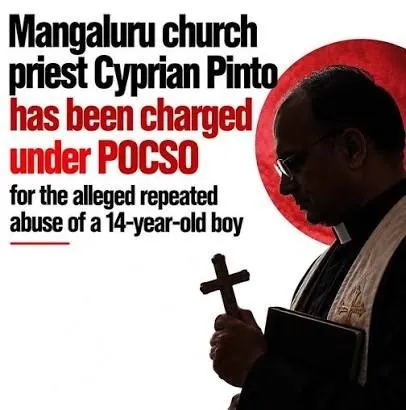
This article delves into the Mangaluru Court's bail grant to priest Cyprian Pinto, emphasizing the legal and institutional implications of the case involving child sexual abuse claims.
4 min read