News Snacks
This article delves into the Mangaluru Court's bail grant to priest Cyprian Pinto, emphasizing the legal and institutional implications of the case involving child sexual abuse claims.
- By
- BailNow Research Team
- Published
- Reading time
- 4 min read
On this page
Mangaluru Court Grants Bail to Priest Accused of Assaulting Minors: Legal and Institutional Implications
Examining the intersection of judicial discretion under the POCSO framework and institutional accountability within religious hierarchies.
Navigating the procedural balance between pre-trial detention rights and child protection safeguards.
By Legal Reporter
New Delhi: November 02, 2026:
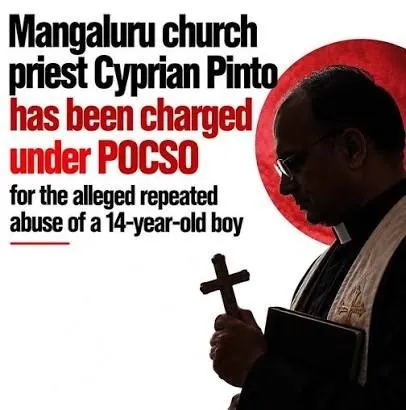
The recent decision by the Additional District and Sessions Court (Fast Track Sessions Court-1) in Mangaluru to grant conditional bail to 65-year-old priest Cyprian Pinto has brought renewed national focus to the handling of child sexual abuse cases involving influential institutional figures. Arrested following allegations of sexually assaulting five minor boys at the St. Vincent Ferrar Church in Valencia, Mangaluru, the accused priest’s release on a personal bond of ₹1 lakh has sparked critical discussions regarding legal thresholds for pre-trial liberty, internal institutional handling of grievances, and systemic transparency.
Judicial Framework and Bail Conditions
Under Indian criminal jurisprudence, particularly provisions governed by the Protection of Children from Sexual Offences (POCSO) Act, granting bail requires courts to balance the gravity of the offense against standard pre-trial considerations, such as the necessity of continued custody, the risk of evidence tampering, and cooperation with the ongoing investigation.
In this instance, Judge Maanu K.S. emphasized that the release is contingent upon strict conditions. The accused has been mandated to appear before the court on all designated hearing dates, cooperate fully with the investigating officer when summoned, and report as required. Legal analysts note that while pre-trial detention is not meant to be punitive, cases involving vulnerable minors often amplify public anxiety surrounding witness protection and the potential coercion of victims. The court's inclusion of mandatory compliance clauses is designed to mitigate these risks, leaving room for the prosecution to seek a cancellation of bail should any terms be violated.
Institutional Response and Delayed Reporting
Beyond the courtroom, the case has intensely scrutinized the procedural response of local ecclesiastical authorities. Reports indicate that victims and their families initially approached diocesan leadership weeks prior to the formal filing of a police First Information Report (FIR). Critics and child rights activists, such as representatives from advocacy groups like Odanadi, have raised serious concerns regarding internal ecclesiastical inquiries preceding external law enforcement notification.
Child protection advocates argue that institutional bodies must prioritize immediate reporting to statutory authorities over internal administrative probes. When complaints of abuse are funnelled through internal ecclesiastical channels rather than directly to law enforcement agencies or child welfare committees, critical evidentiary timelines—such as forensic collection and immediate witness documentation—can be compromised. This dynamic underscores the urgent need for strict adherence to mandatory reporting laws, ensuring that institutional loyalty never supersedes the legal duty to protect minors.
Frequently Asked Questions (FAQs)
1. Who is Cyprian Pinto and what are the charges against him?
Cyprian Pinto is a 65-year-old Catholic priest formerly associated with the St. Vincent Ferrar Church in Valencia, Mangaluru. He was arrested following complaints filed by a minor victim and subsequent allegations involving the sexual harassment and assault of five minor boys.
2. Under what legal provisions was the case registered?
The case involves serious allegations invoking the Protection of Children from Sexual Offences (POCSO) Act, which mandates stringent legal protections and specialized procedures for minor victims of sexual offenses.
3. What specific conditions were attached to the bail order?
The Fast Track Sessions Court granted bail subject to the execution of a personal bond of ₹1 lakh with one surety. Additionally, the court ordered the accused to cooperate fully with the police investigation, appear before the investigating officer when summoned, and attend all court hearings.
4. Why has the institutional handling of the case drawn public criticism?
Child rights activists and community members have expressed concern over delays in involving law enforcement. Reports suggest that grievances were initially brought to church authorities who initiated internal assessments before formal police intervention, triggering broader debates on mandatory reporting protocols and institutional transparency.
Related articles
 POCSO Bail
News Snacks
The Delhi High Court's ruling on a POCSO case unveils critical issues of accountability in the criminal justice system, especially concerning hostile witnesses and perjury, marking a significant turning point.
4 min read
 POCSO Bail
New Snacks
The Delhi High Court has granted bail in a POCSO case, noting the consensual nature of the adolescent relationship involved, backed by the parents' acknowledgment. This ruling reflects an evolving legal stance on such cases.
3 min read