Liberty Behind Bars: How Poverty and Financial Barriers Keep Granted Bail Prisoners Locked Inside Goa’s Colvale Jail
This article discusses the systemic issues faced by 19 undertrial prisoners in Goa's Colvale Jail, highlighting the impact of poverty on access to bail and justice as revealed by the GHRC's inspection. It calls for compassionate judicial reforms to bridge the justice gap.
- By
- BailNow Research Team
- Published
- Reading time
- 7 min read
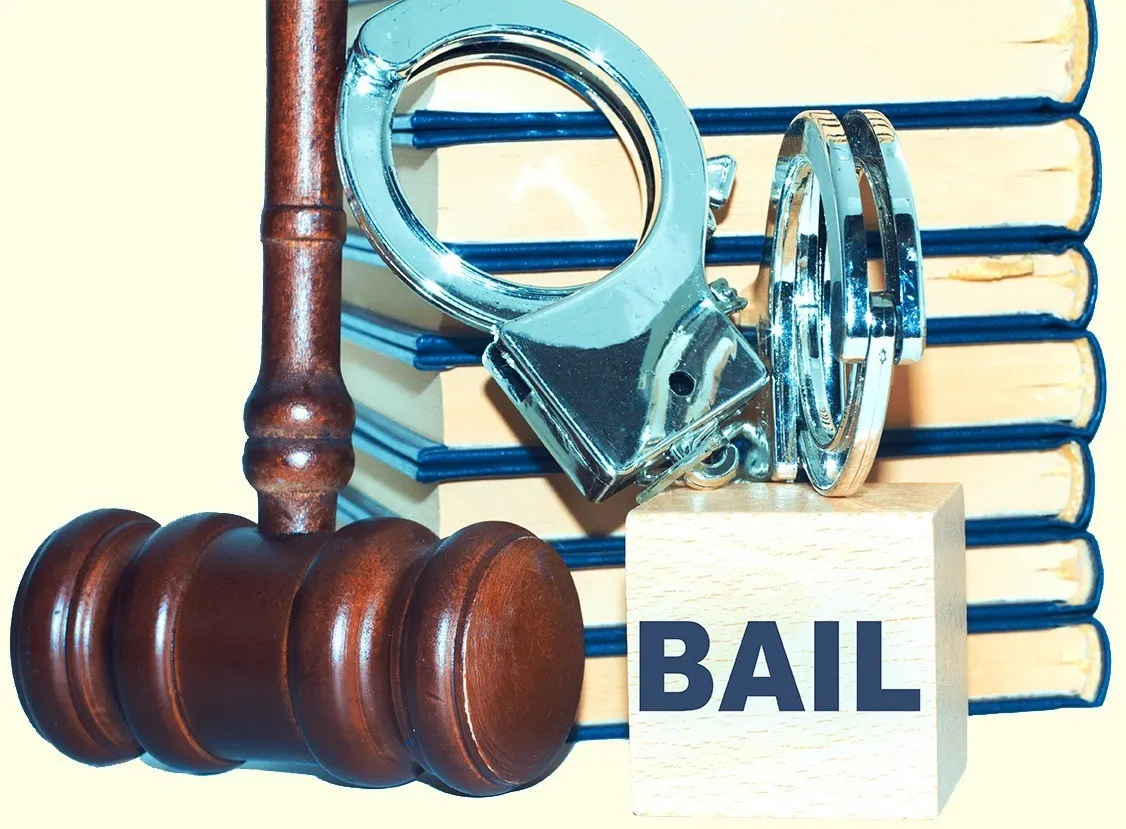
The Goa Human Rights Commission’s Landmark Inspection Exposes Systemic Lapses, Highlighting 19 Undertrials Stuck Due to Surety Money and Pressing Authorities for an Empathetic Judicial Approach
A Critical Examination of Overcrowding, Medical Deficiencies, and Constitutional Rights Deficits Within Modern Correctional Facilities
By Legal Editor
New Delhi: October 30, 2026:
In the architecture of modern criminal jurisprudence, bail is widely recognized as a rule, while jail is the exception. This foundational principle is designed to safeguard personal liberty, prevent pre-trial punishment, and uphold the presumption of innocence. However, a profound disconnect often exists between judicial theory and ground-level reality.
This systemic gap was thrust into the national spotlight following a comprehensive inspection report released by the Goa Human Rights Commission (GHRC). During an official visit to the Modern Central Jail at Colvale on October 13, 2026, the commission uncovered a deeply troubling paradox: 19 undertrial prisoners remained locked behind iron bars despite having been formally granted bail by courts of law.
Their continued incarceration had nothing to do with the severity of their alleged crimes or a flight risk; rather, it was driven entirely by an inability to arrange surety money and financial collateral. This report explores the broader implications of the GHRC’s findings, examining how economic vulnerability subverts access to justice, analyzing infrastructural and medical shortcomings inside the Colvale facility, and mapping out structural reforms required to bridge India's justice gap.
The GHRC Inspection: Key Findings at Colvale Central Jail
The Goa Human Rights Commission’s visit to the Modern Central Jail in Colvale was aimed at evaluating living conditions, healthcare infrastructure, nutritional standards, and overall welfare measures. While correctional institutions are theoretically designed to foster reformation and rehabilitation, the commission's observations exposed severe stress points within the prison ecosystem.
The Core Crisis: 19 Prisoners Left Behind
The most striking revelation of the October 23 report was the presence of 19 undertrials who continued to languish in confinement despite securing legal permission for release.
- The Financial Barrier: Under criminal procedure codes, securing bail often requires executing a personal bond coupled with a surety—a financial guarantee provided by a third party or a cash deposit. For economically marginalized individuals, finding local sureties who possess immovable property or liquid cash is an insurmountable hurdle.
- The Poverty Penalty: The commission explicitly noted that "poverty should not become an obstacle to the liberty of undertrials released on bail". When a court grants bail, it establishes that the accused’s continued detention is no longer legally justified. Keeping them imprisoned solely because they lack financial means effectively converts poverty into a punishable offense.
Infrastructure and Living Conditions
Beyond the bail bottleneck, the GHRC report flagged several critical infrastructural and sanitary concerns that demand urgent administrative correction:
- Overcrowding: Like many regional correctional facilities across India, Colvale jail struggles with population pressures that stretch housing capacities, strain sanitation systems, and complicate prison management.
- Maintenance Lapses: Inspectors noted structural decay and damaged mosquito nets across residential blocks, exposing inmates to preventable vector-borne health risks.
- Medical and Healthcare Gaps: The commission highlighted lapses in regular medical care and institutional responsiveness, emphasizing that prompt access to healthcare is an inalienable right for individuals confined by the state.
The Broader Context: Systemic Issues in India’s Undertrial Population
The situation in Goa reflects a nationwide systemic challenge. Across India, most of the prison population consists of undertrials—individuals awaiting the conclusion of investigations or trials.
Why Surety Systems Fail the Poor
The traditional requirement of monetary or property surety is rooted in colonial-era legal frameworks designed to ensure court attendance. However, in contemporary societies characterized by vast economic disparities, these rules disproportionately penalize the underprivileged:
- Social Isolation: Migrant workers, daily wage labourers, and individuals belonging to economically weaker sections often lack local community ties or affluent relatives who can step forward as financial guarantors.
- Exorbitant Bond Amounts: Even modest surety amounts can represent months of survival income for a destitute family, forcing them to choose between legal freedom and basic subsistence.
- Information Asymmetry: Many undertrials are unaware of legal aid mechanisms, personal bond provisions (such as Section 436A of the CrPC or equivalent modern provisions), or procedures to request waiver of sureties from magistrates.
The Human Cost of Delayed Justice
When individuals remain imprisoned due to administrative or financial bottlenecks, the consequences ripple outward:
- Destabilization of Families: The primary breadwinner’s detention often pushes dependent children out of school and plunges families into deeper generational poverty.
- Criminogenic Environment: Exposing petty or non-violent offenders to hardened criminal networks inside overcrowded facilities can compromise their long-term social rehabilitation.
Recommendations and the Path Forward
Responding to the crisis, the GHRC has called for a fundamental shift in administrative and judicial mindsets.
1. A Sympathetic Administrative and Judicial Approach
The commission demanded a compassionate framework from both judicial officers and prison administrators. Magistrates and judges are encouraged to proactively review bail conditions when surety bonds remain unfulfilled for extended periods. Under established legal principles, courts possess the discretionary power to relax surety conditions or convert surety bonds into personal release bonds (PR bonds) when an accused demonstrates genuine indigence.
2. Proactive Legal Aid Intervention
District Legal Services Authorities (DLSAs) must maintain active cells inside correctional institutions like Colvale. Paralegal volunteers and public defenders should systematically identify prisoners who have secured bail but remain trapped due to financial constraints, stepping in to furnish surety or file modification applications.
3. Infrastructural Upgrades and Accountability
Prison authorities must address the maintenance issues highlighted by the GHRC immediately. Repairing mosquito nets, upgrading sewage systems, expanding healthcare staffing, and decongesting barracks are essential steps toward ensuring humane conditions of detention.
Frequently Asked Questions (FAQs)
Q1: What is an undertrial prisoner?
A: An undertrial prisoner is a person who is currently locked up in a jail or prison while awaiting trial for a crime they have been accused of committing, meaning they have not yet been convicted by a court of law.
Q2: Why were 19 undertrials still in Goa’s Colvale jail if they had received bail?
A: Although courts had officially granted them bail, they remained behind bars because they could not arrange the required surety money or financial collateral mandated as a condition of their release.
Q3: What did the Goa Human Rights Commission (GHRC) say about this situation?
A: In its inspection report, the GHRC stated that poverty should not be an obstacle to a person's liberty. It called for a sympathetic administrative and judicial approach to ensure no individual remains confined simply due to a lack of financial means.
Q4: What other issues did the GHRC find during its inspection of Colvale jail?
A: Alongside the bail bottleneck, the commission flagged issues including overcrowded cells, damaged mosquito nets, and lapses in regular medical care for inmates.
Q5: Can courts relax surety requirements for poor defendants?
A: Yes. Courts have the judicial discretion to modify bail conditions—such as accepting personal bonds instead of monetary or property surety—when it is proven that the accused is indigent and unable to meet financial requirements.
Related articles
 Default Bail
BailNow.in News Snacks
A Delhi court granted bail to eight individuals in a ₹9.90 crore gold smuggling case, citing lack of direct evidence. The decision emphasizes the principle that bail is the rule, with strict conditions imposed to safeguard the investigation.
3 min read
 Default Bail
J&K&L High Court Denies Default Bail to UAPA Accused: Charge-Sheet Filed Within 180 Days Extinguishes Right to Statutory Bail
The Jammu and Kashmir High Court ruled that the right to default bail under the UAPA is extinguished if the charge-sheet is filed within 180 days, highlighting significant legal implications for accused individuals.
8 min read