Legal Scrutiny and Integrity Crises: Allahabad High Court Addresses Fake Degree Enrolments in the Bar
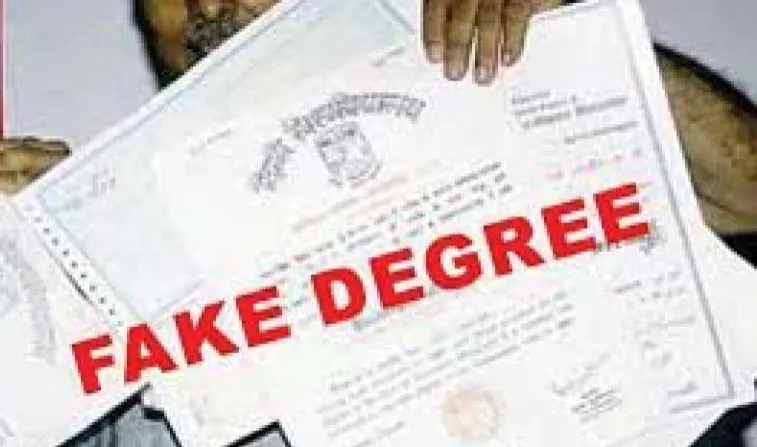
The Allahabad High Court addresses serious concerns over the integrity of legal practice arising from forged academic credentials used for Bar enrolment, granting anticipatory bail while systemic reforms are urged.
- By
- BailNow Research Team
- Published
- Reading time
- 3 min read
On this page
Interim Relief Granted Amidst Deepening Investigation Into Forged Academic Credentials
By Legal Reporter
New Delhi: November 11, 2026:
The integrity of legal practice in India has once again come under intense judicial scrutiny following recent developments at the Allahabad High Court. A bench presided over by Justice Rajiv Lochan Shukla dealt with a series of anticipatory bail applications filed by individuals accused of securing enrolment with the Bar Council of Uttar Pradesh through allegedly forged educational degrees and qualifications. While the court granted interim protection from arrest, the underlying gravity of the allegations exposes systemic vulnerabilities within professional verification frameworks.
The proliferation of fraudulent academic credentials used to gain entry into professional bodies poses a direct threat to the administration of justice. Legal practitioners are officers of the court, entrusted with safeguarding constitutional rights and upholding the rule of law. When individuals bypass rigorous academic standards using manipulated marksheets or fabricated degrees, it undermines public trust and dilutes the professional standards mandated by the Advocates Act, 1961, and regulatory bodies like the Bar Council of India (BCI).
Systemic Vulnerabilities in Professional Enrolment and Verification Protocols
The unfolding legal proceedings highlight persistent gaps in how state bar councils verify educational credentials during the initial enrolment process. Historically, enrolment verification relies heavily on manual cross-checking of provisional certificates, degrees, and marksheets issued by various universities across the country. Criminal elements have capitalized on these administrative bottlenecks, sometimes utilizing advanced digital manipulation—including AI-generated documents—to fabricate educational milestones.
Legal analysts point out that while state bar councils perform administrative checks, they often lack real-time digital integration with university databases to authenticate degrees instantly. This systemic loophole allows unqualified candidates to slip through the cracks, practice law illicitly, and compromise client representation. The Allahabad High Court's intervention underscores the immediate necessity for institutional reforms, mandatory digitization, and centralized verification portals that can cross-reference academic records directly with issuing institutions before provisional or permanent licences are awarded.
Frequently Asked Questions (FAQs)
1. What was the core issue in the Allahabad High Court case?
The case involved multiple applicants seeking anticipatory bail after being accused of obtaining formal legal enrolment with the Bar Council of Uttar Pradesh using allegedly forged or fabricated educational degrees and academic qualifications.
2. What legal relief was provided by the Court?
Justice Rajiv Lochan Shukla's bench granted interim anticipatory bail to the accused individuals, recognizing grounds for preliminary relief while the broader criminal investigation into document forgery and fraud continues.
3. Why is using fake degrees for bar enrolment a serious legal offence?
Securing professional enrolment through fraud attracts severe criminal charges, including forgery for the purpose of cheating (under relevant provisions of the Bharatiya Nyaya Sanhita / Indian Penal Code), and subverts the statutory mandates designed to ensure that only qualified professionals represent litigants in court.
4. What steps can prevent fake enrollees from entering the legal profession?
Experts advocate for the implementation of a centralized, digitized verification system where state bar councils can instantly authenticate degrees directly with universities, alongside stricter background vetting and mandatory digital audit trails for academic transcripts.
Related articles
 Anticipatory Bail
'Internet Wolves Operating in Packs': Delhi High Court Denies Anticipatory Bail to Man Accused of ₹1 Crore Cyber Fraud
The Delhi High Court recently denied anticipatory bail to an accused in a ₹1 crore cyber fraud case, emphasizing the necessity of custodial interrogation to dismantle organized digital crime. This ruling marks a pivotal shift in addressing complex financial scams.
6 min read
 Anticipatory Bail
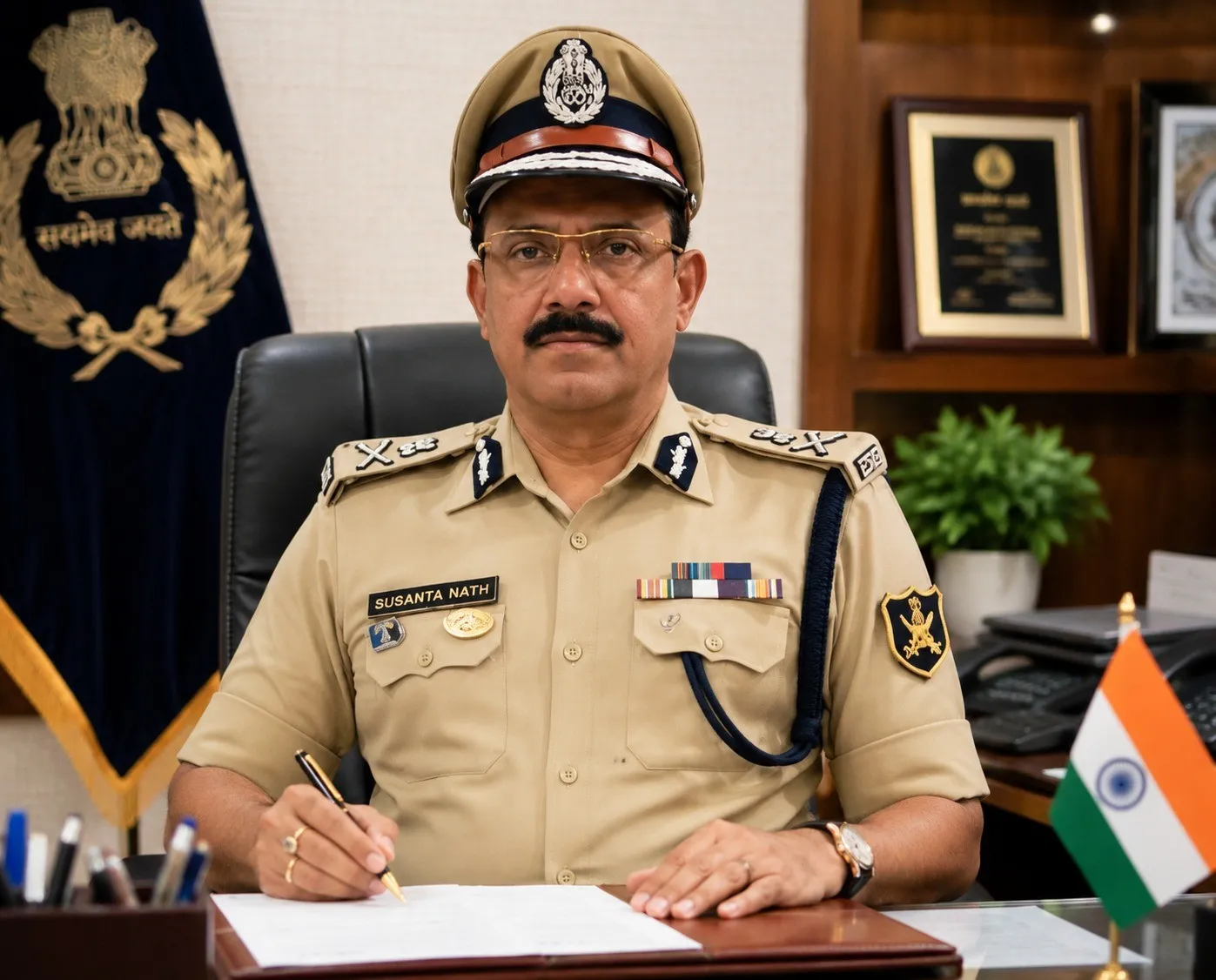
Legal Scrutiny Intensifies: Former Odisha Prisons DG Susant Kumar Nath Seeks Anticipatory Bail in High-Profile Harassment Case
Former Odisha Prisons DG Susant Kumar Nath seeks anticipatory bail from the Orissa High Court amidst serious harassment allegations, spotlighting institutional issues within police administration.
5 min read