Supreme Court Directs Uttar Pradesh to Identify Undertrials Stuck in Jail Despite Bail Due to Financial Constraints
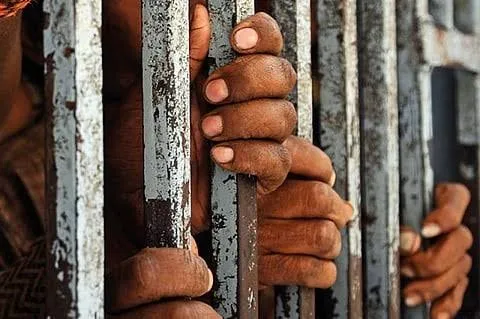
The Supreme Court has directed Uttar Pradesh to identify undertrial prisoners stuck in jail due to inability to meet bail conditions, addressing critical issues in the criminal justice system.
- By
- BailNow Research Team
- Published
- Reading time
- 4 min read
On this page
Breaking Systemic Barriers for Inmates Unable to Furnish Sureties
Ensuring Equal Legal Aid for Private and Legal-Aid Represented Prisoners Across Districts
By Legal Editor
New Delhi: November 11, 2026:
Key Takeaway: The Supreme Court of India has ordered the Uttar Pradesh government and District Legal Services Authorities (DLSAs) to identify and assist undertrial prisoners who remain incarcerated despite securing bail because they cannot afford sureties or fulfill strict monetary conditions.
Why It Matters: This landmark directive addresses deep-seated systemic delays and human rights concerns in India’s criminal justice system, ensuring that poverty and a lack of legal resources do not prolong a person's pre-trial detention.
Introduction: Bridging the Gap Between Freedom on Paper and Reality in Custody
The Supreme Court of India has stepped in to address a critical flaw in the criminal justice system, directing the Uttar Pradesh government to conduct a comprehensive state-wide exercise. The apex court wants authorities to identify all undertrial prisoners who remain behind bars despite securing bail, solely because they cannot fulfill stringent bail conditions or arrange financial sureties.
This intervention highlights a grim reality of India’s prisons: getting a bail order from a court does not automatically guarantee freedom for the economically disadvantaged.
The Core Issue: Freedom on Paper, Captivity in Reality
A bench comprising Justices MM Sundresh and PB Varale issued the directive after reviewing alarming data from a pilot exercise across 20 districts in Uttar Pradesh.
- The Numbers: Out of 264 undertrial prisoners identified across those 20 districts who had already been granted bail, 158 managed to walk free. However, 106 individuals remained incarcerated simply due to their inability to furnish bail bonds or financial sureties.
- The Scale: This sample size covered only a fraction of the state. The Supreme Court noted that a similar verification drive is yet to be carried out across the remaining districts of Uttar Pradesh, suggesting that hundreds more might be suffering the same fate.
Equal Access to Justice: Bridging the Private vs. Legal-Aid Divide
A significant aspect of the Supreme Court's order is its stance on legal representation. The court clarified that the identification and relief process must apply universally, irrespective of whether the undertrial is represented by a private lawyer or through the District Legal Services Authority (DLSA).
“The fact remains that both the categories are similar with respect to non-compliance of the bail conditions imposed. Merely because the private lawyers have been engaged, the assistance from the District Legal Services Authority counsel cannot be denied,” the bench observed.
The judiciary emphasized that proceedings aimed at securing the release of such inmates cannot be treated as adversarial litigation. The primary responsibility of ensuring that bail orders translate to actual physical release rests with the state administration and local legal aid bodies working in tandem.
Judicial Intervention and Next Steps
The apex court has requested trial courts to proactively review cases brought to their attention by DLSAs. Magistrates and judges have been urged to modify onerous bail conditions suitably so that undertrial prisoners can finally secure their release.
This directive stems from ongoing suo motu proceedings concerning systemic prison reforms and the plight of undertrials across India. High bail amounts, strict local surety requirements, and lack of awareness or financial backing often turn bail orders into dead letters for poor families.
Frequently Asked Questions (FAQs)
1. What is an undertrial prisoner?
An undertrial prisoner is a person who is currently detained in jail while undergoing trial or investigation for an alleged offense, and has not yet been convicted by a court of law.
2. Why do prisoners stay in jail even after getting bail?
Many undertrials belong to economically weaker sections. Even after a court grants them bail, they often cannot secure their release because they fail to arrange the required monetary sureties, financial bonds, or local guarantors mandated by the trial court.
3. What has the Supreme Court directed the Uttar Pradesh government to do?
The Supreme Court has ordered the UP government to conduct a comprehensive exercise across all districts to identify every undertrial prisoner who remains jailed despite being granted bail, and to ensure they receive assistance to fulfill their release conditions.
4. Does this relief apply only to prisoners using government legal aid lawyers?
No. The Supreme Court explicitly clarified that this assistance applies to all eligible undertrials, whether they are represented by private counsel or through the District Legal Services Authority (DLSA).
Related articles
 Bail Basics
'Disturbing' Failure of Rule of Law: Supreme Court Pulls Up UP Government Over 1.5-Month Illegal Detention Post-Bail
The Supreme Court has condemned the UP government's failure to release a citizen post-bail and is considering financial compensation for the violation of personal liberty under Article 21.
6 min read
 Bail Basics
News Snacks
This article delves into the pressing issues of undertrial prisoners in India, outlining systemic challenges and the vital role of initiatives like GNLU’s Nyay Abhigam in improving access to justice.
4 min read