MP High Court Denies Bail in Bhopal Bull Slaughter Case, Cites Weapon Seizure and Pending Forensic Report
The Madhya Pradesh High Court dismissed a bail application in a bull slaughter case, emphasizing the implications of seized weapons and pending forensic results on personal liberty.
- By
- BailNow Research Team
- Published
- Reading time
- 5 min read
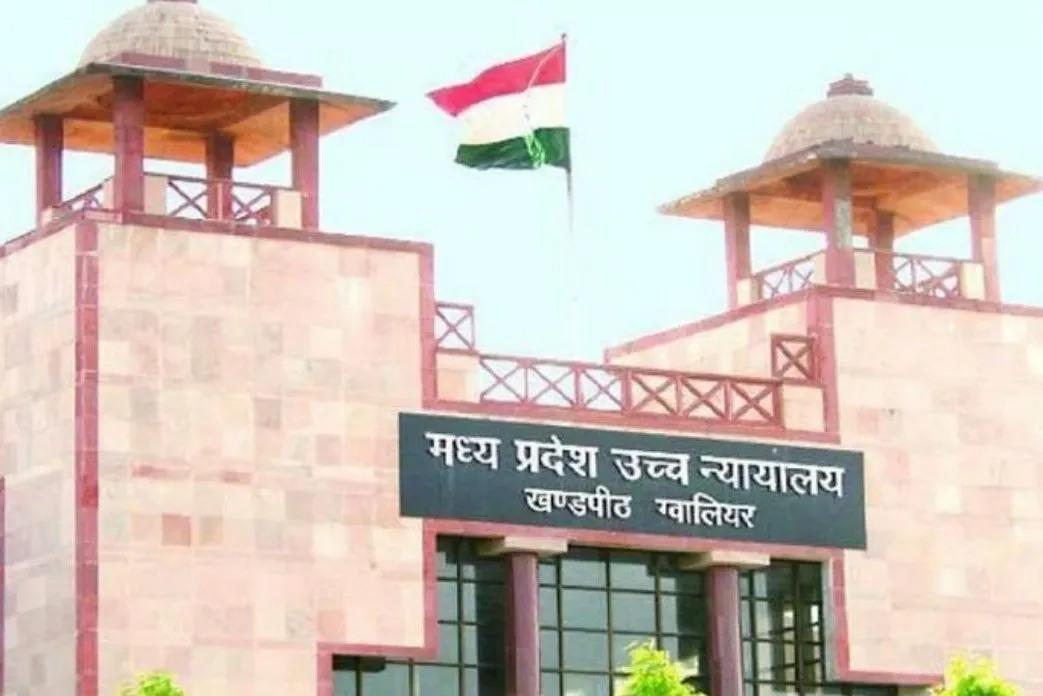
Ruling highlights how strict statutory frameworks in state cattle protection laws interact with bail jurisprudence under the BNSS.
By Legal Reporter
JABALPUR, November 19, 2026: The Madhya Pradesh High Court has rejected the first bail application of an accused booked under state cow protection laws, the Bharatiya Nyaya Sanhita (BNS), and the Arms Act in connection with the alleged shooting and slaughter of a bull near Bhopal. Dismissing the plea under Section 483 of the Bharatiya Nagarik Suraksha Sanhita (BNSS), 2023, a single-judge bench of Justice Vivek Rusia ruled that the gravity of the allegations, recovery of weapons, and awaited forensic findings barred releasing the applicant "at this stage".
The order in Mazhar Khan vs. The State of Madhya Pradesh (MCRC No. 52772 of 2026) stems from an FIR registered at Police Station Nazirabad in Bhopal district following the disappearance of a complainant's brown bull on September 17, 2026. The following morning, remains and bloodstains were discovered near the forest plantation area of Village Sahodra. Based on the memorandum statements of co-accused persons, investigators alleged that Mazhar Khan travelled with the group in a Brezza vehicle, where co-accused Irshad Khan shot the animal with a rifle before the group slaughtered it, transported the meat toward Bhopal, and disposed of remains en route.
Forensic Delays and Seized Weapons Weigh Against Personal Liberty Plea
During the hearing, Senior Advocate Mohammad Ali, appearing for the applicant, argued that Khan was falsely implicated solely on the basis of co-accused disclosures and that the primary allegation of using a firearm rested on Irshad Khan. Emphasising that the charge sheet had already been filed, the investigation was complete, and Khan had no prior criminal record, the defence contended that continued detention since September 28, 2026, infringed upon his fundamental right to personal liberty under Article 21 of the Constitution.
However, Government Advocate Anubhav Jain countered the plea by pointing to specific physical recoveries and strict statutory thresholds. While police seized a .30-bore rifle from a Scorpio linked to co-accused Irshad, an iron knife was recovered directly from Khan's possession inside the Brezza. Crucially, biological samples—including animal faeces, blood-stained soil, grass, and bone-like fragments collected from the scene—were sent to the Centre for Cellular and Molecular Biology (CCMB) in Hyderabad for DNA and forensic verification, with the report still pending.
Justice Rusia observed that Khan was allegedly travelling in the vehicle used to transport the slaughtered animal and noted the direct seizure of the iron knife from him. Balancing the stage of forensic scrutiny against the accused's plea for liberty, the Court held that the material collected during the investigation required due consideration and declined bail.
Reverse Burden Under State Law Complicates Bail Thresholds
From a legal standpoint, the ruling highlights how strict statutory frameworks in state cattle protection laws interact with bail jurisprudence under the BNSS. The accused faces charges under Sections 4, 6, and 9 of the Madhya Pradesh Govansh Vadh Pratishedh Adhiniyam, 2004 (prohibiting slaughter and transport of cow progeny), alongside Section 325 of the BNS, 2023 (mischief by killing or maiming an animal) and Sections 25 and 27 of the Arms Act.
During arguments, the State invoked Section 13A of the 2004 Act, which shifts the burden of proof onto the accused once the prosecution establishes prima facie evidence. The State also cited the Supreme Court's landmark ruling in Animal Welfare Board of India vs. A. Nagaraja (2014) to underscore constitutional protections extending to animal dignity. By explicitly qualifying its refusal with the phrase "at this stage," the High Court has kept the door open for the defence to renew its bail request once the CCMB laboratory findings are placed on record.
Frequently Asked Questions (FAQs)
1. Why did the Madhya Pradesh High Court reject Mazhar Khan’s bail application? Justice Vivek Rusia dismissed the bail plea due to the gravity of the alleged offences, the recovery of an iron knife from the applicant's possession, his alleged presence in the vehicle used to transport the meat, and the fact that forensic test results from CCMB Hyderabad are still awaited.
2. What legal provisions are invoked in this Bhopal bull slaughter case? The FIR includes charges under Sections 4, 6, and 9 of the Madhya Pradesh Govansh Vadh Pratishedh Adhiniyam, 2004, Section 325 of the Bharatiya Nyaya Sanhita (BNS), 2023, and Sections 25 and 27 of the Arms Act. The bail application was filed under Section 483 of the BNSS, 2023.
3. What is Section 13A of the Madhya Pradesh Govansh Vadh Pratishedh Adhiniyam, 2004? Section 13A places a reverse burden of proof on the accused. Once the prosecution presents prima facie evidence of an offence under the Act, the accused must prove that they did not commit the alleged violation.
4. Can the accused apply for bail again in the future? Yes. Because the High Court dismissed the application "at this stage" without adjudicating final guilt, the accused retains the legal right to file a fresh bail application once the pending forensic report from CCMB Hyderabad is submitted to the trial court.
Related articles
 Bail Basics
News Snacks
This article examines the erosion of legal deterrence in India through celebratory bails and social media, highlighting a significant incident in Satna. It underscores the impact on witness protection and judicial integrity.
4 min read
 Bail Basics
Supreme Court Clarifies Judicial Boundaries: High Courts Cannot Direct Trial Courts to Grant Regular Bail on Preset Conditions While Rejecting Anticipatory Bail
The Supreme Court has clarified the limits of High Court powers during bail proceedings, emphasizing that trial courts must retain independent discretion in granting bail. This landmark ruling restores judicial balance within the Indian criminal justice system.
7 min read