MP High Court Denies Bail to Former Judge Giribala Singh in Twisha Sharma Death Case: Key Evidence Awaited
The MP High Court denied bail to former judge Giribala Singh in the Twisha Sharma death case, emphasizing the need for pending forensic reports amid serious allegations.
- By
- BailNow Research Team
- Published
- Reading time
- 6 min read
On this page
Pending forensic reports, digital data extractions from the victim’s iPhone, and allegations of influencing witnesses prompted the Madhya Pradesh High Court to reject the bail plea.
The high-profile case, transferred to the CBI due to initial investigation lapses, highlights severe allegations of dowry harassment and pregnancy termination pressure.
By Legal Editor
New Delhi: November 05, 2026:
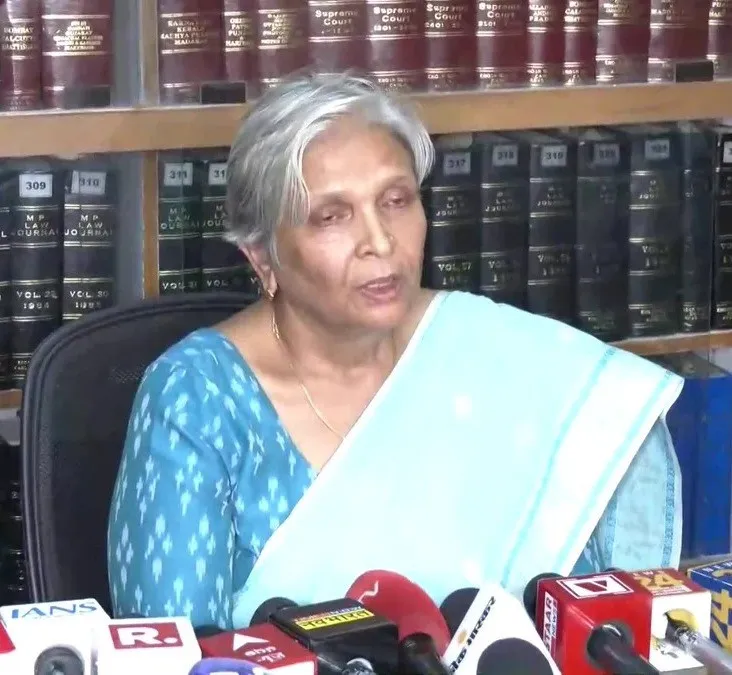
The legal battle surrounding the tragic death of model and actor Twisha Sharma has intensified significantly. In a crucial development, the Madhya Pradesh High Court has officially rejected the regular bail application filed by former judge Giribala Singh.
Twisha Sharma was found dead under mysterious circumstances at her marital home in Bhopal on May 12, merely five months after her marriage to lawyer Samarth Singh. The case, which initially faced allegations of local investigative lapses, was subsequently handed over to the Central Bureau of Investigation (CBI) to ensure a fair and thorough probe.
Presiding over the matter, Justice Ajay Kumar Nirankari explicitly stated that the court was not inclined to grant bail at this delicate stage of the proceedings. The decision highlights the gravity of the allegations, ongoing investigations under Section 193(9) of the Bharatiya Nagarik Suraksha Sanhita (BNSS), and critical forensic reports that are yet to be finalized.
Background of the Case: From Bhopal to the CBI
The sequence of events leading up to this high-profile legal battle dates back to May 12, when Twisha Sharma—a young model and actor with a promising career—was discovered dead at her matrimonial residence in Bhopal.
Following her death, Twisha’s grieving family levelled serious allegations against her husband, Samarth Singh, and her mother-in-law, former judge Giribala Singh. According to the family's complaints, Twisha had been subjected to relentless harassment over dowry demands and immense pressure to terminate her pregnancy.
Due to perceived local interference and initial lapses in handling the investigation, the case was transferred to the Central Bureau of Investigation (CBI). The Supreme Court and various judicial forums have since closely monitored the trajectory of the probe, with the CBI consistently raising concerns that the accused—owing to her judicial background—could potentially influence witnesses or tamper with evidence if released.
Grounds for Bail Rejection by the MP High Court
During the recent hearings, Giribala Singh’s defence counsel argued that the applicant lacked any direct criminal intent and should be granted regular bail. However, the Madhya Pradesh High Court dismantled this argument, emphasizing that the question of criminal intent cannot be examined in isolation from the broader mass of evidence piling up in the case diary.
The High Court's refusal to grant relief was anchored on several critical factors:
1. Pending Digital Data Extraction
The court noted that technical investigations are far from complete. Specifically, data extraction from the victim's primary mobile device—her iPhone—is still awaited. Investigators believe that the phone's contents could unlock vital digital footprints, illuminating the immediate triggers behind Twisha's death and identifying potential additional witnesses.
2. Forensic Examination of CCTV Footage
Crucial CCTV footage recovered from the accused's residence has been dispatched to the Central Forensic Science Laboratory (CFSL) in New Delhi. The primary objective is to verify the authenticity and absolute continuity of the video recordings. The court stressed that any indication of data tampering or alteration would necessitate an even deeper probe.
3. Allegations of Influencing Witnesses
Material surfaced in the official case diary indicating that after the tragic incident occurred, Giribala Singh allegedly reached out to several influential individuals. The High Court observed that these communications and the circumstances surrounding them require strict judicial examination during the trial.
4. Comprehensive Evaluation of Preceding Circumstances
The bench reviewed a compilation of evidence, including:
- WhatsApp conversations between Twisha and her family members in the moments leading up to her death.
- Post-mortem examination reports.
- The physical circumstances and positioning in which the body was discovered.
- The subsequent conduct of the accused persons.
The court concluded that these elements collectively point towards the necessity of keeping the accused in custody while the CBI wraps up its pending investigative leads.
Detailed Timeline of Events
Date / Phase | Event / Milestone |
|---|---|
December (Prior Year) | Twisha Sharma marries lawyer Samarth Singh. |
May 12 | Twisha is found dead at her marital home in Bhopal; family alleges dowry harassment and pregnancy termination pressure. |
Investigation Phase | Allegations of local police lapses prompt the transfer of the case to the Central Bureau of Investigation (CBI). |
Recent Proceedings | Supreme Court and High Court monitor proceedings; CBI flags potential witness tampering risks. |
November 4 | Justice Ajay Kumar Nirankari of the MP High Court officially rejects Giribala Singh’s bail plea, citing pending forensic and iPhone extraction reports. |
Broader Legal and Social Implications
This case has triggered intense public and legal discourse across India regarding accountability within the justice system when individuals with legal or judicial backgrounds face criminal charges.
- Judicial Accountability: The involvement of a former judge adds a layer of systemic sensitivity, reinforcing the judiciary’s stance that the rule of law applies uniformly, regardless of an individual's past professional standing.
- Digital Forensics in Criminal Trials: The reliance on iPhone data extraction and CFSL video authentication underscores how modern criminal investigations depend heavily on digital evidence to reconstruct timelines and establish culpability.
- Protection of Witnesses: The CBI's persistent arguments regarding the risk of witness intimidation highlight the vital need for robust witness protection frameworks in high-stakes matrimonial dispute cases involving influential families.
Frequently Asked Questions (FAQs)
1. Who is Giribala Singh, and why was she arrested?
Giribala Singh is a former judge whose daughter-in-law, model and actor Twisha Sharma, was found dead at her Bhopal residence on May 12. She was implicated alongside her son (Twisha's husband, Samarth Singh) following allegations of dowry harassment and coercion.
2. Why did the Madhya Pradesh High Court reject her bail application?
The High Court denied bail primarily because key forensic reports and digital data extractions (including data from Twisha's iPhone and CFSL analysis of CCTV footage) are still pending. The court also noted evidence suggesting the applicant attempted to contact influential persons after the incident.
3. Why is the CBI investigating this case?
The investigation was handed over to the Central Bureau of Investigation (CBI) following allegations from the victim's family regarding local investigative lapses and potential bias in the initial handling of the case.
4. What evidence is currently being awaited by the court?
Investigators and the court are awaiting the complete data extraction report from Twisha’s iPhone and the final forensic evaluation report of the residence's CCTV footage sent to the CFSL in New Delhi.
5. What are the primary charges against the accused in the Twisha Sharma case?
The case involves allegations under provisions related to dowry harassment, cruelty by husband or relatives, and pressure surrounding the termination of pregnancy, leading to unnatural death under suspicious circumstances at her marital home.
Related articles
 Case Analysis
News Snacks
The Allahabad High Court recently denied post-conviction bail to key figures in a high-profile conversion case while granting it to eight others, highlighting the differentiation of individual roles and charges involved.
5 min read
 Case Analysis
News Snacks
This article analyzes the Kanpur hit-and-run case, examining how murder charges were dropped in favor of culpable homicide and the implications for bail procedures in such incidents.
4 min read