Mumbai Anti-Conversion Law Tested: Jogeshwari Man Seeks Bail, Cites Special Marriage Act
In a landmark case in Mumbai, a man seeks anticipatory bail, arguing his interfaith marriage is protected under the Special Marriage Act, challenging the Maharashtra anti-conversion law.
- By
- BailNow Research Team
- Published
- Reading time
- 5 min read
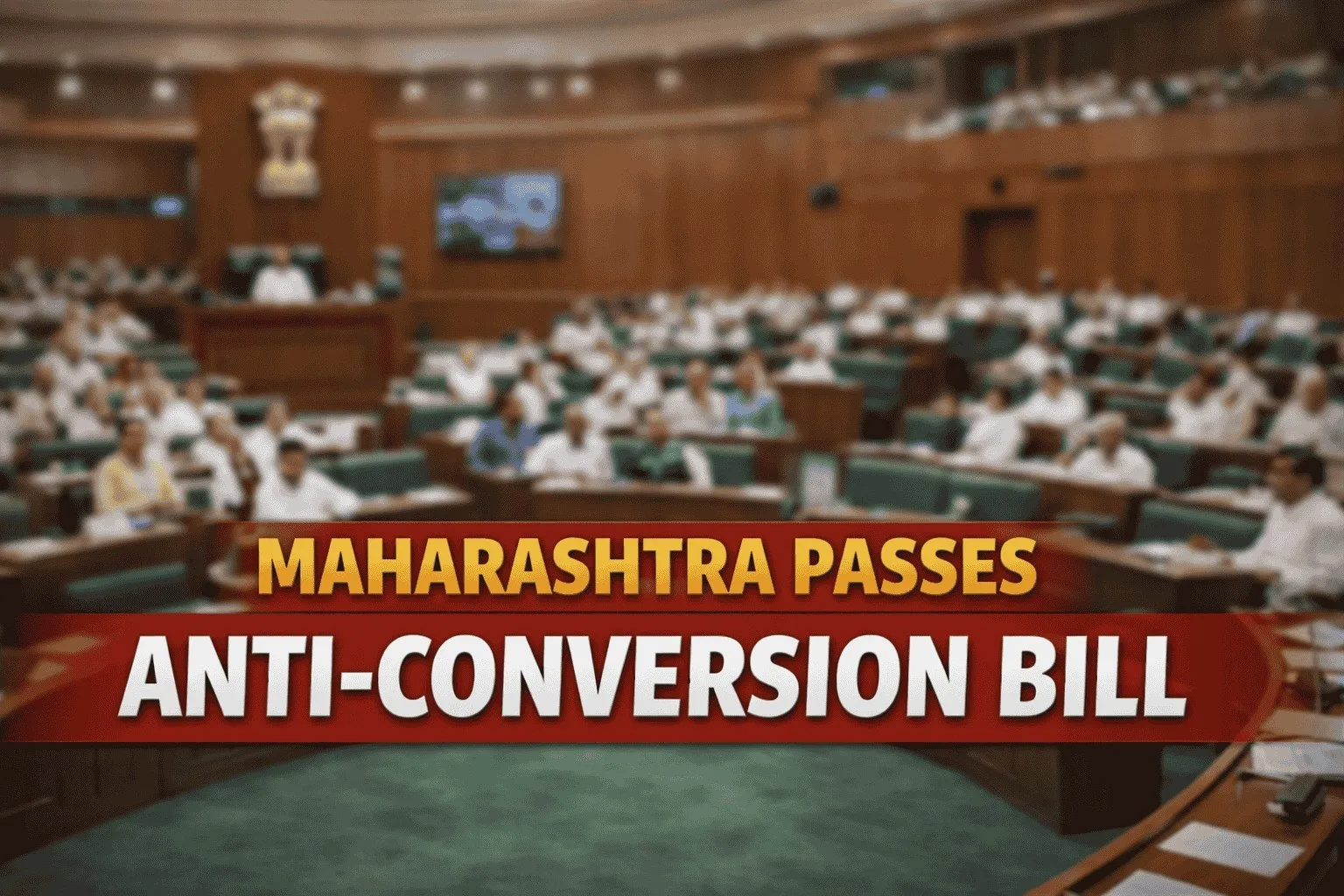
In the first case registered in Mumbai under the Maharashtra Freedom of Religion Act, a 26-year-old contends that his court marriage involved no unlawful religious conversion.
As the prosecution presents an invitation card alleging a Nikah, the 22-year-old woman backs the bail plea in court, setting up a critical legal test for interfaith unions.
By Legal Reporter
MUMBAI: November 18, 2026:
A legal battle unfolding in a Mumbai court has become the first major judicial test of the Maharashtra Freedom of Religion Act in the city, pitting allegations of unlawful religious conversion against the statutory protections of the Special Marriage Act, 1954.
As a 26-year-old Jogeshwari man seeks anticipatory bail in Mumbai’s first case registered under the Maharashtra Freedom of Religion Act, a crucial legal clash emerges between secular civil unions and state anti-conversion provisions.
Mumbai’s courts are witnessing a landmark legal test following the registration of the city’s first Information Report (FIR) under the Maharashtra Freedom of Religion Act. A 26-year-old resident of Jogeshwari has approached the court seeking anticipatory bail, contending that his marriage to a 22-year-old woman was solemnised under the Special Marriage Act, 1954—a secular legislation designed specifically for interfaith unions that requires no religious conversion.
According to court proceedings reported by The Times of India, the case originated from a complaint filed by the woman’s mother. The complainant alleged that the man promised to marry her daughter on the condition that she "accept Islam." However, the legal narrative shifted significantly when the 22-year-old woman—an adult in the eyes of the law—appeared in court personally. She stated on record that no Nikah (Islamic marriage ceremony) had taken place and explicitly informed the bench that she had no objection to the man being granted pre-arrest bail.
The Evidentiary Tug-of-War in Mumbai’s Courts
At the heart of the anticipatory bail hearing is a sharp dispute over factual evidence versus statutory assumptions. During the proceedings, advocate Abhishek Dubey placed photographs and a wedding invitation card before the court to argue that a traditional Nikah had indeed been performed, implying an underlying religious conversion.
Conversely, the applicant’s counsel, advocate Karim Pathan, countered that the prosecution's case rests entirely on speculative assumptions drawn from an invitation card rather than substantive proof of unlawful conversion. The timeline presented in the bail plea highlights the complexities typical of interfaith disputes in urban India:
- 2022–2026: The couple had known each other since 2022 and stayed in contact after the woman’s father passed away. Her family relocated to Virar in May 2026.
- October 18, 2026: The woman left her Virar residence after informing her mother she was heading out for decoration work. When she failed to return, her mother approached the Virar Police Station, suspecting abduction.
- October 20, 2026: Two days later, the woman contacted her mother and shared a photograph of a valid court marriage certificate issued at Bandra, confirming her union with the Jogeshwari resident.
Furthermore, the defence highlighted that the woman had already appeared before police authorities to record a voluntary statement affirming that she married of her own free will, without coercion or pressure, and was residing with her husband in Goregaon. Pending verification of the case diary with the investigating officer, the court adjourned the matter for further hearing.
Legal Implications: Secular Civil Unions Under Scrutiny
The Jogeshwari case underscores a growing friction in Indian jurisprudence: the intersection of state-level anti-conversion statutes and central secular laws. Enacted to facilitate marriages across religious lines without requiring either partner to renounce their faith, the Special Marriage Act operates on the foundational principle of individual autonomy under Article 21 of the Constitution of India.
When an adult woman voluntarily enters a civil marriage registered before a Marriage Officer—such as the one solemnised in Bandra—the legal presumption favours consensual union rather than religious conversion. Legal analysts note that invoking anti-conversion provisions in cases backed by a Special Marriage Act certificate sets a critical precedent for Mumbai and Maharashtra. If courts determine that documentary proof of a secular court marriage supersedes peripheral claims of religious ceremonies, it could establish an early judicial safeguard against the misapplication of the Maharashtra Freedom of Religion Act in consensual interfaith relationships.
Frequently Asked Questions (FAQs)
What is the core legal argument in the Jogeshwari anticipatory bail plea? The 26-year-old applicant argues that his marriage to the 22-year-old woman was legally registered under the Special Marriage Act at Bandra, meaning no religious conversion took place and the Maharashtra Freedom of Religion Act does not apply.
Does the Special Marriage Act require either partner to convert? No. The Special Marriage Act, 1954 is a secular Indian law specifically created to allow individuals of different faiths to marry legally without changing their religion.
What did the woman tell the court during the Mumbai hearing? The 22-year-old woman appeared in court and stated that no Nikah was performed, confirmed she married voluntarily without coercion, and stated she had no objection to the court granting anticipatory bail to her husband.
Why did the police initially register a case? The woman’s mother initially approached the Virar Police Station suspecting abduction when her daughter did not return home on October 18, 2026, and subsequently filed a complaint alleging her daughter was pressured to convert for marriage.
Related articles
 Anticipatory Bail
Telangana High Court Hearing: Police Oppose Bail for Padmaja Fertility Centre Owner in Hyderabad Egg Racket Probe
The Telangana High Court deliberates on an anticipatory bail plea for Dr. Padmaja Pala, linked to an unauthorized egg donation racket. The case raises critical issues surrounding medical ethics and regulatory compliance in fertility practices.
5 min read
 Anticipatory Bail
J&K High Court Denies Bail in Alleged JKLF Revival Case, Citing Unexamined Witnesses
The J&K High Court dismissed bail appeals for two accused in the JKLF revival case, emphasizing unexamined witnesses and serious charges under UAPA, while allowing future applications after witness testimonies.
5 min read