News Snacks
The Supreme Court of India has cancelled the anticipatory bail of IPS officer Srinath M. Joshi in a major corruption case, emphasizing accountability within law enforcement.
- By
- BailNow Research Team
- Published
- Reading time
- 4 min read
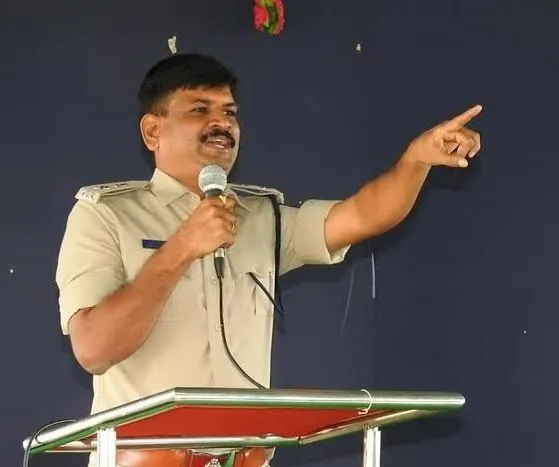
Supreme Court Cancels Anticipatory Bail of IPS Officer Srinath M Joshi in Lokayukta Extortion Case
Bench Highlights Grave Irony of Corruption Within Anti-Corruption Framework, Directing Surrender Within Three Weeks
Investigators Uncover Complex Web Involving Dismissed Constables, Digital Chats, and Suspected Cryptocurrency Trails
By Legal Reporter
New Delhi: November 01, 2026:
In a significant legal development addressing accountability within law enforcement agencies, the Supreme Court of India cancelled the anticipatory bail granted to Indian Police Service (IPS) officer Srinath M. Joshi. Joshi, who previously served as the Superintendent of Police for the Karnataka Lokayukta (Bengaluru City-1 division), is embroiled in a high-profile extortion racket case.
A bench comprising Justices Sanjay Kumar and Sanjeev Sachdeva allowed the special leave petition filed by the Karnataka Lokayukta, setting aside the previous relief granted by the High Court and ordering the senior police officer to surrender within three weeks.
The Genesis of the Case: Abuse of Office and Extortion Allegations
The case traces back to an FIR registered under the Prevention of Corruption Act, centering on a criminal enterprise that allegedly targeted government officials, including personnel from the Excise Department. According to investigators, the primary accused—Ningappa Savant (also known as Ningappa Savantha), a former police constable dismissed from service—ran an extortion ring by invoking the name and authority of the Lokayukta. Victims were routinely threatened with impending anti-corruption raids or inquiries unless they paid substantial sums of money.
During the proceedings, Advocate Vikram Hegde, representing the Lokayukta, submitted that exhaustive digital evidence established constant contact between IPS officer Srinath M. Joshi and the dismissed constable. Investigators pointed out that high-ranking positions were allegedly leveraged to shield the operations and target specific bureaucrats or public servants. The gravity of the allegations intensified when prosecution counsel highlighted records indicating that portions of the extorted proceeds were allegedly channelled into digital assets and cryptocurrencies via multiple wallets.
Judicial Scrutiny: "Uniformed Officers Cannot Claim Parity"
The Supreme Court expressed severe reservations regarding the conduct of an officer entrusted with anti-corruption duties. Underscoring the unique responsibility held by individuals in uniform, the bench remarked that a senior police official holding the rank of Superintendent of Police cannot claim parity with a layman when facing grave charges of systemic betrayal.
When pressed by the bench regarding suspicious acronyms and cryptic chat terms—such as "K G"—discovered in communication logs between Joshi and the primary accused, defence counsel failed to provide a satisfactory explanation. The apex court firmly noted that such questionable conduct from an official in an elite anti-corruption institution strikes at the root of public trust and cannot be tolerated.
The ruling effectively strips Joshi of pre-arrest legal protection, compelling him to submit to custodial interrogation as investigators dive deeper into the financial trails and institutional lapses associated with the network.
Frequently Asked Questions (FAQs)
Q1: Who is IPS officer Srinath M. Joshi and what was his role in the Lokayukta?
A: Srinath M. Joshi is a 2012-batch Karnataka-cadre IPS officer who entered the service through promotion from the State Police Service. At the time the allegations surfaced, he was serving as the Superintendent of Police for the Karnataka Lokayukta’s Bengaluru City-1 division. He was subsequently removed from his Lokayukta assignment.
Q2: Why did the Supreme Court cancel his anticipatory bail?
A: The Supreme Court cancelled his anticipatory bail following an appeal by the Karnataka Lokayukta, which presented evidence of continuous communication between Joshi and the prime accused, dismissed constable Ningappa Savant. The court emphasized the severity of corruption charges within an anti-corruption body and noted that a uniformed officer of high rank cannot expect lenient parity during investigations into grave abuse of power.
Q3: What are the specific allegations regarding financial misconduct?
A: Investigators alleged that money extorted from various government officials under the threat of Lokayukta raids was funneled into digital assets, with tracks pointing toward investments in cryptocurrencies managed through multiple digital wallets.
Q4: What happens next following the Supreme Court's order?
A: With the anticipatory bail set aside, Srinath M. Joshi has been directed by the apex court to surrender to the police within three weeks, enabling the investigating agency to proceed with custodial interrogation and comprehensive legal proceedings.
Related articles
 Anticipatory Bail
News Snacks
The Supreme Court of India has overruled an anticipatory bail granted to an IPS officer in a Lokayukta corruption case, underscoring the need for thorough inquiry and accountability.
4 min read
 Anticipatory Bail
Supreme Court Slams Misuse of Criminal Law: Civil Commercial Disputes Cannot Be Weaponized to Force Debt Recovery
The Supreme Court of India rules against the misuse of criminal law for civil disputes, reinforcing the sanctity of personal liberty and proper use of anticipatory bail.
7 min read