BailNow.in News Snack
Jaggi Johal, a Scottish national, was released from Tihar Jail 13 days after being granted bail in UAPA cases following a habeas corpus petition ruling his detention unlawful.
- By
- BailNow Research Team
- Published
- Reading time
- 3 min read
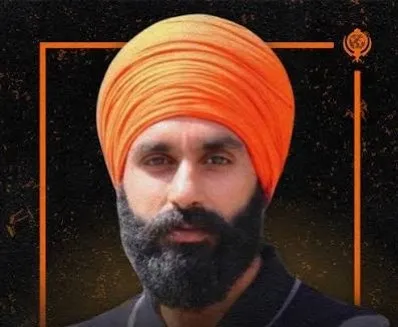
Jaggi Johal Released from Tihar Jail 13 Days After Bail
Delhi High Court orders release after habeas corpus plea, calling prolonged detention unlawful.
Scottish national spent nearly nine years in custody over UAPA cases tied to targeted killings in Punjab.
By Legal Reporter
New Delhi: October 03, 2026:
Scottish national Jagjit Singh Johal, also known as Jaggi Johal, has finally walked out of Delhi’s Tihar Jail—13 days after being granted bail in all seven UAPA cases linked to targeted killings in Punjab. His release came only after his lawyers filed a habeas corpus petition in the Delhi High Court, which termed his continued detention illegal.
Case Background
- Accused: Jagjit Singh Johal (alias Jaggi Johal), resident of Dumbarton, Scotland.
- Arrest Date: November 2017, days after his wedding in India.
- Charges: Eight cases under the Unlawful Activities (Prevention) Act (UAPA), linked to targeted killings of Hindu leaders in Punjab (2016–2017).
- Allegations: Member of Khalistan Liberation Force (KLF), accused of funding terrorist activities and coordinating killings of RSS and Hindu outfit leaders.
- Acquittal: Cleared in one case by Moga District Court in March 2025.
- Campaigns: His detention sparked international advocacy, including the UK-based #FreeJaggiNow campaign.
Legal Timeline
- September 18, 2026: Delhi High Court grants bail in all seven pending cases.
- September 19, 2026: Bail bonds furnished.
- September 28, 2026: Special NIA court approves bonds and issues release orders.
- Delay: Tihar Jail authorities cited a Central Government notification under Section 268 CrPC to with old release.
- October 2, 2026: Delhi High Court orders immediate release after habeas corpus petition.
Legal Significance
- Judicial Oversight: Highlights the importance of habeas corpus in protecting liberty against unlawful detention.
- UAPA Bail Challenges: Demonstrates how bail under UAPA often faces procedural hurdles despite court orders.
- International Attention: Case has drawn scrutiny from UK lawmakers and human rights groups, raising questions about India’s handling of political prisoners.
FAQs
Q1: Why was Jaggi Johal arrested?
He was accused of funding and facilitating targeted killings in Punjab as part of the Khalistan Liberation Force.
Q2: Why did his release take 13 days after bail?
Despite bail orders, jail authorities cited a government notification under Section 268 CrPC. His lawyers had to file a habeas corpus petition to secure release.
Q3: Does bail mean acquittal?
No. Bail only allows temporary release during trial; charges remain pending.
Q4: How long was he in custody?
Nearly nine years (Nov 2017 – Oct 2026).
Q5: Why is this case significant internationally?
Johal is a UK citizen, and his prolonged detention has been criticized by British MPs and rights groups, making it a diplomatic issue.
Johal’s release marks a major turning point in a high-profile UAPA case, underscoring the judiciary’s role in safeguarding liberty against procedural delays. It also highlights the tension between India’s anti-terror laws and international human rights concerns.
Related articles
 UAPA Bail
BailNow.in News Snacks
The Delhi High Court grants bail to Mohammad Saqib, held under UAPA for nearly eight years, citing prolonged detention and peripheral role in charges.
3 min read
 UAPA Bail
BailNow.in News Snacks
The Delhi High Court has denied bail to Umar Khalid and Sharjeel Imam in the 2020 riots case, adhering to Supreme Court directives concerning UAPA conditions.
3 min read