News Snacks
This article delves into the accountability issues surrounding the Kerala Mercedes hit-and-run case, exploring juvenile culpability, parental liability, and the implications of anticipatory bail.
- By
- BailNow Research Team
- Published
- Reading time
- 5 min read
Accountability at the Crossroads: The Legal and Systemic Fallout of the Kerala Mercedes Hit-And-Run Case
The Collateral Crisis: Examining Juvenile Culpability, Parental Liability, and Judicial Accountability
State Response and Legislative Pushback: Why the Kerala Government is Challenging the Anticipatory Bail
By Legal Reporter
New Delhi: October 31, 2026:
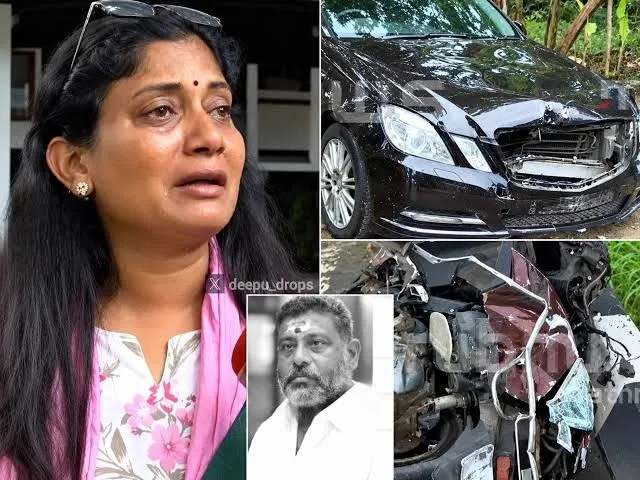
The tragic hit-and-run accident in Kochi, involving a luxury Mercedes-Benz registered in the name of a judicial officer and allegedly driven by his minor son, has snowballed into a major legal and institutional crisis in Kerala. The incident—which claimed the life of 55-year-old Jayabalakrishnan in the early hours of a Sunday—has triggered intense public outrage, serious allegations of preferential treatment, and an assertive pushback from the state government.
With Kerala Home Minister Ramesh Chennithala publicly declaring that the government will move a higher court to challenge the anticipatory bail granted to the judicial officer, the case transcends a standard traffic tragedy. It has ignited an analytical discourse on systemic accountability, the enforcement of juvenile laws, and the complex ethical boundaries when those within the justice system find themselves on the wrong side of the law.
Anatomy of the Incident and Immediate Fallout
The fatal crash occurred in the Cheranalloor area of Kochi, where Jayabalakrishnan, a resident of South Chittoor, was struck and killed instantly while riding his two-wheeler. Initial investigative findings revealed that the high-end vehicle was registered under the name of an Additional District and Sessions Judge. Eyewitness accounts, family testimonies, and preliminary police disclosures indicated that the vehicle was being driven by the judge's 17-year-old son.
The case immediately drew public scrutiny due to procedural controversies surrounding the initial handling of the case by local law enforcement at the Ernakulam station. Allegations of evidence tampering, delayed stringent actions, and preferential handling prompted the state administration to intervene decisively. In response to mounting public pressure and legislative debate, the Kerala government transferred the Kochi police chief and initiated disciplinary proceedings against local officers deemed complicit or negligent.
Legal Dimensions: Juvenile Driving, Parental Culpability, and Bail Dynamics
From an analytical standpoint, the case highlights several critical vulnerabilities within Indian road safety and criminal jurisprudence:
- The Loophole of Minor Driving and Parental Liability: Under the Motor Vehicles Act, vehicle owners and parents bear direct culpability if a minor is permitted to operate a motor vehicle without a valid license. Reports that the teenager allegedly learned driving via online tutorials like YouTube—coupled with cleaned-up social media handles showing high-speed driving—bring parental supervision and modern digital influences under heavy scrutiny.
- Judicial Officer Accountability and Pre-Arrest Bail: The Kerala High Court granted anticipatory bail to the judge, noting that a judicial officer would cooperate with the investigation and questioning the necessity of a custodial arrest after extensive preliminary interrogations. However, this decision has faced sharp criticism from civil society and state leadership, who argue that pre-arrest relief creates an optics crisis, potentially implying a two-tier justice system where individuals in positions of authority receive expedited leniency.
- The Prosecution's Appeal Strategy: The state government’s resolve to approach a higher court to cancel the bail underscores an institutional friction. By asserting that the prosecution is taking the matter "very seriously," the executive branch is attempting to restore public trust in the state's commitment to equal justice before the law.
Frequently Asked Questions (FAQs)
Q1: What led to the controversy surrounding the Kerala Mercedes hit-and-run case?
A: The controversy intensified because the luxury vehicle involved in the fatal crash was registered in the name of a judicial officer, and it was allegedly being driven by his minor son. Public and political outrage grew over initial local police laxity, allegations of evidence tampering, and the subsequent granting of anticipatory bail to the judge, which critics argued reflected preferential treatment.
Q2: What legal actions is the Kerala government taking in response?
A: Kerala Home Minister Ramesh Chennithala has confirmed that the state government and prosecution will challenge the anticipatory bail granted to the judge in a higher court. Additionally, the state has transferred Kochi's police chief, initiated action against local officers for procedural lapses, and pursued strict legal steps under the Motor Vehicles Act and relevant penal codes.
Q3: What are the charges against the juvenile driver and his guardian?
A: A case has been registered under provisions relating to causing death by negligence (such as Section 106 of the Bharatiya Nyaya Sanhita) and relevant sections of the Motor Vehicles Act. Because the driver was a minor, the vehicle's owner and guardian face legal culpability for allowing an unlicensed adolescent to operate the automobile.
Q4: How has the judiciary's involvement affected public perception?
A: The involvement of a sitting judicial officer has sparked intense debates regarding systemic bias and institutional integrity. While the courts maintain that judicial officers are entitled to due process and cooperation with probes, critics and the victim's family argue that swift bail processes risk undermining public confidence in an impartial justice delivery mechanism.
Related articles
 Regular Bail
News Snacks
The Chhattisgarh High Court grants bail to Ramgopal Agrawal in a significant ₹3,200 crore liquor syndicate case, amidst ongoing investigations under PMLA.
4 min read
 Regular Bail
News Snacks
This article examines the significant Supreme Court ruling that cancelled bail in the Mandangi murder case, highlighting judicial scrutiny and the pursuit of justice over 16 years.
4 min read