News Snacks
KSU leaders, Raymond Kharjana and Reuben Najiar, have been granted bail after months in detention, signaling a pivotal moment for student activism and civil liberties in Meghalaya.
- By
- BailNow Research Team
- Published
- Reading time
- 4 min read

On this page
Leadership Rebound: KSU President and General Secretary Walk Free on Bail After Months in Detention
Legal Turning Point: East Khasi Hills Court Grants Relief Following August 19 Unrest
Grassroots Mobilization: Supporters Rally in Shillong as Student Body Vows to Revive Agendas
By Legal Reporter
New Delhi: October 24, 2026:
The release on bail of Khasi Students’ Union (KSU) President Raymond Kharjana and General Secretary Reuben Najiar from the Shillong District Jail marks a significant juncture in the ongoing political and social dynamics of Meghalaya. Detained since August 19 following violent clashes that erupted in the wake of a KSU-organized black-flag rally, the two student leaders stepped out to a massive gathering of supporters who escorted them in a procession from Motphran to the union’s headquarters in Jaiaw.
This development brings immediate legal relief to the organization's top tier, but it also reopens critical conversations surrounding civil liberties, youth agitation, and the friction between student activism and public order in the state.
Analytical Overview: Legal Implications and Organizational Re-engagement
The return of Kharjana and Najiar introduces a complex layer to student politics in Meghalaya. From an analytical perspective, their release under conditions set by the District and Sessions Court of East Khasi Hills allows the union to re-establish centralized leadership. During their months-long detention, the KSU faced a leadership vacuum during a period of heightened sensitivity regarding regional demands.
Upon his release, General Secretary Reuben Najiar explicitly denied the union’s direct involvement in the August 19 violence, framing the unrest as an unfortunate derailment of what was intended to be a peaceful demonstration. However, the state administration and law enforcement agencies maintain that leadership accountability remains tied to the consequences of large-scale mobilizations. Moving forward, the union faces the dual challenge of pursuing its advocacy while strictly navigating the legal boundaries mandated by the court to avoid further penal complications.
Furthermore, Najiar’s immediate pivot back to core institutional demands—specifically targeting issues concerning Shree Cement, the North Eastern Indira Gandhi Regional Institute of Health and Medical Sciences (NEIGRIHMS), and comprehensive recruitment reforms—indicates that the KSU's core ideological stance remains unchanged. By keeping these economic and structural grievances at the forefront, the leadership aims to redirect public and governmental attention back to regional employment, corporate accountability, and healthcare governance.
Frequently Asked Questions (FAQs)
1. Who are Raymond Kharjana and Reuben Najiar?
Raymond Kharjana is the President and Reuben Najiar is the General Secretary of the Khasi Students’ Union (KSU), one of the most prominent influential student organizations in Meghalaya, known for advocating indigenous rights and regional welfare.
2. Why were the KSU leaders arrested in the first place?
Both leaders were arrested on August 19 following widespread violence and clashes that broke out in Shillong in the aftermath of a black-flag rally organized by the KSU.
3. Which court granted their release, and what were the immediate reactions?
The District and Sessions Court in East Khasi Hills granted their bail. Following their release from Shillong District Jail, hundreds of supporters gathered to welcome them, conducting a celebratory procession from Motphran to the KSU office in Jaiaw.
4. What are the key demands the KSU plans to pursue post-release?
General Secretary Reuben Najiar stated that the union will actively resume pushing for its long-standing demands, which include addressing issues tied to Shree Cement, systemic reforms at NEIGRIHMS, and broader state recruitment reforms.
5. Will the leaders face restrictions following their bail?
Yes. While they have been granted temporary freedom to resume organizational activities, they are legally required to strictly comply with all conditions and parameters imposed by the court.
Related articles
 Bail Basics
News Snacks
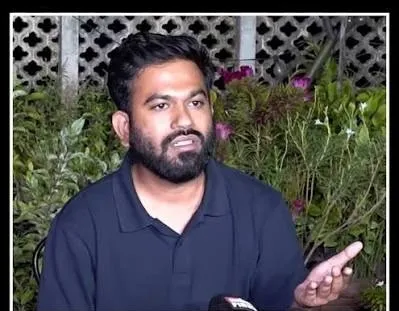
Abhijeet Dipke, founder of CJP, has been granted conditional bail after his second detention in a week. The ruling raises significant civil rights concerns.
3 min read
 Bail Basics
Supreme Court Directs Uttar Pradesh to Identify Undertrials Stuck in Jail Despite Bail Due to Financial Constraints
The Supreme Court has directed Uttar Pradesh to identify undertrial prisoners stuck in jail due to inability to meet bail conditions, addressing critical issues in the criminal justice system.
4 min read