Balancing Compassion and Justice: The Complex Dynamics of Medical Bail in India
This article examines the intricate dynamics of medical bail in India, highlighting the balance between the right to health and judicial accountability in the criminal justice system.
- By
- BailNow Research Team
- Published
- Reading time
- 6 min read
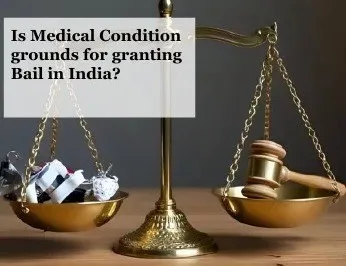
Examining the Intersection of Fundamental Right to Health, Humanitarian Jurisprudence, and Criminal Accountability
How Courts Evaluate Life-Threatening Conditions, Prison Healthcare Realities, and the Strict Thresholds of Temporary Release
By Legal Editor
New Delhi: October 21, 2026:
The criminal justice system is built on the pillars of deterrence, accountability, and the protection of society. However, in a constitutional democracy governed by the rule of law, these penal objectives must never transcend the fundamental boundaries of human dignity. Among the most critical instruments designed to uphold this balance is medical bail—a legal mechanism that allows an undertrial or convict suffering from severe, life-threatening, or debilitating health conditions to secure temporary or regular release for medical treatment.
Under Article 21 of the Constitution of India, the right to life and personal liberty is absolute and non-negotiable—encompassing implicitly the right to health and adequate medical care. When the state takes an individual into custody, it assumes an absolute duty of care. When the medical infrastructure within the prison system proves inadequate to manage critical, chronic, or terminal illnesses, the judiciary is often compelled to step in.
Yet, navigating medical bail applications remains a delicate legal tightrope. Courts must weigh humanitarian imperatives against the gravity of the alleged offense, the risk of the accused absconding, and concerns regarding evidence tampering. This comprehensive analysis explores the legal framework, landmark judicial precedents, systemic challenges, and evolving standards governing medical bail in India.
1. The Legal Foundation: Constitutional Rights and Statutory Provisions
Unlike standard regular bail or statutory default bail, "medical bail" is not a distinct standalone statutory section defined explicitly in criminal procedural codes. Rather, it is invoked through the broader discretionary powers granted under Section 480 and Section 483 of the Bharatiya Nagarik Suraksha Sanhita (BNSS)—historically governed by Sections 437 and 439 of the Code of Criminal Procedure (CrPC)—alongside extraordinary constitutional writs under Articles 226 and 32.
- The Duty of Custodial Care: Once an individual is incarcerated, they are entirely dependent on the state for their survival and health. Prolonged denial of specialized medical attention transforms pre-trial detention or imprisonment into cruel and unusual punishment, violating core constitutional guarantees.
- Proviso for Women, Sick, and Infirm Persons: Statutory frameworks historically carve out special exceptions for individuals who are sick or infirm, granting judicial magistrates and higher courts wider latitude to exercise discretion in releasing them.
- The Balancing Test: Courts do not grant medical bail merely because an accused falls ill. A high threshold of proof is required: the ailment must be chronic, life-threatening, or incapable of being managed adequately within the specialized medical units of authorized prison hospitals or government-empowered medical institutes.
2. Judicial Scrutiny and High-Profile Precedents
Over the decades, the Supreme Court of India and various High Courts have refined the parameters governing medical bail, shifting toward a more compassionate interpretation of Article 21 without entirely discounting the gravity of underlying charges.
+-------------------------------------------------------------------+
KEY PARAMETERS FOR MEDICAL BAIL
+-------------------------------------------------------------------+
| 1. Authenticity of Medical Condition |
| (Verified reports from government medical boards or AIIMS) |
+-------------------------------------------------------------------+
|
v
+-------------------------------------------------------------------+
| 2. Inadequacy of Prison Healthcare |
| (Proof that correctional facilities cannot manage the illness)|
+-------------------------------------------------------------------+
|
v
+-------------------------------------------------------------------+
| 3. Severity vs. Humanitarian Need |
| (Weighing offense gravity against imminent risk to life) |
+-------------------------------------------------------------------+
|
v
+-------------------------------------------------------------------+
| 4. Imposed Safeguards & Monitoring |
| (Conditions ensuring regular medical tracking and non-flight) |
+-------------------------------------------------------------------+
Landmark rulings have established that even when individuals face stringent statutory provisions—such as the Unlawful Activities Prevention Act (UAPA) or the Prevention of Money Laundering Act (PMLA), which feature tough "twin conditions" for bail—prolonged physical deterioration, advanced age, and terminal illnesses can override statutory bars. Courts have repeatedly emphasized that preservation of human life takes precedence over punitive detention, observing that a person must stay alive to stand trial.
3. Systemic Realities: Challenges in Prison Healthcare
The necessity for medical bail highlights deep structural deficiencies within India's correctional facilities. Overcrowding, severe shortages of specialized medical personnel, lack of advanced diagnostic tools, and bureaucratic delays in transferring sick inmates to civil hospitals often create life-threatening bottlenecks.
- Overstretched Prison Medical Units: Most district and central jails operate with basic dispensaries that are poorly equipped to handle complex oncology, cardiology, neurology, or psychiatric cases.
- The Burden of Certification: Securing medical bail often triggers legal contests over medical opinions. Courts increasingly rely on independent medical boards constituted by premier government institutions (such as AIIMS or state-run medical colleges) to provide unbiased assessments of an inmate's true health status, preventing fake or exaggerated medical claims.
- Post-Release Compliance: When medical bail is granted, courts frequently attach strict monitoring conditions—such as submitting regular treatment progress reports, restricting travel to specific hospital jurisdictions, and depositing passports—to ensure that liberty is utilized strictly for medical recovery rather than evading judicial accountability.
Frequently Asked Questions (FAQs)
Q1: Is "medical bail" a separate category of bail under Indian law?
A: No. Medical bail is not a separate statutory creation under criminal codes like the BNSS or CrPC. Instead, it is an application for regular or interim bail grounded in humanitarian and medical exigencies, evaluated using the court's wider discretionary powers under criminal procedure and constitutional writ jurisdiction.
Q2: What criteria do courts look for before granting medical bail?
A: Courts evaluate whether the applicant's illness is life-threatening, whether specialized treatment is unavailable within the prison's medical network, and whether the medical condition is verified by an authentic report from an independent government medical board. They also weigh the urgency against the flight risk, though extreme health risks can override typical procedural bars.
Q3: Can medical bail be granted to individuals accused of serious or economic offenses?
A: Yes, courts have occasionally granted medical bail in high-profile corruption, money laundering, or anti-terror cases, provided the medical condition is certified as critical and untreatable in custody. However, the threshold of proof is significantly higher, and courts often mandate strict surveillance or hospital custody rather than absolute freedom.
Q4: What happens after the medical emergency subsides?
A: Medical bail is frequently granted as interim bail for a fixed, time-bound duration. Once the prescribed medical treatment is completed or the health crisis stabilizes, the beneficiary is generally required to surrender back to judicial custody, unless regular bail has been independently secured on merits.
Conclusion
Medical bail stands at the vital crossroads where criminal jurisprudence meets human empathy. While the state possesses a legitimate interest in prosecuting offenses and holding accused individuals accountable, it cannot abdicate its constitutional obligation to preserve human life and dignity. By maintaining rigorous, transparent medical evaluations while exercising compassionate judicial discretion, the Indian legal system ensures that justice remains humane, balanced, and fundamentally aligned with the sanctity of Article 21.
Related articles
 Bail Basics
Supreme Court Directs Uttar Pradesh to Identify Undertrials Stuck in Jail Despite Bail Due to Financial Constraints
The Supreme Court has directed Uttar Pradesh to identify undertrial prisoners stuck in jail due to inability to meet bail conditions, addressing critical issues in the criminal justice system.
4 min read
 Bail Basics
News Snacks
This article delves into the pressing issues of undertrial prisoners in India, outlining systemic challenges and the vital role of initiatives like GNLU’s Nyay Abhigam in improving access to justice.
4 min read