Legal Strife in Parliament: Analyzing the NIA’s Stand and the Judiciary’s Balancing Act in the Engineer Rashid Terror Funding Case
The ongoing legal battle of Engineer Rashid highlights the tension between individual rights and national security under the UAPA, with critical implications for justice in India.
- By
- BailNow Research Team
- Published
- Reading time
- 4 min read
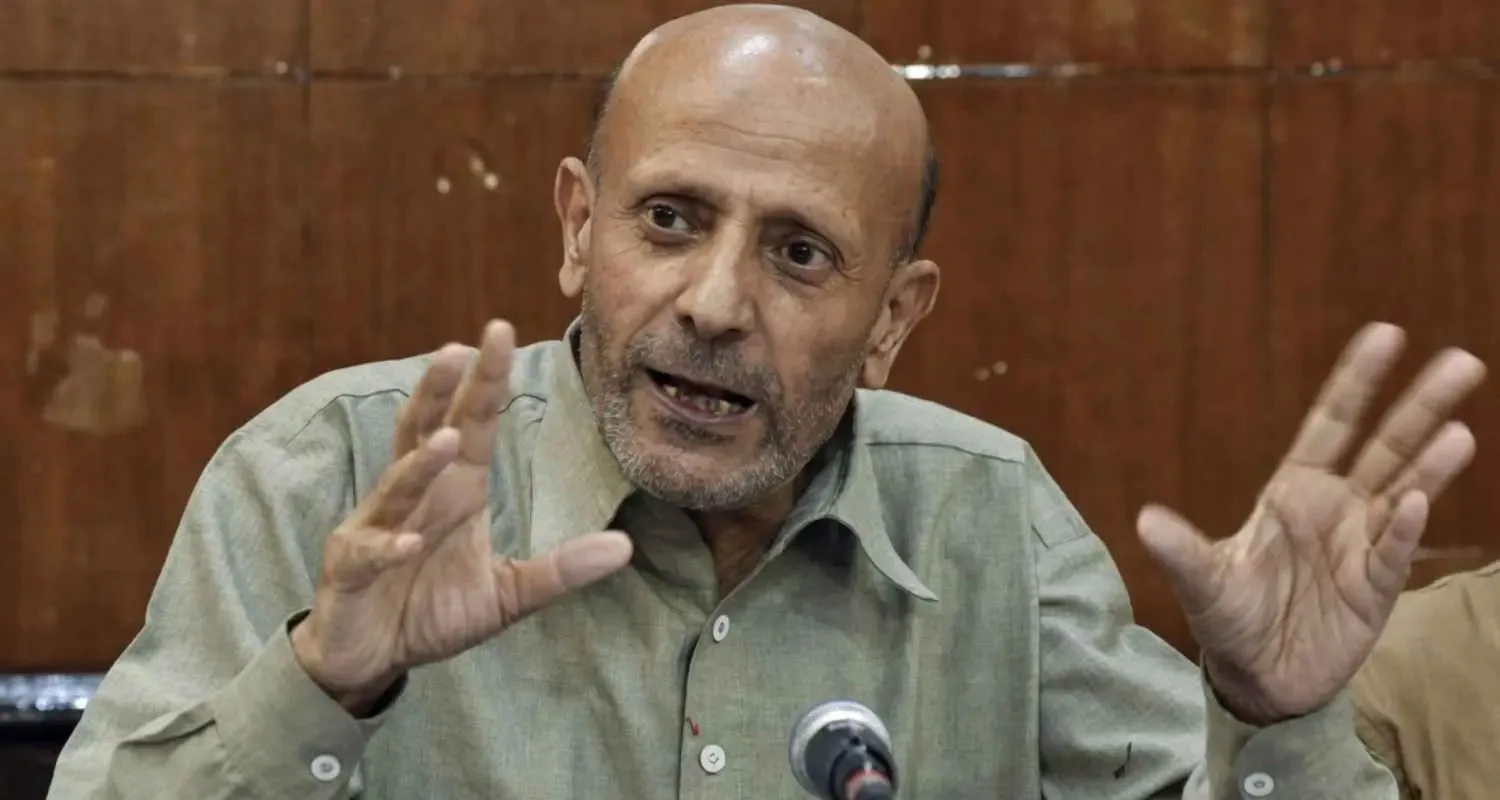
The Core Contentions: Witness Tampering Allegations Versus Lengthy Pre-Trial Incarceration
Statutory Thresholds Under the UAPA and the Constitutional Rights of an Elected Representative
By Legal Reporter
New Delhi: November 04, 2026:
The legal battle surrounding Baramulla Member of Parliament Abdul Rashid Sheikh, widely known as Engineer Rashid, has entered a critical phase. The National Investigation Agency (NIA) has strongly resisted his bail plea before the Delhi High Court, centering its arguments on allegations of witness tampering and the gravity of the charges under the stringent Unlawful Activities (Prevention) Act (UAPA). With a division bench comprising Justices Prathiba M Singh and Vikas Mahajan reserving its order, this case brings to the forefront a complex judicial dilemma: balancing individual liberty and the privileges of an elected legislator against national security imperatives and the integrity of a trial.
Analytical Overview of the NIA’s Arguments
Representing the probe agency, Senior Advocate Sidharth Luthra contended that granting bail would undermine the ongoing judicial process. The NIA presented testimonies indicating that at least three specific prosecution witnesses—including two protected witnesses—had allegedly been influenced and subsequently turned hostile. The agency argued that Engineer Rashid’s political stature and local influence give him the capacity to sway key depositions.
Furthermore, the prosecution pointed to historical contexts, alleging that Rashid had previously delivered speeches critical of India and aligned with anti-national sentiment. The prosecution’s narrative leans heavily on statutory restrictions under the UAPA, which places a heavy burden on the accused to disprove prima facie guilt before securing relief.
The Defence Response and Constitutional Dimensions
Countering these assertions, Rashid's legal counsel argued that the allegations of witness tampering are legally untenable. The defence emphasized that the individuals claimed to have been influenced were closely tied to him professionally for years—specifically working as his driver or personal assistants—and that Rashid has spent most of the relevant period locked behind bars in Delhi's Tihar Jail.
From a constitutional standpoint, the defence underlined Rashid's status as a democratically elected Member of Parliament who has sworn allegiance to the Constitution of India. Highlighting the protracted nature of the judicial proceedings, the defence noted that out of 240 listed witnesses, the trial has a long trajectory ahead, making prolonged pre-trial incarceration punitive rather than preventive.
Judicial Scrutiny and Broader Implications
The Delhi High Court's deliberations reflect a careful weighing of competing principles. The bench has explicitly noted that Rashid has already spent nearly seven years in custody since his initial arrest in 2019 following a 2017 terror funding case registered by the NIA.
The case raises critical questions regarding the administration of justice under anti-terror legislation. While the state's interest lies in safeguarding protected witnesses and prosecuting grave offences affecting state sovereignty, the judiciary must also guard against indefinite detention without trial, which strains the fundamental rights guaranteed under Article 21 of the Constitution. The forthcoming verdict will serve as a significant legal benchmark on how courts evaluate witness hostility versus custodial duration in high-profile security trials.
Frequently Asked Questions (FAQs)
1. Who is Engineer Rashid and why was he arrested? Abdul Rashid Sheikh, known as Engineer Rashid, is a Member of Parliament representing the Baramulla constituency in Jammu and Kashmir. He was arrested by the NIA in 2019 in connection with a 2017 terror funding case and faces charges under the Unlawful Activities (Prevention) Act (UAPA) and the Indian Penal Code for allegedly funnelling money to separatists and terror groups.
2. What are the primary grounds on which the NIA opposed his bail? The NIA opposed the bail plea by alleging that Engineer Rashid influenced prosecution witnesses, pointing out that at least two protected witnesses turned hostile during the trial. The agency argued that his political influence poses a risk to the integrity of ongoing proceedings.
3. What was the defence’s argument against the NIA's claims? Rashid's counsel rejected the tampering allegations, noting that he was incarcerated for most of the relevant timeline and that the individuals cited were long-standing personal staff members. They also emphasized his constitutional mandate as an elected MP and his prolonged detention of nearly seven years.
4. What stage is the legal proceeding currently at? The Delhi High Court bench comprising Justices Prathiba M Singh and Vikas Mahajan has concluded hearing the arguments from both sides and has officially reserved its order on the bail plea.
Related articles
 Case Analysis
News Snacks
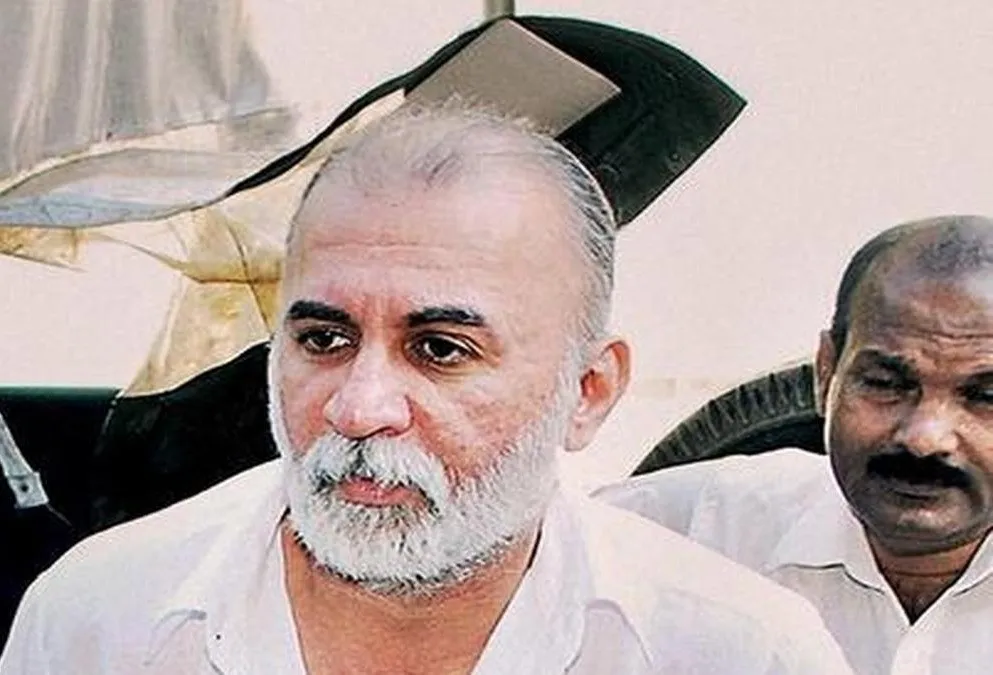
The Supreme Court is set to hear Tarun Tejpal's plea for interim bail, allowing him to join his family for Deepavali despite recent conviction. Stay updated on the ongoing legal battle.
4 min read
 Case Analysis
The Judicial Prism: How Professional Backgrounds Shape Bail Jurisprudence in the Delhi High Court
This article explores a key empirical study on how judicial backgrounds impact bail grant rates in the Delhi High Court, revealing significant implications for the Indian criminal justice system.
5 min read