News Snacks
This article discusses the Supreme Court's ruling on pre-trial detention, emphasizing the constitutional right to personal liberty and the need for timely trials. It highlights issues like judicial backlogs and systemic barriers affecting undertrial prisoners in India.
- By
- BailNow Research Team
- Published
- Reading time
- 4 min read
On this page
The Architecture of Injustice: How Prolonged Pre-Trial Custody Threatens Constitutional Liberty in India
Judicial Pushback Against Indefinite Detention
Reconciling State Prosecution Powers with the Imperative of Article 21
By Legal Reporter
New Delhi: October 23, 2026:
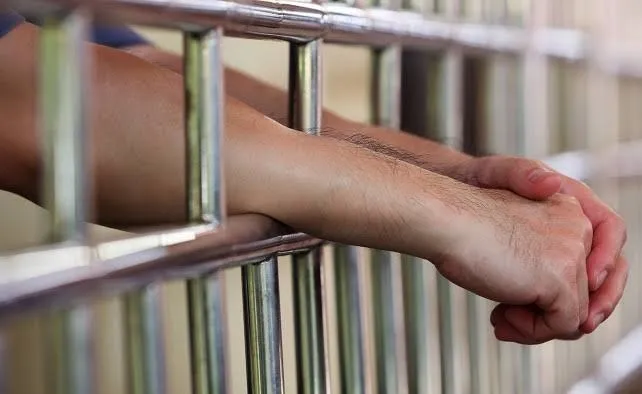
The Indian criminal justice system has long battled a crushing backlog, leaving tens of thousands of undertrial prisoners languishing behind bars for years without a formal conviction. Recently, the Supreme Court of India delivered a stern warning against this systemic anomaly, ruling that prolonged pre-trial detention cannot be permitted to degenerate into "punishment without trial".
In a robust reaffirmation of fundamental jurisprudence, a bench comprising Justice Dipankar Datta and Justice Sheel Nagu emphasized that the right to personal liberty and a speedy trial under Article 21 of the Constitution is paramount, superseding the routine knee-jerk impulses of custodial incarceration.
Analytical Overview: The Crisis of Undertrial Incarceration
The apex court’s observations arrived during the adjudication of a high-profile corruption and cheating case linked to irregularities in public works tenders. Granting bail to accused individuals who had spent over a year behind bars, the bench critically evaluated the structural bottlenecks plaguing trial courts. The case files spanned over 20,000 pages, involving multiple chargesheets, dozens of accused parties, and hundreds of prospective witnesses, meaning that actual trial proceedings had not even commenced.
This scenario is far from anomalous; it mirrors a broader systemic pattern across India where stringent special statutes—such as anti-terror frameworks or specialized financial crime legislations—impose rigorous statutory hurdles for securing bail. While these laws are designed to protect national and economic security, their operational reality often flips the foundational tenet of criminal jurisprudence: bail becomes the exception, and prolonged incarceration becomes the default penalty, enforced even before a single charge is legally proven.
Legal analysts point out several compounding factors driving this crisis:
- Evidentiary Overload: Investigations relying on massive digital footprints and voluminous paperwork often delay the framing of charges.
- Judicial Infrastructure Deficits: Severe staff shortages and heavy caseloads per judge stretch timelines from months to decades.
- Socio-Economic Disparities: Many undertrials remain in custody simply because they cannot afford competent legal representation or fulfill stringent financial sureties required for release.
The Constitutional Mandate vs. Statutory Rigidity
The Supreme Court’s intervention underscores a vital constitutional doctrine: the gravity of an alleged offense, no matter how serious, cannot indefinitely eclipse an individual's fundamental right to a speedy trial. When investigation agencies complete their data gathering and secure documentary evidence, the justification for continuous pre-trial custody diminishes significantly.
By establishing that the prospect of an unduly delayed trial warrants regular bail regardless of stringent statutory bars, the judiciary is pushing back against the normalization of pre-trial punishment. This judicial stance signals a necessary recalibration, urging lower courts and investigating bodies to respect human liberty and ensure that the machinery of the state does not trample constitutional protections under the weight of administrative delays.
Frequently Asked Questions (FAQs)
1. What did the Supreme Court rule regarding pre-trial detention?
The Supreme Court ruled that prolonged pre-trial incarceration cannot be allowed to degenerate into punishment without trial. It emphasized that an undertrial's right to personal liberty and a speedy trial under Article 21 of the Constitution must be fiercely protected.
2. Why do undertrials spend years in jail in India?
Primary reasons include massive court backlogs, systemic delays in framing charges, voluminous documentation requirements in complex white-collar or special-law cases, and the inability of impoverished defendants to afford legal representation or bail bonds.
3. Does the seriousness of a crime override the right to a speedy trial?
No. The Supreme Court has repeatedly clarified that while the gravity of allegations is a crucial consideration, it cannot by itself justify keeping an accused person in indefinite custody when the trial is unlikely to conclude in the foreseeable future.
4. What constitutional article guarantees the right to a speedy trial?
The right to a speedy trial and personal liberty is an intrinsic component of Article 21 of the Constitution of India, which guarantees that no person shall be deprived of their life or personal liberty except according to procedure established by law.
Related articles
 Bail Basics
BailNow.in News Snacks
The Supreme Court ruled that judges must not impose personal morality in bail decisions. This judgment emphasizes legal parameters and strengthens judicial neutrality.
3 min read
 Bail Basics
Supreme Court Directs Uttar Pradesh to Identify Undertrials Stuck in Jail Despite Bail Due to Financial Constraints
The Supreme Court has directed Uttar Pradesh to identify undertrial prisoners stuck in jail due to inability to meet bail conditions, addressing critical issues in the criminal justice system.
4 min read