CBI Opposes Defence CEO Ashish Kansal’s Bail in ₹500 Crore Ammunition Deal Bribery Case
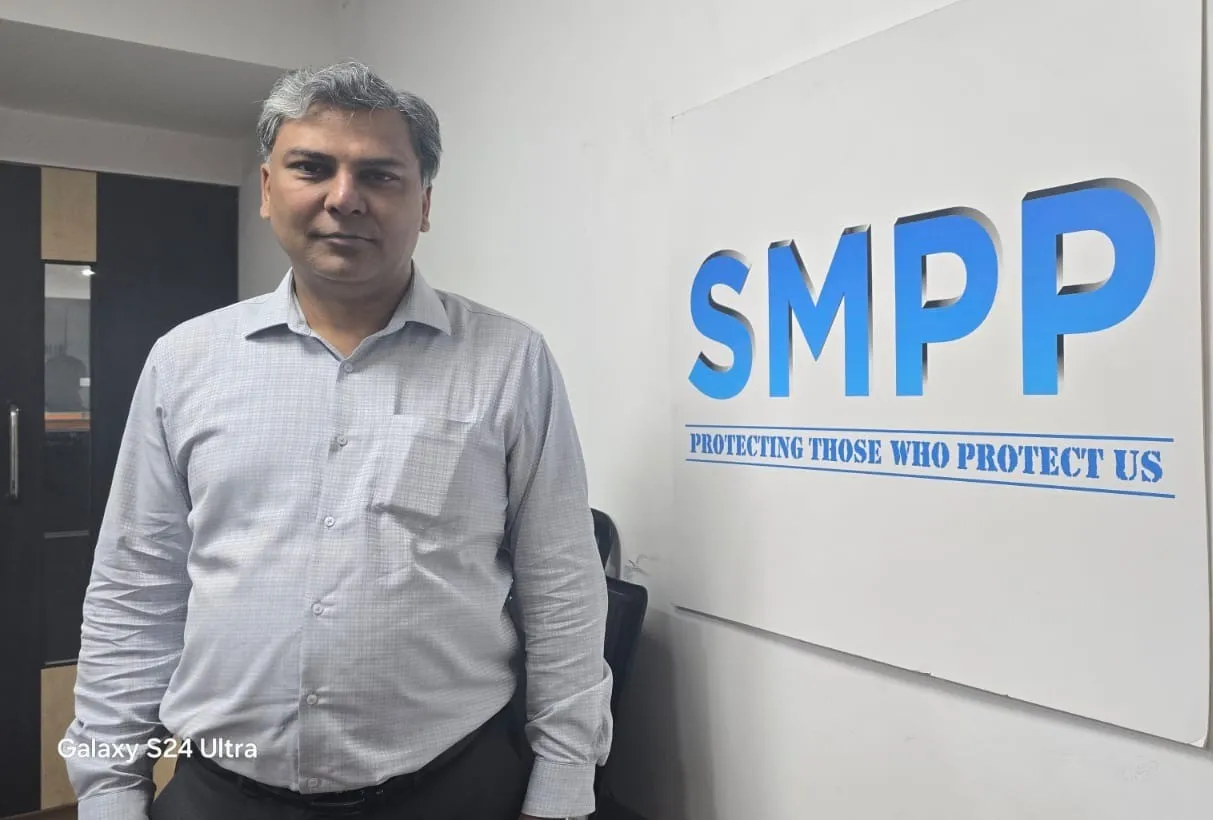
The CBI court has denied bail to Ashish Kansal, CEO of SMPP Limited, in a major ₹500-crore defence bribery case, emphasizing the serious implications for national security.
- By
- BailNow Research Team
- Published
- Reading time
- 6 min read
On this page
Special Court Flags Cash Recoveries, Secret Information Leaks, and Suspicious Deliveries Linked to Munitions India Limited
Investigation Uncovers Hidden Digital Footprints, Hotel Drop-offs, and Coded Couriers Involving Private Defence Manufacturer SMPP Limited
By Legal Editor
New Delhi: November 13, 2026:
The legal noose has tightened further around high-profile corporate figures in India's booming defence manufacturing ecosystem. A special Central Bureau of Investigation (CBI) court in Pune officially rejected the bail application of Ashish Shivchand Kansal, the Chief Executive Officer (CEO) and director-promoter of private defence manufacturer SMPP Limited.
The high-stakes corruption case centers around a massive ₹500-crore ammunition supply contract awarded to SMPP Limited by Munitions India Limited (MIL)—a premier public sector undertaking (PSU) functioning under the Ministry of Defence. Federal investigators have alleged a complex web of financial kickbacks, unauthorized leaks of sensitive strategic defence information, cash-filled bags delivered through couriers, and deleted digital communication trails.
With national security implications drawing intense public scrutiny, the court’s decision to deny relief to Kansal highlights the judiciary's strict stance on white-collar corruption within defence procurement channels.
The Core Allegations: How the ₹500-Crore Deal Came Under CBI Scanner
The Central Bureau of Investigation registered the high-profile corruption case after intelligence inputs and preliminary probes suggested deep-rooted illicit coordination between private corporate entities and top-tier public sector executives.
At the center of the conspiracy is Anil Kumar, a senior executive director with Munitions India Limited (MIL), who was arrested alongside Kansal. According to the CBI’s First Information Report (FIR) and subsequent submissions before the Pune special court:
- The Lucrative Contract: SMPP Limited secured a major ₹500-crore contract spanning over a year for supplying critical ammunition to MIL.
- The Quid Pro Quo: Investigators claim that instead of a transparent procurement process, executive influence was peddled in exchange for regular kickbacks. Crucial, classified details concerning defence production schedules, pricing structures, and tender specifications were allegedly leaked to the private manufacturer.
- Compromising National Interests: Federal prosecutors argued that the unauthorized disclosure of strategic defence documentation directly undermines national security interests, public safety, and the fair playing field mandated for public procurements.
The CBI's Evidence: Cash Deliveries, Hotel Drop-offs, and Coded Chats
Opposing Kansal’s freedom, the CBI presented detailed documentation to Special Judge RR Mendhe, pointing to physical evidence and digital trails linking the corporate head to multiple corrupt transactions:
1. The Pune Residence Seizure (₹1.67 Crore)
The primary catalyst for the arrests occurred when anti-corruption units raided the Pune residential premises of MIL executive Anil Kumar, unearthing ₹1.67 crore in unaccounted cash. Total cash recoveries across related locations during the initial sweep crossed ₹2.23 crore. Investigators claim this cache represents installment payments for favours rendered regarding the ammunition contract.
- CBI’s Submissions: Hotel Meetings, Digital Footprints, and Multiple Deals
Opposing Kansal’s release on bail, the investigative agency presented a robust chain of circumstantial and digital evidence designed to establish systemic corruption rather than a single transactional lapse.
The Hotel Conrad Trail
In its detailed counter-affidavit filed before the special CBI court in Pune, the agency cited the corroborative statement of a key witness.
- On 25 August, the witness was reportedly instructed by Anil Kumar to pick up "certain packets" from Pune's upscale Hotel Conrad.
- Minutes after receiving these physical instructions from the PSU official, the witness allegedly received a WhatsApp voice call from a mobile number saved under the contact name 'Ashish Kansal'.
- According to the witness testimony, the caller reiterated the exact same pickup instructions, directly linking the private defence CEO to the logistics of the cash delivery.
2. Expanding Scope Beyond a Single Tender
While initial investigations focused on specific ammunition contracts, the CBI told the court that the nexus extends to multiple deals. Investigators have retrieved extensive WhatsApp logs, call detail records (CDRs), and digital documents indicating prolonged communication between corporate executives and state enterprise officials. The agency argued that granting bail at this crucial juncture could allow key accused individuals to tamper with electronic evidence or influence witnesses who are still under protection or undergoing questioning.
The Stakes: SMPP Limited and Munitions India Limited
To understand the gravity of the case, it is essential to examine the entities involved:
- SMPP Limited: A prominent private manufacturer in India's defence sector, known for supplying specialized equipment such as bullet-resistant jackets, helmets, and ammunition components to the Indian Armed Forces and paramilitary units. Under Ashish Kansal's leadership, the company has positioned itself as a major private supplier in the domestic defence manufacturing ecosystem.
- Munitions India Limited (MIL): One of the seven new defence PSUs restructured from the erstwhile Ordnance Factory Board (OFB). MIL specializes in the manufacture of ammunition and explosives for the military, making its internal procurement decisions and tender evaluations matters of critical national security.
When top executives from private manufacturing firms allegedly collude with high-ranking directors of defence PSUs, it compromises the level playing field mandated by the Ministry of Defence and poses severe risks to national security through the potential leakage of sensitive technical specifications.
Legal and Regulatory Implications for India's Defence Sector
The special CBI court’s decision to reject Ashish Kansal’s bail underscores the judiciary’s hardline stance on corruption involving public servants and corporate leaders in strategic sectors. Under the Prevention of Corruption Act and relevant sections of the Bharatiya Nyaya Sanhita (BNS), both corporate bribery and leaking classified official secrets carry severe penal consequences.
Legal experts note that economic offences of this magnitude—affecting strategic state contracts worth hundreds of crores—rarely see early bail if the investigative agency demonstrates ongoing trails of money laundering, digital tampering risks, or uncooperative behavior. For India’s burgeoning private defence manufacturing sector, the case serves as a cautionary tale about compliance, corporate governance, and ethical corporate lobbying.
Frequently Asked Questions (FAQs)
1. Who is Ashish Kansal?
Ashish Kansal is the CEO and director-promoter of SMPP Limited, a prominent private-sector defence manufacturing company in India.
2. Why was Ashish Kansal arrested by the CBI?
Kansal was arrested alongside a senior Munitions India Limited (MIL) official following an investigation into alleged bribery, kickbacks, and the leakage of sensitive information concerning a ₹500-crore ammunition deal.
3. What evidence has the CBI presented against the defence CEO?
The CBI has cited the recovery of ₹1.67 crore in cash from a PSU official's Pune residence, witness statements detailing pickups from Pune's Hotel Conrad, and WhatsApp chat logs linking Kansal directly to the logistics of the payoffs.
4. What is Munitions India Limited (MIL)?
Munitions India Limited is a Defence Public Sector Undertaking (PSU) functioning under the Ministry of Defence, specializing in the production of ammunition and explosives for India's armed forces.
5. What happens next in the legal proceedings?
With the special CBI court rejecting the bail plea, Ashish Kansal will remain in judicial custody while the CBI continues its deeper financial and digital forensic investigation into multiple defence deals.
Related articles
 Bail Research
News Snacks
This article delves into the Karnataka High Court's ruling granting interim bail to Pradoosh S. Rao in the Renukaswamy murder case, highlighting the delicate balance between humanitarian concerns and trial integrity.
4 min read
 Bail Research
News Snacks
The Supreme Court of India transfers Mohammad Azam Khan's bail plea to the Allahabad High Court, spotlighting critical legal debates surrounding the PMLA and political implications in Uttar Pradesh.
5 min read