'You Were Never in Jail': Kerala High Court's Scathing Probe Order Into Ex-Top Cop Tomin Thachankary's Hospital Stay
Kerala High Court scrutinizes former DGP Tomin Thachankary's hospitalisation during custody, questioning elite privileges and bail conditions in a landmark case.
- By
- BailNow Research Team
- Published
- Reading time
- 4 min read
On this page
Analytical Deep-Dive: How a Convicted Former DGP's Bid to Ease Bail Conditions for Overseas Employment Sparked Judicial Scrutiny Over Prison Hospital Privileges
By Legal Reporter
New Delhi: November 14, 2026:
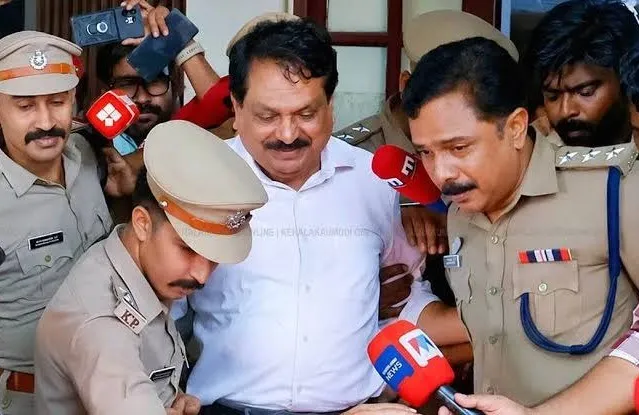
The intersection of judicial accountability, elite privilege, and prison administration came under intense legal spotlight as the Kerala High Court delivered sharp, unsparing remarks regarding former Director General of Police (DGP) Tomin J. Thachankary.
Presiding over the high-profile proceedings, Justice A. Badharudeen questioned the authenticity of the former top cop’s continuous hospitalisation during his custody term. The court's oral observations underscore a growing judicial impatience with systemic loopholes that allegedly allow high-ranking convicts to bypass regular incarceration.
The Genesis of the Controversy: Corruption Conviction and Bail Plea
The legal battle stems from disproportionate assets case wherein a special vigilance court in Kottayam convicted Thachankary, sentencing him to four years of rigorous imprisonment alongside a fine of ₹30.84 lakh. Following his conviction on September 17, Thachankary spent roughly four weeks in custody before the Kerala High Court suspended his sentence pending appeal.
However, release came with specific riders—chief among them being a strict restriction preventing him from leaving India without prior judicial clearance. Seeking to resume overseas employment as an operations manager with a business group in Sharjah, Thachankary moved the High Court for a modification of these bail terms.
This petition opened a Pandora's box. During the hearings, Thachankary’s legal counsel cited acute health complications, including breathing difficulties and pre-existing medical concerns, to justify both his past status and travel needs. This defence triggered sharp counter-interrogations from the bench.
'Camped Out in the Hospital': Bench Questions Institutional Collusion
The core of the High Court's critique targets the glaring contradiction between Thachankary’s medical defence and his employment aspirations. Records presented before the court revealed that upon entering the central prison, the former DGP was directly admitted to the prison hospital block, remaining there until his release on bail.
Justice Badharudeen did not mince words, remarking:
"You have not been in jail. You camped out and went to the hospital... Please apply common sense. He was not even sent to a cell; he saw a cell when he inspected an accused when he was a DGP."
The bench further stressed that this matter transcends a routine legal technicality, voicing what an "ordinary citizen of India" would perceive: if an individual’s medical profile is severe enough to warrant continuous hospital isolation during a prison term, how can that same individual claim robust health sufficient for international corporate travel and demanding overseas duties?
Confronted with relentless judicial scrutiny, Thachankary's defence counsel attempted to withdraw the plea seeking relaxation of travel terms. Nevertheless, the court refused to let the matter rest quietly. Declaring that withdrawal of the application would not erase institutional questions, the bench-initiated steps for a comprehensive medical board examination and signalled an official inquiry into the conduct of prison authorities, jail superintendents, and medical personnel.
Frequently Asked Questions (FAQs)
1. Why did former DGP Tomin J. Thachankary approach the Kerala High Court?
Thachankary filed a plea seeking a modification of his bail conditions. Specifically, he wanted the court to relax a travel restriction so he could travel to Dubai and Sharjah to resume employment.
2. What was the basis of Thachankary's conviction?
He was convicted by a vigilance special court in a disproportionate assets case and sentenced to four years of rigorous imprisonment along with a ₹30.84 lakh fine. The Kerala High Court later suspended this sentence pending appeal.
3. What caught the High Court's attention regarding his time in custody?
The court noted that instead of serving time in a standard prison cell, Thachankary spent his entire custodial period admitted to the prison hospital. The bench questioned whether this hospitalisation was a genuine medical necessity or a systemic loophole exploited to avoid standard imprisonment.
4. What actions has the court ordered next?
Despite the petitioner's attempt to withdraw the travel relaxation plea, the High Court maintained its stance, calling for a thorough medical board examination to verify his actual health status and directing an inquiry into potential collusion by prison and medical officials.
Related articles
 Case Analysis
News Snacks
The family of the crash victim challenges the Kerala High Court's bail decision for the minor driver, raising concerns about evidence tampering and justice.
4 min read
 Case Analysis
News Snacks
This article explores the Kerala High Court's scrutiny of Tomin J Thachankary's bail plea, highlighting contradictions in his health claims while incarcerated. It discusses the implications for judicial integrity in cases involving white-collar crime and medical privileges.
6 min read