News Snacks
This article delves into the ₹842 crore Delhi Medical Procurement Scandal, discussing Rajiv Rangila's bail denial and the systemic vulnerabilities in public healthcare. It highlights the judicial stance on evidence tampering and ongoing investigations.
- By
- BailNow Research Team
- Published
- Reading time
- 4 min read
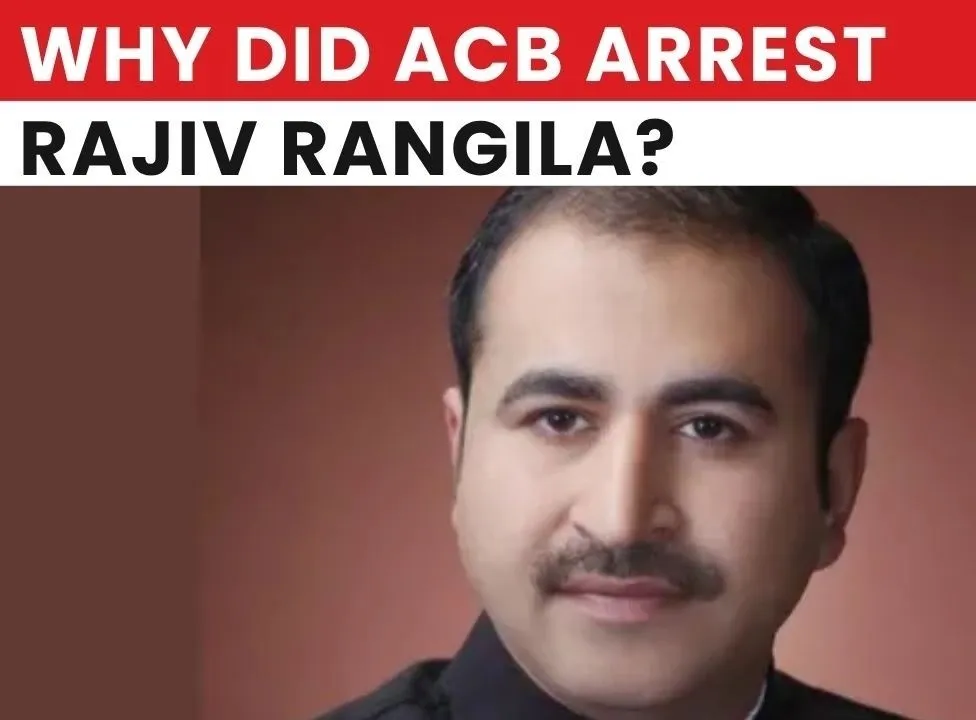
Anatomy of a Healthcare Heist: Analytical Insights into the ₹842-Crore Delhi Medical Procurement Scandal
Systemic Vulnerabilities and Tender Manipulation: How Collusion Paralysed Public Healthcare Infrastructure
Flight, Forensics, and Legal Accountability: The Judicial Stance on Evidence Destruction and Bail Denial
By Legal Reporter
New Delhi: November 05, 2026
The recent denial of bail by a Delhi court to Rajiv Rangila, the alleged mastermind behind the massive ₹842-crore Central Procurement Agency (CPA) medical procurement scam, sheds light on deep-seated institutional vulnerabilities within public healthcare administration. Investigated by the Delhi government’s Anti-Corruption Branch (ACB), the case moves beyond a simple instance of financial fraud, presenting a textbook study of how administrative capture, systematic tender manipulation, and digital evidence destruction can cripple critical public services.
Anatomy of the Scam: Collusion and Procurement Distortion
The core of the investigation revolves around the CPA, the nodal agency tasked with procuring and distributing essential medicines, vaccines, and medical equipment to Delhi government hospitals and healthcare facilities. According to the ACB, the scam resulted in a massive wrongful loss of ₹842 crore to the exchequer, severely constraining public healthcare delivery.
The investigative findings point towards a sophisticated nexus between private pharmaceutical interests and public servants. Tenders were allegedly custom-tailored to favour firms owned or controlled by Rangila. Investigators uncovered that technical evaluation sheets were manipulated and subsequently approved by compromised officials within hours, bypassing standard procedural checks. Furthermore, operational prioritization was flagrantly subverted: bills submitted by Rangila’s beneficiary firms were cleared within a day or two, whereas genuine, competing suppliers faced prolonged payment delays stretching over two years.
This financial channelling was compounded by structural intimidation. Official witnesses testified that accused individuals coerced public servants into complying with unauthorized directives, routinely bypassing administrative hierarchies. The disappearance of 10 crucial procurement files further underscores the deliberate obstruction of internal oversight mechanisms.
Flight Risk, Forensic Hurdles, and Judicial Pragmatism
Special Judge Vidya Prakash of the Rouse Avenue Court rejected Rangila’s bail plea, anchoring the decision heavily on his post-offence conduct and the risk of tampering with digital evidence. Records indicate that Rangila fled India for the United States on June 26, 2026, prompting the issuance of Non-Bailable Warrants and a Look Out Circular before his eventual return and arrest on September 24.
From an analytical standpoint, the court's emphasis on WhatsApp message deletions highlights a critical challenge in modern financial crime investigation: ephemeral data destruction. Forensic analysis of seized hard disks, desktops, and mobile devices remains ongoing. Investigators are currently mapping massive money trails—tracing approximately ₹839 crore in government disbursements routed through five principal beneficiary firms and subsequently funnelled through numerous shadow bank accounts before cash withdrawal. Given the involvement of high-ranking public officials—including former heads of office and deputy controllers of accounts—the judicial decision reflects a strict approach toward white-collar crimes that directly jeopardize public welfare.
Frequently Asked Questions (FAQs)
Q1: What is the total estimated financial loss in the Delhi medical procurement scam?
- The Anti-Corruption Branch (ACB) has estimated the total loss to the government exchequer at approximately ₹842 crore.
Q2: Who is Rajiv Rangila, and what role did he play in the case?
- Rajiv Rangila is a pharmaceutical trader identified by investigators as the primary mastermind. He allegedly collaborated with manufacturers to fix supply rates, manipulate tender criteria, and route payments through shell and beneficiary firms while utilizing cash kickbacks.
Q3: Why did the court deny bail to the accused?
- The court denied bail citing serious allegations of evidence destruction (including deleted WhatsApp chats), his previous attempt to evade law enforcement by fleeing to the United States, intimidation of official witnesses, and the ongoing nature of forensic and financial investigations.
Q4: Which public agencies and institutions are primarily involved in the investigation?
- The investigation is led by the Delhi government’s Anti-Corruption Branch (ACB), focusing on transactions and administrative lapses within the Central Procurement Agency (CPA) and related health directorates.
Related articles
 Bail Research
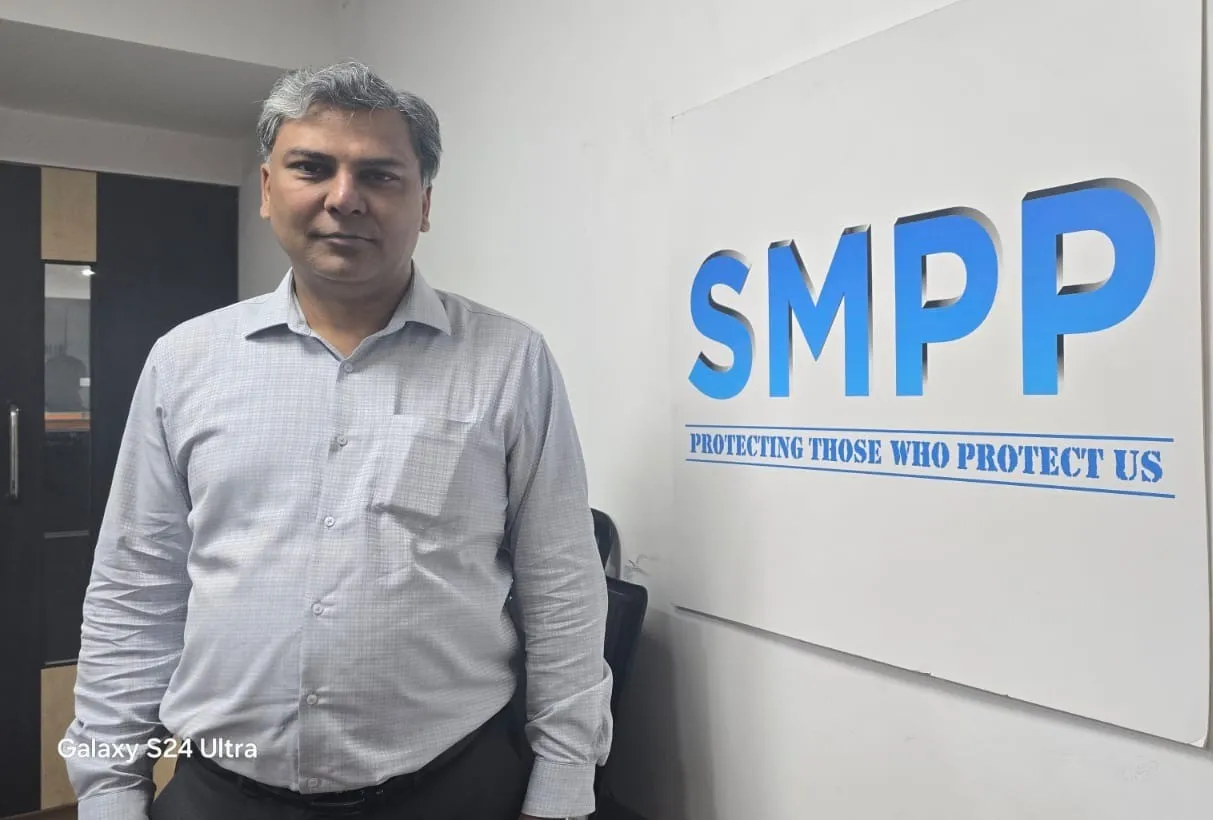
CBI Opposes Defence CEO Ashish Kansal’s Bail in ₹500 Crore Ammunition Deal Bribery Case
The CBI court has denied bail to Ashish Kansal, CEO of SMPP Limited, in a major ₹500-crore defence bribery case, emphasizing the serious implications for national security.
6 min read
 Bail Research
News Snacks
This article discusses a case where local bar boycotts prevented the execution of a Supreme Court bail order, highlighting the ramifications for justice and individual rights.
4 min read