News Snacks
A Kerala court denied bail to four accused in the Kochi Mini Cooper crash resulting in three deaths. The case underscores serious concerns over drunk driving and witness tampering risks.
- By
- BailNow Research Team
- Published
- Reading time
- 3 min read
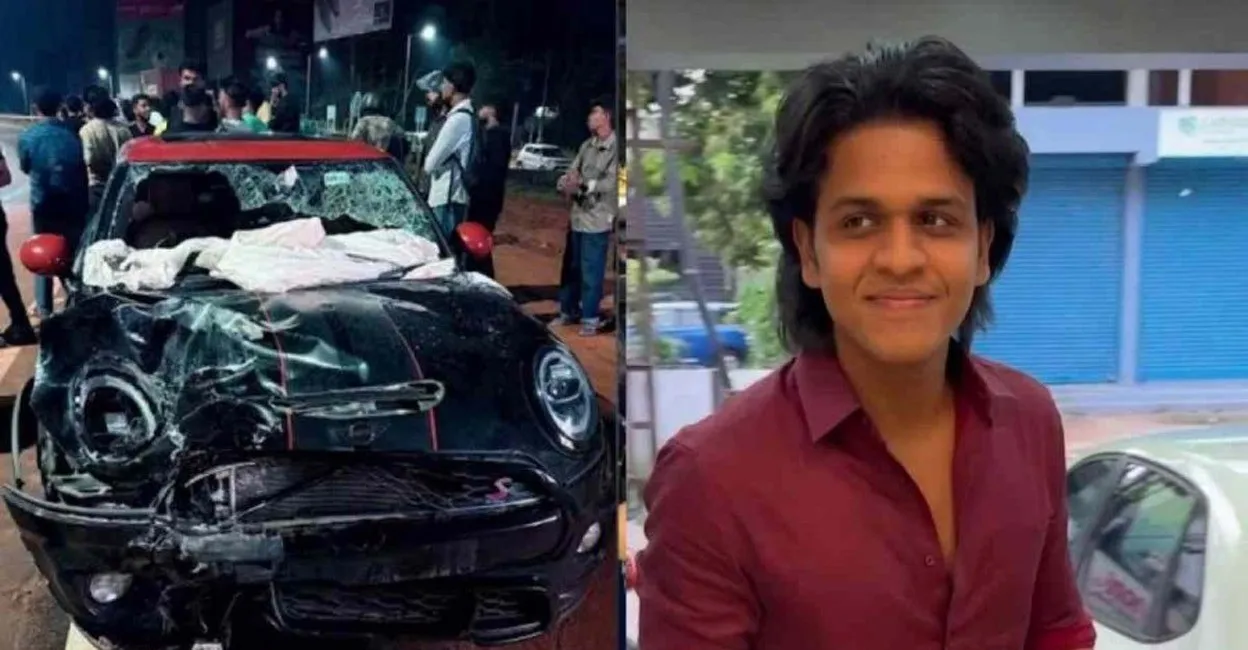
Kochi Mini Cooper Crash: Court Denies Bail to Four Accused in Fatal Drunk Driving Case
Prime accused Suhail Sajeev tested with extreme alcohol levels; reckless speeding led to three deaths near Cochin Airport.
Court cites risk of witness tampering and ongoing investigation; co-passengers charged with abetment remain in custody.
By Legal Reporter
New Delhi: October 18, 2026:
A Kerala court has denied bail to all four accused in the Nedumbassery Mini Cooper crash, citing reckless driving under the influence of alcohol that killed three young victims. The prime accused, 19-year-old Suhail Sajeev, was found with blood alcohol levels more than five times the legal limit, while his co-passengers face charges of abetment.
Case Background
- Date of incident: October 11, 2026, early morning hours.
- Location: Airport-Athani Road, Nedumbassery, near Cochin International Airport.
- Victims: Gopika (22), Iyas (21), and Devika (21), all part-time workers at a Thrikkakara craft shop.
- Accused:
- Suhail Sajeev (19): Driver, charged with culpable homicide not amounting to murder.
- Ninav (19), Joel (20), Ameer (20): Passengers, charged with abetment.
Court Observations
- Alcohol levels: Suhail’s blood alcohol concentration was 161 mg/100 ml and urine showed 230 mg/100 ml, far exceeding the legal limit of 30 mg/100 ml.
- Speeding: Vehicle allegedly driven at 100+ km/h in a zone restricted to 60–70 km/h.
- Risk factors: Court noted the accused may influence witnesses or tamper with evidence if released.
- Defence arguments: Claimed scooter riders violated traffic rules (triple riding, no helmets) and questioned witness credibility. Court rejected these claims, stressing the severity of fatalities.
Public and Political Impact
- Public protests: Angamali residents staged demonstrations demanding strict action.
- Political angle: Allegations surfaced of attempts by local leaders to shield the accused, though Kerala’s Home Minister dismissed these as baseless.
- Administrative response:
- Motor Vehicle Department initiated suspension of Suhail’s driving license.
- Excise Department issued notices to bars that served liquor to underage individuals.
Key Legal Charges
- Sections invoked: Bharatiya Nyaya Sanhita (BNS) provisions on culpable homicide, rash driving, and abetment.
- Next steps: Defense plans to appeal in Sessions Court; investigation continues with Event Data Recorder (EDR) analysis.
FAQs
Q1: Why was bail denied?
Because of high intoxication levels, reckless speeding, and risk of witness tampering.
Q2: What charges does Suhail face?
Culpable homicide not amounting to murder, along with violations under traffic and criminal law.
Q3: What about the co-passengers?
They face charges of abetment, as they allegedly encouraged Suhail despite knowing he was drunk.
Q4: What evidence supports the prosecution?
Medical reports, CCTV footage, and vehicle Event Data Recorder data.
Q5: What’s next in the case?
The defence will appeal in Sessions Court, while police continue forensic and witness investigations.
This case highlights Kerala’s growing concern over reckless driving and underage drinking, with courts taking a firm stance against bail in fatal drunk-driving incidents.
Related articles
 Case Analysis
News Snacks
The Allahabad High Court recently denied post-conviction bail to key figures in a high-profile conversion case while granting it to eight others, highlighting the differentiation of individual roles and charges involved.
5 min read
 Case Analysis
News Snacks
The Orissa High Court has denied bail to three police officers linked to the custodial death of Akash Mahuria, emphasizing witness safety and the seriousness of allegations. This decision underlines the judiciary’s commitment to combating custodial violence.
3 min read