News Snacks
The Orissa High Court has denied bail to three police officers linked to the custodial death of Akash Mahuria, emphasizing witness safety and the seriousness of allegations. This decision underlines the judiciary’s commitment to combating custodial violence.
- By
- BailNow Research Team
- Published
- Reading time
- 3 min read
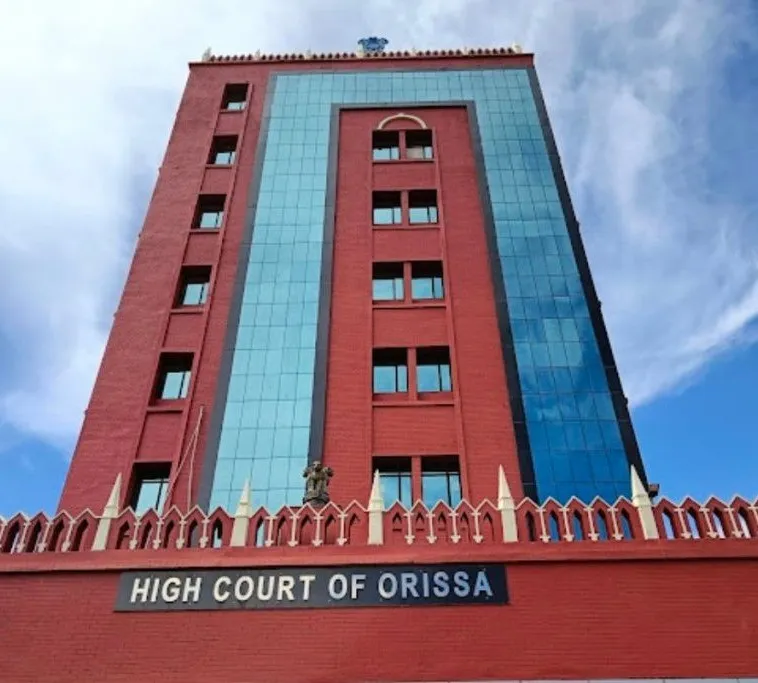
Orissa High Court Rejects Bail Pleas of Police Officers in Custodial Death Case
Court cites 24 injury marks on victim’s body; custodial death linked to alleged police assault
Concerns over witness safety and judicial integrity lead to denial of bail
By Legal Reporter
New Delhi: October 15, 2026:
The Orissa High Court has denied bail to three police officers accused in the 2017 custodial death of Akash Mahuria, citing the seriousness of the allegations, medical evidence showing 24 injury marks on the victim’s body, and concerns that witnesses could be influenced if the accused were released. Justice V. Narasingh passed the order on October 14, 2026, keeping the officers in custody while directing the trial court to expedite proceedings.
Case Background
- Victim: Akash Mahuria, arrested in January 2017 in Jeypore, Koraput district.
- Initial Police Claim: Death caused by a motorcycle accident while evading arrest.
- Family Allegation: Akash was beaten in custody, leading to his death.
- Human Rights Commission: Odisha Human Rights Commission recommended a Crime Branch investigation.
- Accused Officers:
- Constable Devendra Kumar Paika
- Assistant Sub-Inspector Krushna Chandra Behera
- Sub-Inspector Shibaprasad Sahu
- Custody Timeline: Officers have been in custody since August 29, 2025.
Court’s Reasoning
- Medical Evidence: Post-mortem revealed 24 injury marks on Akash’s body.
- Witness Safety: Court feared witnesses could be intimidated or influenced if bail was granted.
- Legal Principles: While bail is generally the rule, the court emphasized that gravity of allegations and risk to justice justified continued detention.
- Future Relief: Accused may reapply for bail after key witness testimonies are recorded.
Legal Context
- Charges: Culpable homicide, destruction of evidence, and common intention under IPC and BNSS provisions.
- Judicial Precedent: Courts balance the principle of “bail is the rule, jail is the exception” against seriousness of crime and risk of obstruction of justice.
- Trial Court Direction: Ordered to expedite trial to ensure timely justice.
FAQs
Q1: Why was bail denied?
Because of the seriousness of custodial death allegations, medical evidence of multiple injuries, and risk of witness tampering.
Q2: Can the officers apply for bail again?
Yes, after key witnesses are examined, they may reapply before the trial court.
Q3: What is custodial death?
It refers to the death of a person while in police or judicial custody, often raising concerns of human rights violations.
Q4: What role did the Human Rights Commission play?
It recommended a Crime Branch probe, ensuring independent investigation into the custodial death.
Q5: What does this case signify?
It highlights judicial commitment to accountability in law enforcement and protection of witness integrity in sensitive cases.
Conclusion
The Orissa High Court’s decision to deny bail underscores the judiciary’s firm stance against custodial violence and its emphasis on protecting witnesses. The case of Akash Mahuria has become a symbol of accountability in policing, with the court ensuring that justice is not compromised by premature release of the accused officers.
Related articles
 Case Analysis
News Snacks
The Allahabad High Court recently denied post-conviction bail to key figures in a high-profile conversion case while granting it to eight others, highlighting the differentiation of individual roles and charges involved.
5 min read
 Case Analysis
News Snacks
A Kerala court denied bail to four accused in the Kochi Mini Cooper crash resulting in three deaths. The case underscores serious concerns over drunk driving and witness tampering risks.
3 min read